

Fashion has always been influenced by culture, celebrities, and media. However, in recent years, social media has dramatically transformed how fashion trends emerge, spread, and evolve. Platforms like Instagram, TikTok, and Pinterest have become powerful tools that shape the fashion industry. Today, trends no longer take months to appear on the streets; they can go viral in just a few days.
Social media has made fashion more accessible, interactive, and fast-moving than ever before. From influencers to everyday users, everyone now plays a role in defining what is fashionable.
The Rise of Fashion Influencers
One of the biggest ways social media has changed fashion is through the rise of influencers. Fashion influencers share outfit ideas, styling tips, and brand collaborations with millions of followers. Their posts often inspire people to try new styles and experiment with different looks.
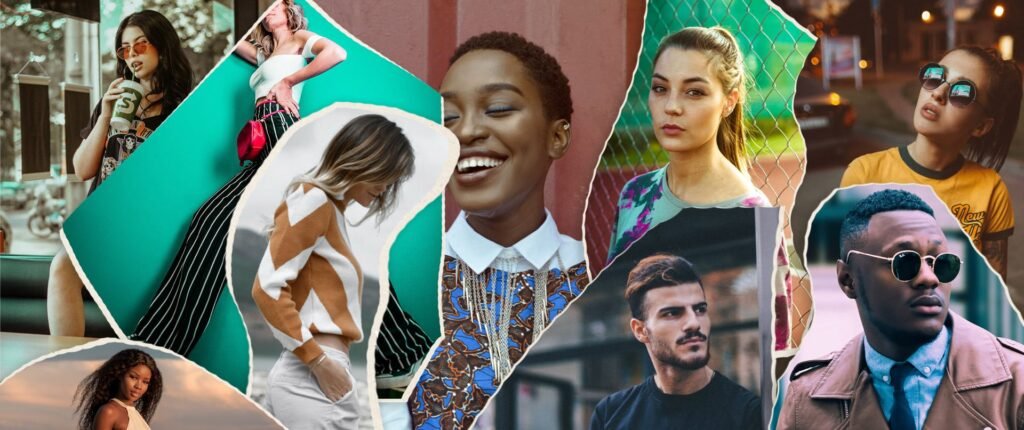
Unlike traditional celebrities, influencers often appear more relatable to their audience. Followers trust their recommendations because they present fashion in a realistic and everyday context. As a result, many brands now collaborate with influencers to promote their clothing and accessories.
A single post or video from a popular influencer can quickly turn a product into a trending item.
Faster Trend Cycles
Before social media, fashion trends usually developed slowly through fashion shows, magazines, and designer collections. Today, trends can emerge and spread globally within hours.
Short-form video platforms, especially TikTok, play a major role in accelerating trends. Users frequently create viral challenges, outfit transitions, and styling videos that introduce new fashion ideas.
For example, a particular clothing style, color, or accessory can suddenly become popular after going viral online. As more users recreate the trend, it spreads rapidly across the internet and eventually into everyday fashion.
This fast-paced cycle has made fashion more dynamic and constantly evolving.
Increased Accessibility to Fashion Inspiration
Social media platforms provide endless fashion inspiration for users around the world. Through apps like Pinterest and Instagram, people can easily explore outfit ideas, styling guides, and fashion trends from different cultures and countries.
This exposure encourages creativity and experimentation. Users can mix global styles with their personal preferences to create unique looks.
Fashion is no longer limited to high-end runway shows or expensive magazines. Anyone with a smartphone can access thousands of outfit ideas within seconds.
The Power of User-Generated Content
Another major shift in the fashion industry is the importance of user-generated content. Everyday users now share their personal styles, shopping hauls, and fashion tips online.

When brands encourage customers to post photos wearing their products, it creates a sense of community and authenticity. Potential buyers often trust real customer photos more than traditional advertisements.
This shift allows smaller brands and independent designers to gain recognition without massive marketing budgets. If their designs resonate with users, they can quickly gain popularity through social sharing.
The Impact on Fashion Brands
Fashion brands are adapting their strategies to stay relevant in the social media era. Instead of relying only on seasonal collections, many brands now release products more frequently to keep up with fast-changing trends.
Brands also focus heavily on digital marketing campaigns, influencer partnerships, and social media engagement. Creating visually appealing content has become just as important as designing stylish clothing.
Some brands even use social media feedback to understand what customers want, helping them design products that match current trends.
The Rise of Sustainable Conversations
Social media has also created greater awareness about sustainability in fashion. Many creators use their platforms to discuss topics like ethical fashion, recycling clothing, and reducing fast fashion consumption.
This has encouraged many consumers to think more carefully about their purchases and support brands that promote sustainability.
As these conversations grow, they are gradually influencing how the fashion industry operates.
Conclusion
Social media has revolutionized the fashion world in many ways. Platforms like Instagram, TikTok, and Pinterest have turned fashion into a global, interactive, and rapidly evolving industry.
From influencers shaping trends to everyday users sharing personal style, social media has given everyone a voice in the fashion conversation. While trends now move faster than ever, they are also more diverse and accessible.
As technology continues to evolve, social media will likely remain one of the most powerful forces shaping fashion trends around the world.

