

In today’s fast-paced digital world, efficiency is everything. Businesses and individuals are constantly looking for ways to save time, reduce errors, and improve productivity. One of the most effective ways to achieve this is by using software that replaces manual work. From automating repetitive tasks to streamlining complex processes, modern tools are transforming how work gets done.
Manual tasks such as data entry, scheduling, reporting, and communication can be time-consuming and prone to mistakes. With the right software, these tasks can be automated, allowing people to focus on more important and creative work.
Why Replace Manual Work?
Manual work often leads to inefficiency. Repeating the same tasks every day not only consumes time but also increases the risk of human error. Automation software helps eliminate these challenges by performing tasks faster and more accurately.
By replacing manual work, businesses can improve productivity, reduce operational costs, and ensure consistency in processes. For individuals, it means saving time and reducing stress.
Task Automation Tools
Task automation tools are designed to handle repetitive actions automatically. Platforms like Zapier and Make (formerly Integromat) allow users to connect different apps and automate workflows.
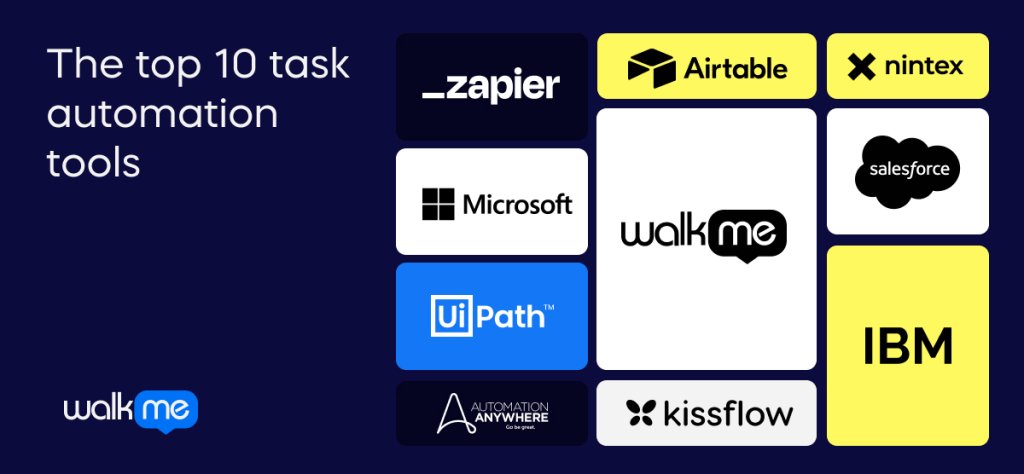
For example, you can automatically save email attachments to cloud storage, send notifications for completed tasks, or update spreadsheets without manual input. These tools are especially useful for businesses that rely on multiple applications.
Data Entry and Processing Software
Data entry is one of the most common manual tasks in many industries. Automation tools can significantly reduce the need for manual input by extracting and processing data automatically.
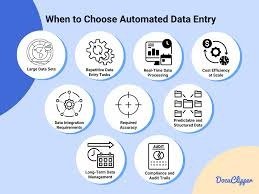
Tools like UiPath use robotic process automation (RPA) to handle tasks such as filling forms, copying data, and generating reports. This not only saves time but also improves accuracy.
By automating data processing, businesses can make faster decisions based on real-time information.
Project and Workflow Management Tools
Managing tasks manually can be overwhelming, especially when working on multiple projects. Software like Trello and Asana helps organize tasks, assign responsibilities, and track progress.
These tools replace manual tracking methods such as spreadsheets or paper lists. They provide a clear overview of tasks, deadlines, and priorities, ensuring that nothing is missed.
Automation features within these tools can also send reminders, update task statuses, and notify team members automatically.
Customer Support Automation
Customer support often involves repetitive queries and responses. AI-powered chatbots and helpdesk software can handle these tasks efficiently.
Tools like Zendesk and Freshdesk automate customer interactions by responding to common questions, creating support tickets, and routing issues to the right team.
This reduces the workload on support staff while improving response time and customer satisfaction.
Accounting and Finance Software
Financial tasks such as invoicing, expense tracking, and payroll management are often done manually, which can lead to errors. Accounting software automates these processes and ensures accuracy.
Platforms like QuickBooks and Zoho Books allow users to generate invoices, track expenses, and manage financial reports automatically.
This not only saves time but also helps maintain accurate financial records and compliance.
Marketing Automation Tools
Marketing involves multiple repetitive tasks such as sending emails, posting on social media, and tracking campaign performance. Automation tools can handle these tasks efficiently.
Software like Mailchimp and HubSpot enables businesses to automate email campaigns, schedule posts, and analyze results.
This allows marketers to focus on strategy and creativity instead of routine tasks.
Conclusion
Software that replaces manual work is transforming the way people and businesses operate. By automating repetitive tasks, these tools save time, reduce errors, and improve efficiency.
From task automation and data processing to customer support and marketing, modern software solutions handle a wide range of activities that once required manual effort. Adopting these tools not only boosts productivity but also allows individuals and organizations to focus on innovation and growth.
In a world where time is valuable, replacing manual work with smart software is no longer an option—it’s a necessity.

