
By using this site, you agree to the Privacy Policy and Terms of Use.
Accept
skimlet.com
  • Home
  • Drive Sail & Fly
    Drive Sail & Fly
    Show More
    Top News
    Innovation in Electric Vehicles: Driving the Future of Mobility
    March 9, 2026
    Top Scenic Roads Around the World Every Road Trip Lover Must Experience
    March 16, 2026
    Luxury Cruise Experiences Around the World
    March 25, 2026
    Latest News
    Beyond Insurance: How State Farm Helps Secure Your Future
    April 20, 2026
    The Maharaja Express: India’s Most Luxurious Train Journey
    April 9, 2026
    Contiki Travel: Exploring the World with Young Adventurers
    April 5, 2026
    The World’s Most Luxurious Planes
    April 9, 2026
  • Ecommerce
    Ecommerce
    Music expresses feeling and thought, without language. It was below and before speech, and it is above and beyond all words.
    Show More
    Top News
    How Much Does It Cost to Start an Online Store?
    December 26, 2025
    Unlocking Growth with Brevo: The Marketing Platform That Does More
    March 2, 2026
    Best Electronics to Buy Under Rupees 500
    April 25, 2026
    Latest News
    The Rise of D2C (Direct-to-Consumer) Brands
    April 30, 2026
    Beyond Insurance: How State Farm Helps Secure Your Future
    April 20, 2026
    Best Electronics to Buy Under Rupees 500
    April 25, 2026
    Top 10 Best Books Everyone Should Read
    April 25, 2026
  • Fashion
  • Food & Drink
  • Homes & Gardens
  • News & Sports
  • Softwares
  • Style & Beauty
  • Travel
Reading: How Fast Fashion Impacts the Environment
skimlet.comskimlet.com
Font ResizerAa
Search
Follow US
© 2025 Skimlet. All Rights Reserved | Crafted by Developer Mods
skimlet.com > Blog > Fashion > How Fast Fashion Impacts the Environment
Fashion

How Fast Fashion Impacts the Environment

Amanda Core
By Amanda Core March 20, 2026 5 Min Read
Share
SHARE

Fast fashion has transformed the global clothing industry by making trendy outfits affordable and easily accessible. Brands release new collections quickly, allowing consumers to follow the latest styles without spending too much money. While this rapid production has made fashion more convenient, it has also created serious environmental challenges. The fast fashion industry is now one of the largest contributors to pollution and waste worldwide.

Contents
What is Fast Fashion?Increased Textile WasteWater Pollution and ConsumptionCarbon Emissions and Climate ChangeUse of Synthetic MaterialsImpact on Natural ResourcesMoving Toward Sustainable FashionConclusion

What is Fast Fashion?

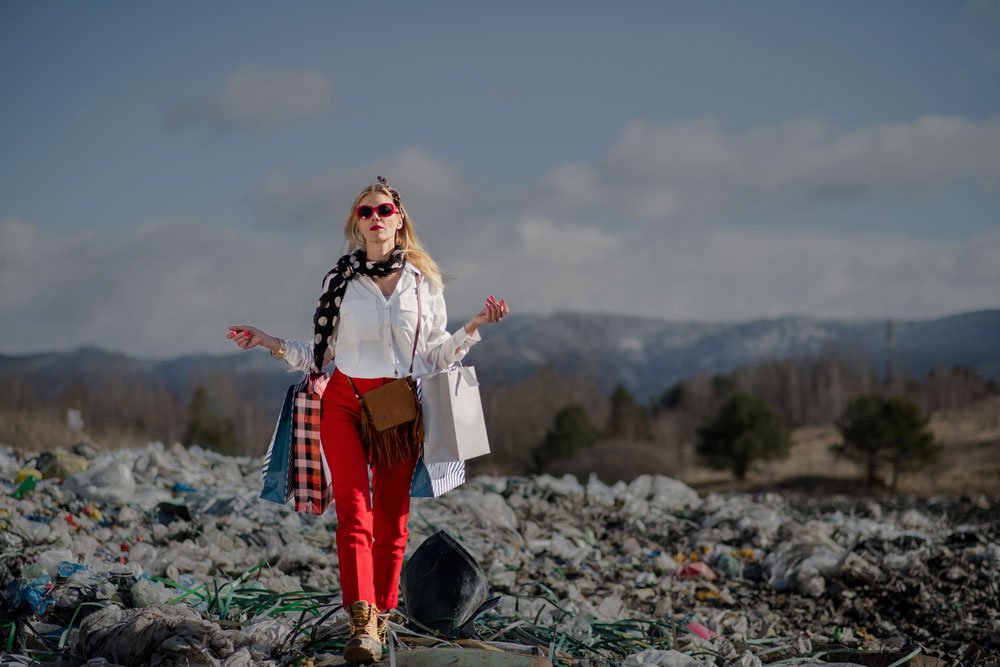
Fast fashion refers to the rapid production of clothing that quickly moves from the runway to stores. Major brands such as Zara and H&M have popularized this business model by introducing new designs frequently to meet consumer demand.
The goal of fast fashion is to produce large quantities of trendy clothing at low costs. While this approach makes fashion more accessible, it also encourages people to buy more clothes and discard them quickly when trends change.

Increased Textile Waste

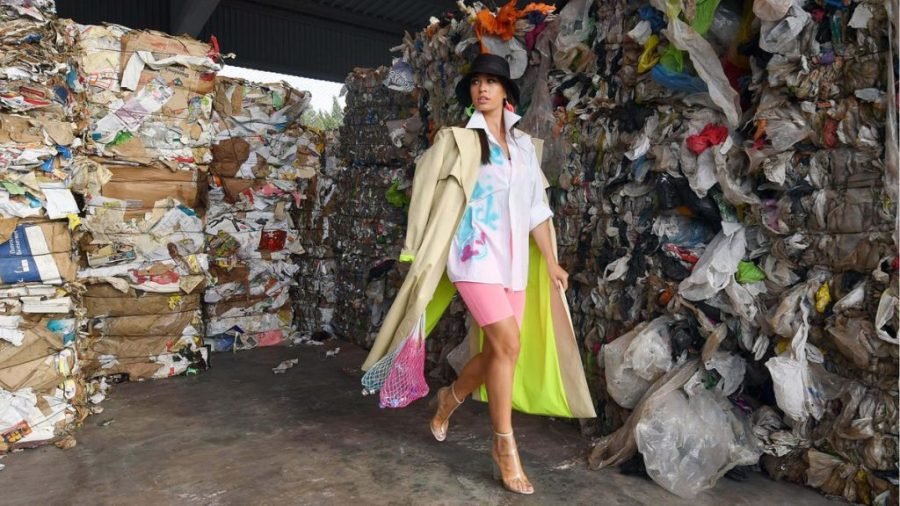
One of the biggest environmental problems caused by fast fashion is textile waste. Because clothes are produced cheaply and trends change rapidly, many garments are worn only a few times before being thrown away.

Millions of tons of clothing end up in landfills every year. Many of these garments are made from synthetic fabrics that do not decompose easily, contributing to long-term environmental damage.

Additionally, when clothing waste is burned or dumped, it releases harmful chemicals into the air and soil.

Water Pollution and Consumption

The fashion industry requires enormous amounts of water. Cotton farming alone uses large quantities of water for irrigation. In fact, producing a single cotton shirt can require thousands of liters of water.

Dyeing and finishing fabrics also create serious water pollution. Toxic chemicals used in textile production often enter rivers and oceans, harming aquatic life and contaminating water supplies.

This pollution can have long-lasting effects on ecosystems and communities that depend on clean water sources.

Carbon Emissions and Climate Change

Fast fashion also contributes significantly to global carbon emissions. The production, transportation, and disposal of clothing require large amounts of energy.

Factories that manufacture clothing often rely on fossil fuels, releasing greenhouse gases into the atmosphere. These emissions contribute to climate change and global warming.
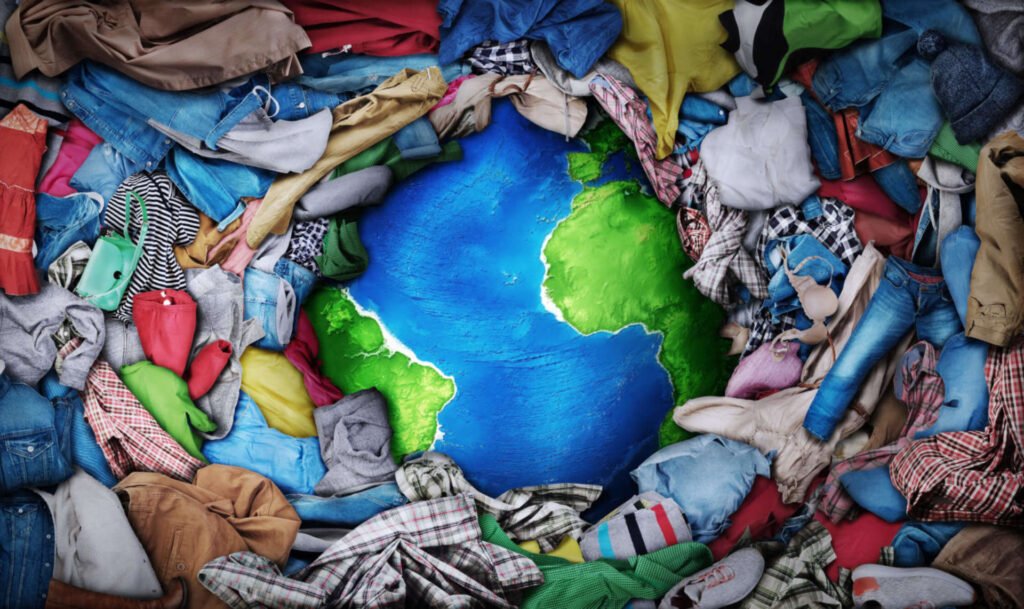
Transportation also adds to the problem, as clothes are shipped across continents to reach global markets.

Use of Synthetic Materials

Many fast fashion garments are made from synthetic materials such as polyester and nylon. These fabrics are derived from petroleum, making them non-biodegradable.

When synthetic clothing is washed, tiny plastic particles known as microplastics are released into water systems. These microplastics eventually reach oceans, where they harm marine life and enter the food chain.

Impact on Natural Resources

The constant demand for new clothing puts pressure on natural resources. Large amounts of land, water, and energy are required to produce fabrics and manufacture garments.

Deforestation, excessive water use, and chemical pollution all result from large-scale textile production. Over time, this unsustainable consumption can damage ecosystems and reduce the availability of natural resources.

Moving Toward Sustainable Fashion

In response to growing environmental concerns, many consumers and brands are beginning to adopt more sustainable practices. Sustainable fashion focuses on producing clothing in environmentally friendly and ethical ways.

This includes using organic fabrics, reducing waste, recycling materials, and encouraging consumers to buy fewer but higher-quality garments.

Consumers can also make a difference by choosing durable clothing, repairing old garments, and supporting responsible fashion brands.

Conclusion

Fast fashion has made stylish clothing affordable and widely available, but its environmental impact is significant. From textile waste and water pollution to carbon emissions and microplastic contamination, the industry poses serious challenges to the planet.

Addressing these issues requires both industry changes and responsible consumer choices. By embracing sustainable fashion practices and reducing unnecessary consumption, individuals can help protect the environment and promote a more sustainable future for the fashion industry.


You Might Also Like

StockX Review: The Trusted Marketplace for Sneakers, Streetwear & Collectibles

25 Unique Etsy Finds Worth Buying in 2026 | Handmade & Personalized Gifts

How Social Media Is Changing Fashion Trends

Summer Fashion for Men: Style and Comfort in the Warm Season

The Growing Appeal of Handmade Fashion in a Fast-Paced World

TAGGED: Biodegradable, Changing Fashion, Clothing, Sustainability
Share This Article
Facebook Twitter Email Copy Link Print
Leave a comment

Leave a Reply Cancel reply

Your email address will not be published. Required fields are marked *

More Popular from Foxiz

FashionStyle & Beauty

25 Unique Etsy Finds Worth Buying in 2026 | Handmade & Personalized Gifts

By Admin 5 Min Read
- Advertisement -
Ad image
Softwares

Software That Replaces Manual Work

In today’s fast-paced digital world, efficiency is everything. Businesses and individuals are constantly looking for ways…

By Amanda Core
Softwares

Subscription Software vs One-Time Purchase: Which Is Better?

In today’s digital world, software is an essential part of both personal and professional life. From…

By Amanda Core
Softwares

Tools That Help You Stay Organized Daily

Staying organized in today’s fast-paced world can feel like a challenge. With multiple responsibilities, deadlines, and…

By Amanda Core
Travel

Best Cafes and Food Experiences in France

France is one of the world’s most celebrated food destinations, known for its rich culinary traditions,…

By Amanda Core
Homes & Gardens

Homegrown Vegetables: A Simple Step Toward Healthier Living

Growing vegetables at home has become increasingly popular in recent years. With rising concerns about food…

By Amanda Core
skimlet.com

Skimlet can be positioned as a multi-niche content-driven website publisher, monetizing through affiliate marketing, ads, and sponsored content. It can cover various categories, attracting diverse audiences and maximizing revenue streams.

Categories

  • Home
  • Drive Sail & Fly
  • Ecommerce
  • Fashion
  • Food & Drink
  • Homes & Gardens
  • News & Sports
  • Softwares
  • Style & Beauty
  • Travel

Quick Links

  • About Us
  • Contact Us
  • Terms & Conditions
  • Privacy & Policy

© 2025 Skimlet. All Rights Reserved | Crafted by Developer Mods

Welcome Back!

Sign in to your account

Lost your password?