
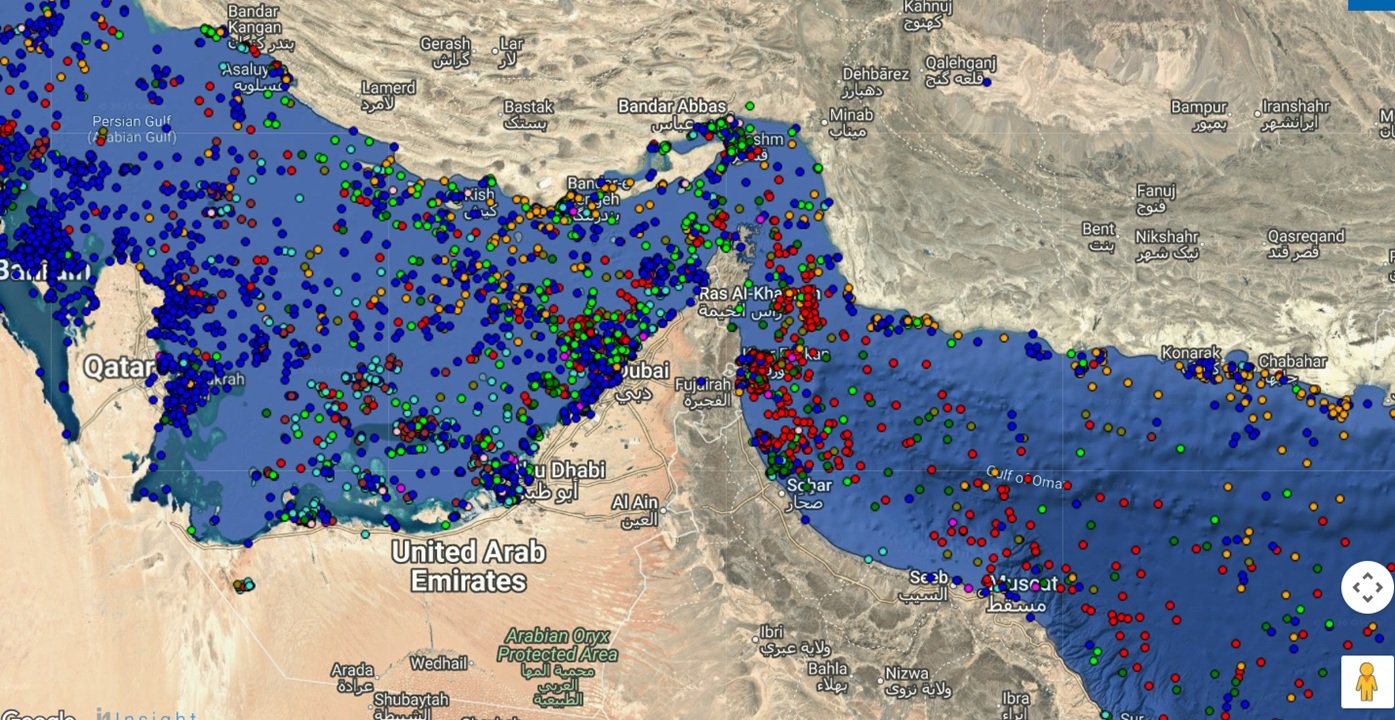

The Strait of Hormuz is one of the most important waterways in the world. Although it is relatively narrow, this small stretch of water plays a massive role in global trade, energy supply, and international politics. Located between the Persian Gulf and the Gulf of Oman, the strait connects major oil-producing countries in the Middle East to the rest of the world. Because such a large portion of the world’s oil passes through this route, the Strait of Hormuz is often described as the world’s most important oil chokepoint.
Location and Geography
The Strait of Hormuz lies between Iran on the north and Oman and the United Arab Emirates on the south. It serves as the only sea passage from the oil-rich Persian Gulf to the open ocean. At its narrowest point, the strait is only about 33 kilometers wide, with shipping lanes even narrower.
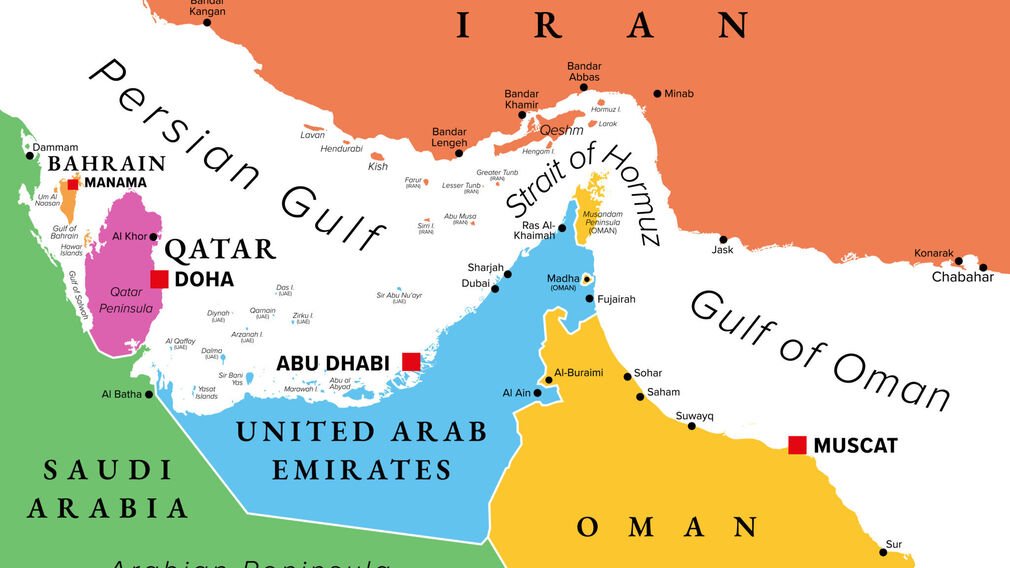
Despite its small size, the strait is a critical route for global maritime traffic. Tankers carrying oil and liquefied natural gas travel through this passage every day, delivering energy supplies to countries across Asia, Europe, and North America.
A Major Global Oil Route
The biggest reason the Strait of Hormuz is so important is its role in global energy transportation. A large percentage of the world’s oil exports pass through this narrow channel.
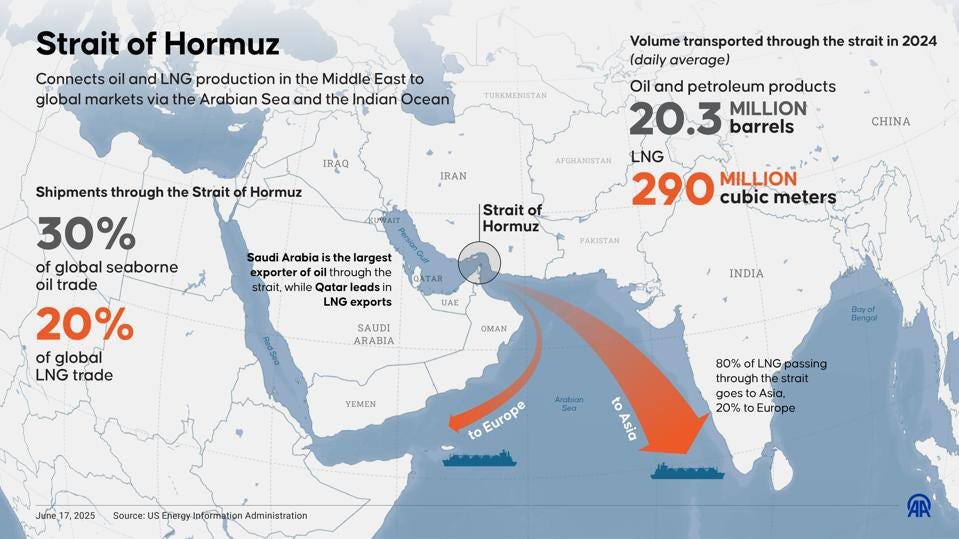
Oil produced by countries such as Saudi Arabia, Iraq, Kuwait, Iran, and the United Arab Emirates must travel through the Strait of Hormuz to reach international markets. Energy analysts estimate that around 20% of the world’s oil supply moves through this route every day.
In addition to crude oil, a significant amount of liquefied natural gas (LNG) is also transported through the strait, especially from Qatar, one of the world’s largest LNG exporters. This makes the Strait of Hormuz vital not only for oil markets but also for natural gas supplies.
Impact on Global Energy Prices
Because so much of the world’s energy supply passes through the Strait of Hormuz, any disruption in this region can have a major impact on global oil and gas prices.
If shipping in the strait slows down or stops due to conflict, accidents, or political tensions, the supply of oil to international markets can decrease. When supply falls and demand remains high, prices often increase quickly.
This means that events in the Strait of Hormuz can influence fuel prices, transportation costs, and even inflation in many countries around the world.
Strategic and Political Importance
The Strait of Hormuz is not only important for trade but also for international security and geopolitics. Because it is such a critical route for energy exports, many countries closely monitor the situation in this region.
Political tensions between countries in the Middle East, especially involving Iran and Western nations, often raise concerns about the safety of shipping in the strait. Over the years, there have been incidents involving oil tankers, military patrols, and threats to close the strait.
Many global powers maintain a naval presence in nearby waters to ensure the security of shipping routes. Protecting the Strait of Hormuz is considered essential for maintaining stable global energy markets.
Economic Importance for Many Countries
Several countries depend heavily on the Strait of Hormuz for their economic stability. For oil-exporting nations in the Persian Gulf, the strait is the primary route for sending energy products to international buyers.
At the same time, many countries that import oil—especially in Asia, including India, China, Japan, and South Korea—rely on shipments that pass through this route. Any disruption could affect their energy supply and economic growth.
Because of this global dependence, the security and stability of the Strait of Hormuz are closely watched by governments, businesses, and financial markets worldwide.
Conclusion
The Strait of Hormuz may be small in size, but its global importance is enormous. As the main gateway for oil and natural gas exports from the Persian Gulf, it plays a critical role in supplying energy to the world. Any disruption in this narrow waterway can affect global markets, fuel prices, and international relations.
For this reason, the Strait of Hormuz remains one of the most strategically important locations on the planet. Ensuring its stability and security is essential for maintaining the smooth flow of global trade and energy supply in today’s interconnected world.

