
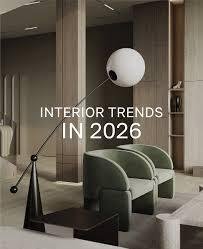

Interior design in 2026 is moving beyond aesthetics to focus on comfort, wellness, and personal expression. Homes are no longer just visually pleasing spaces—they are multi-functional environments designed to support modern lifestyles, emotional well-being, and sustainability. From warmer color palettes to nature-inspired materials and flexible layouts, this year’s interior design trends reflect how people truly live today.
Here’s a closer look at the key interior design trends for 2026 that are shaping modern homes around the world.
Warm, Earthy Color Palettes Take Over
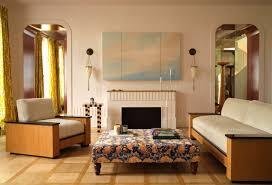
Cool greys and stark whites are officially taking a back seat in 2026. Instead, homes are embracing warm, grounding colors that create a sense of comfort and calm. Shades like chocolate brown, clay, terracotta, beige, caramel, olive green, and muted rust are dominating walls, furniture, and soft furnishings.
A popular technique known as color drenching—using varying tones of the same color across walls, ceilings, and décor—is gaining traction. This approach creates depth without visual clutter and makes spaces feel cohesive and cozy.
Curved Furniture and Soft Minimalism
Sharp edges and rigid lines are being replaced by soft curves and organic shapes. Rounded sofas, circular coffee tables, arched doorways, and sculptural chairs are trending in both living rooms and bedrooms.
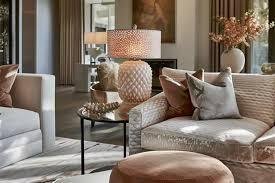
This shift aligns with the rise of soft minimalism, a design style that blends clean layouts with warmth and texture. Rather than cold, empty spaces, homes now feature fewer items—but each piece feels intentional, comfortable, and inviting.
Biophilic Design: Nature Inside the Home
One of the strongest interior design trends for 2026 is biophilic design—the practice of bringing natural elements indoors. Homes are incorporating indoor plants, vertical gardens, large windows, and natural light to create a stronger connection with nature.
Materials such as wood, stone, linen, jute, and bamboo are widely used to add authenticity and texture. Beyond aesthetics, biophilic interiors are known to reduce stress, improve air quality, and enhance overall well-being, making them ideal for modern living.
Sensory Design for Wellness-Focused Living
In 2026, interior design is no longer just about how a space looks—it’s about how it feels. Sensory design focuses on engaging touch, sound, light, and even scent to create more comfortable living environments.
Textured walls, plush rugs, acoustic panels, layered lighting, and calming color schemes all contribute to a soothing atmosphere. Homes are being designed to support mental health, relaxation, and balance—especially as people spend more time indoors.
Sustainable and Eco-Friendly Interiors
Sustainability continues to influence interior design choices in a big way. Homeowners are prioritizing eco-friendly materials, recycled furniture, energy-efficient lighting, and long-lasting décor over fast, disposable trends.
Instead of frequently replacing items, the focus is on quality craftsmanship and timeless design. Sustainable interiors not only reduce environmental impact but also create healthier spaces for everyday living.
Statement Lighting as Functional Art
Lighting in 2026 is no longer just practical—it’s expressive. Statement lighting fixtures such as sculptural pendants, oversized lamps, and artistic chandeliers are becoming focal points in modern interiors.
Layered lighting—combining ambient, task, and accent lights—helps create mood and flexibility throughout the day. The right lighting design enhances both functionality and visual appeal, making it a key element of modern homes.
Multi-Functional and Flexible Spaces
As lifestyles continue to evolve, homes are being designed with flexibility in mind. Living rooms double as workspaces, dining areas transform into social hubs, and guest rooms adapt to changing needs.
Modular furniture, smart storage solutions, and adaptable layouts allow homeowners to maximize space without sacrificing style. This trend is especially relevant for apartments and urban homes where efficient use of space is essential.
Personalized and Art-Led Interiors
2026 is all about individuality. Homes are becoming more personal, with art-led interiors, handcrafted décor, and meaningful design elements taking center stage. Sculptures, custom artwork, and cultural influences help tell a story and reflect the homeowner’s personality.
Rather than copying trends exactly, people are mixing styles, textures, and eras to create spaces that feel authentic and lived-in.
Conclusion
Interior design trends for 2026 emphasize warmth, wellness, sustainability, and self-expression. From earthy color palettes and curved furniture to nature-inspired materials and flexible layouts, modern homes are evolving into spaces that truly support everyday life.
Instead of chasing fleeting trends, the focus is on creating interiors that feel comfortable, intentional, and timeless—homes designed not just to impress, but to be lived in and loved.

