
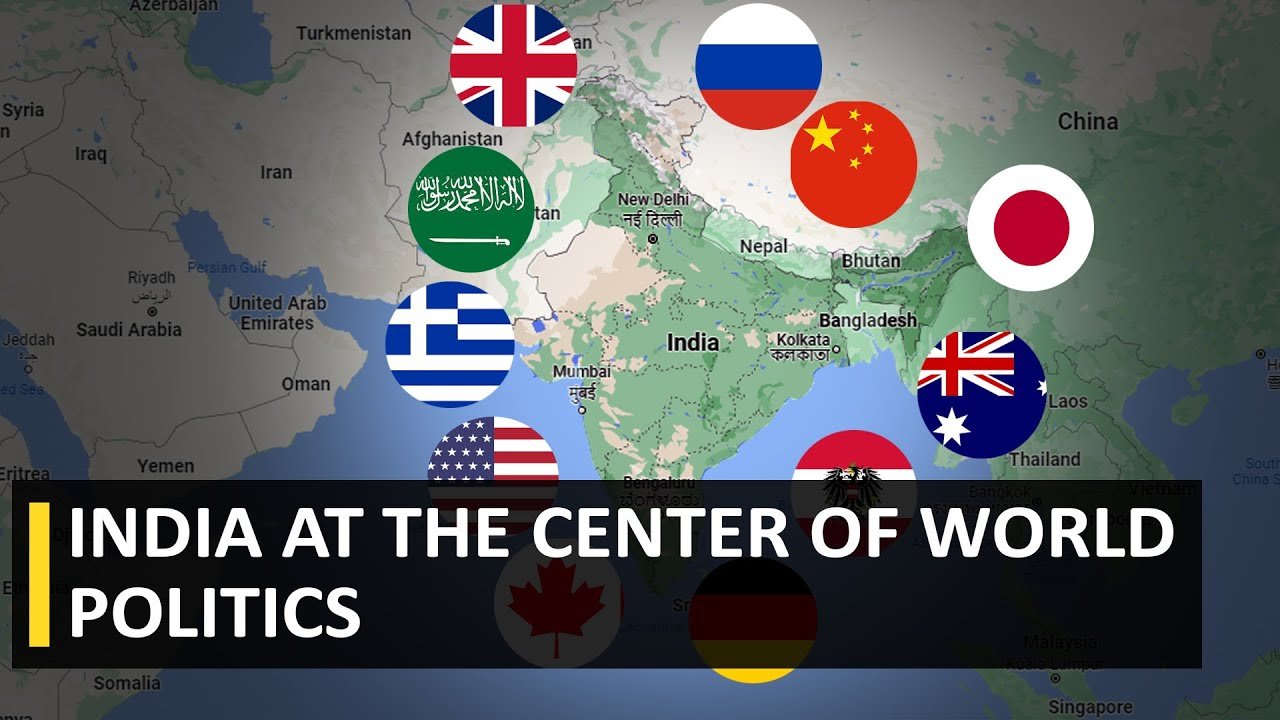

Over the past few decades, India has emerged as one of the most influential countries in global politics. With its large population, rapidly growing economy, strong military, and active diplomacy, India is playing an increasingly important role in shaping international relations. Today, the country is not only a major power in Asia but also a key participant in global decision-making.
Growing Economic Power
One of the main reasons for India’s rising influence in world politics is its growing economy. India is currently one of the largest economies in the world and continues to expand through sectors such as technology, manufacturing, and services. Cities like Bengaluru and Hyderabad have become global technology hubs attracting international companies and investments.
India’s economic growth has strengthened its voice in global economic organizations like the International Monetary Fund and the World Bank. As the country continues to grow economically, its ability to influence global policies and trade decisions also increases.
Strategic Role in Global Alliances
India has built strong relationships with many countries to promote peace, security, and economic cooperation. It maintains close diplomatic ties with major global powers such as the United States, France, and Japan.
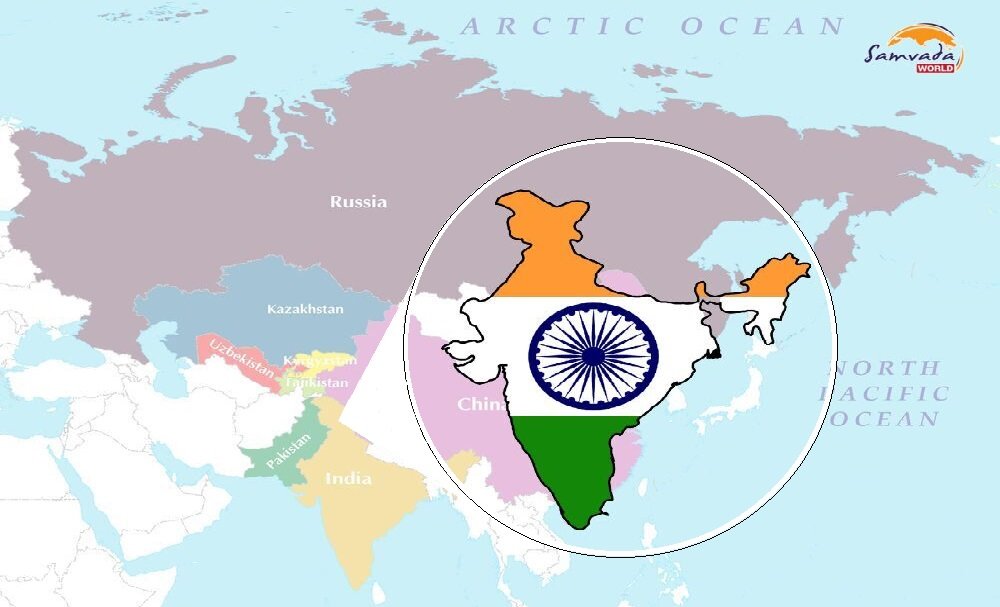
India is also an important member of international groups like BRICS, which includes emerging economies such as Brazil, Russia, China, and South Africa. These alliances allow India to collaborate on economic development, security issues, and global governance.
In addition, India participates in the Quadrilateral Security Dialogue (Quad) along with the United States, Japan, and Australia to maintain stability in the Indo-Pacific region.
Strong Defense and Military Capability
India is one of the strongest military powers in the world. Its defense capabilities include a large army, modern air force, and advanced naval forces. The country also possesses nuclear weapons and continues to develop new defense technologies.
India plays an important role in maintaining security in the Indian Ocean region. Its strategic location between major trade routes gives it a significant advantage in global geopolitics.
The country also contributes to international peacekeeping missions organized by the United Nations, helping maintain peace in conflict zones around the world.
Leadership in Global Issues
India has also taken leadership in addressing global challenges such as climate change, health crises, and sustainable development. The country played a key role in establishing the International Solar Alliance to promote renewable energy and reduce dependence on fossil fuels.
During global emergencies such as the COVID-19 pandemic, India provided vaccines and medical supplies to many developing countries. This effort strengthened India’s image as a responsible and supportive global partner.
Challenges in Global Politics
Despite its growing influence, India still faces several challenges in global politics. Regional tensions with neighboring countries like China and Pakistan sometimes create geopolitical concerns.
Additionally, India continues to advocate for a permanent seat in the United Nations Security Council, arguing that its population size, economic power, and democratic system justify a larger role in global governance.
Conclusion
India’s position in world politics has become stronger in recent years due to its economic growth, strategic alliances, military strength, and diplomatic efforts. As one of the world’s largest democracies and fastest-growing economies, India is increasingly shaping global discussions on security, trade, and development.
With continued progress and international cooperation, India is expected to play an even greater role in global politics in the coming decades.

