
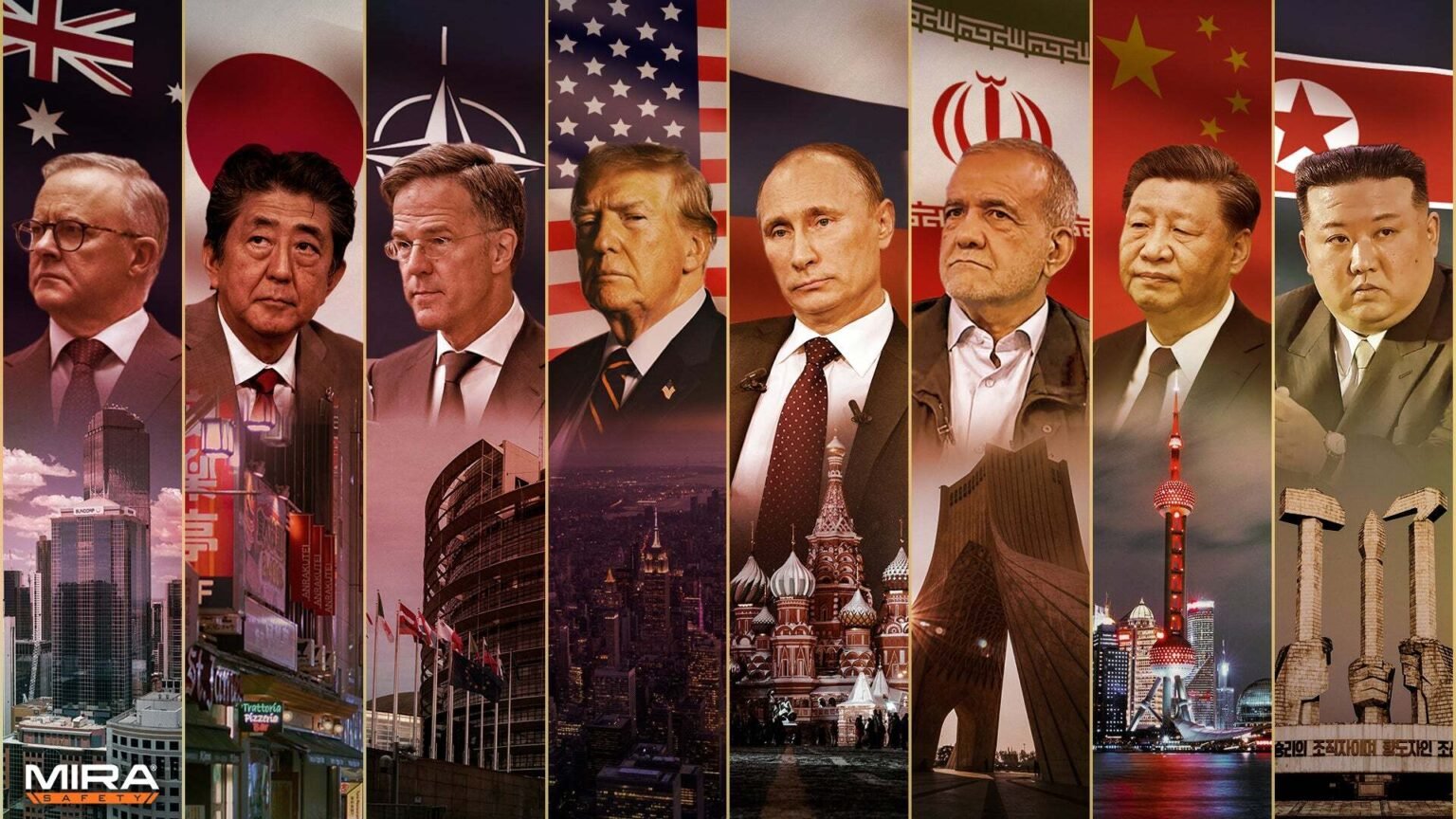

The Middle East has long been a region marked by political tensions and geopolitical rivalries. In recent months, the situation has grown increasingly volatile as military conflicts and strategic confrontations continue to intensify. The ongoing war involving countries such as Iran, Israel, and the United States has created serious concerns about regional stability and global security. As the conflict expands, its consequences are being felt far beyond the Middle East.
Rising Military Tensions
The recent escalation began with a series of military strikes and counterattacks between regional powers. Tensions between Iran and Israel have been building for years due to disagreements over regional influence, security threats, and nuclear concerns. These tensions have now turned into direct and indirect military confrontations.
The United States has also become increasingly involved in the situation by deploying additional military forces and strengthening its presence in the region. Military bases, naval fleets, and air defense systems have been reinforced to protect allies and maintain strategic control in key areas.
The presence of multiple military powers in the same region has significantly increased the risk of further escalation.
Impact on Regional Stability
The war has already caused instability across several Middle Eastern countries. Nations such as Saudi Arabia, Qatar, and United Arab Emirates are closely monitoring the situation due to the potential security risks.
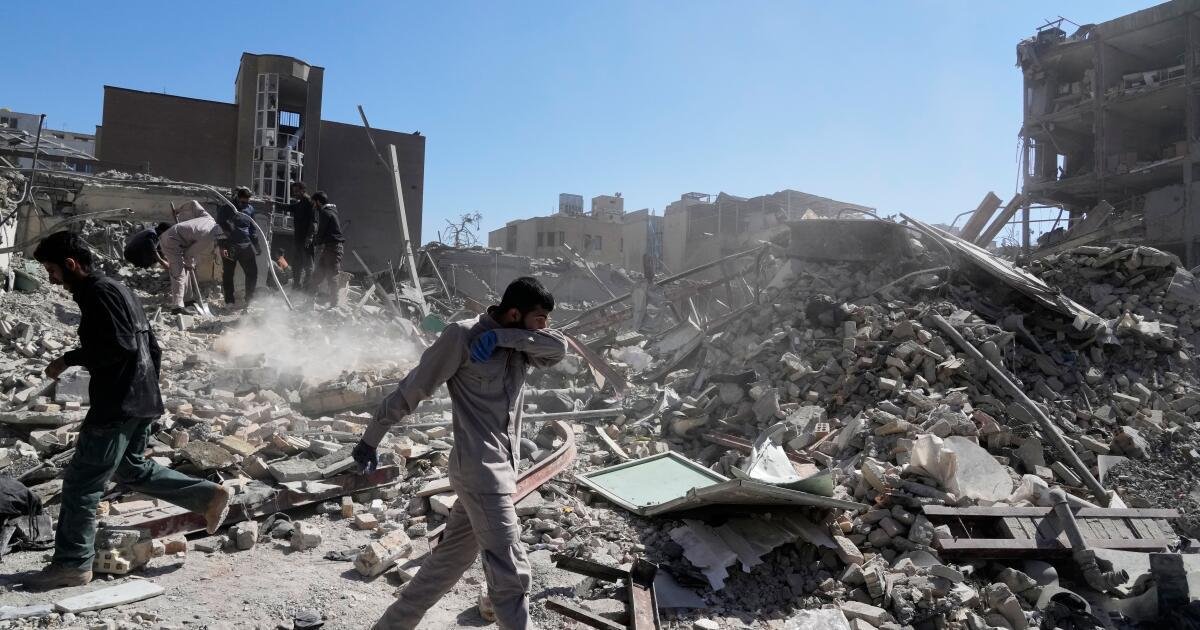
Many governments in the region are strengthening their defense systems and preparing for possible spillover effects of the conflict. Military tensions in the region can easily disrupt trade routes, energy infrastructure, and economic stability.
The conflict has also created humanitarian concerns as civilians in affected areas face uncertainty, displacement, and safety risks.
Global Energy Concerns
One of the most significant global impacts of the Middle East war is its effect on the energy market. The region is home to some of the world’s largest oil and gas reserves. Any disruption to production or transportation can affect fuel supplies around the world.
The strategic waterway known as the Strait of Hormuz is especially important because a large portion of the world’s oil shipments pass through it every day. If tensions disrupt shipping routes in this area, it could cause serious supply shortages.
As a result, global oil prices have become increasingly unstable. Many countries are preparing for possible fuel shortages and rising transportation costs.
Economic Impact Worldwide
The escalation of the conflict is also affecting global financial markets. Investors tend to react quickly to geopolitical risks, and ongoing military tensions often lead to market uncertainty.
Higher energy prices can increase the cost of goods, transportation, and manufacturing. This may contribute to rising inflation in many countries. Businesses and governments are closely monitoring the situation to assess how long-term instability in the Middle East could affect the global economy.
International trade routes may also face disruptions if the conflict spreads further across the region.
Diplomatic Efforts for Peace
Despite the growing tensions, several international organizations and governments are working to reduce the risk of further conflict. The United Nations has called for dialogue and diplomatic negotiations to prevent the situation from escalating into a larger regional war.
Diplomatic talks, ceasefire discussions, and international mediation efforts are being considered to bring stability back to the region. However, achieving peace in such a complex geopolitical environment remains a significant challenge.
Conclusion
The ongoing escalation of the Middle East war is creating serious concerns for both regional and global stability. With powerful nations involved and strategic resources at stake, the situation has the potential to affect energy markets, economic conditions, and international security.
As tensions continue to rise, the international community is closely watching developments in the region. Diplomatic solutions and peaceful negotiations will play a crucial role in preventing further escalation and ensuring long-term stability in the Middle East.

