
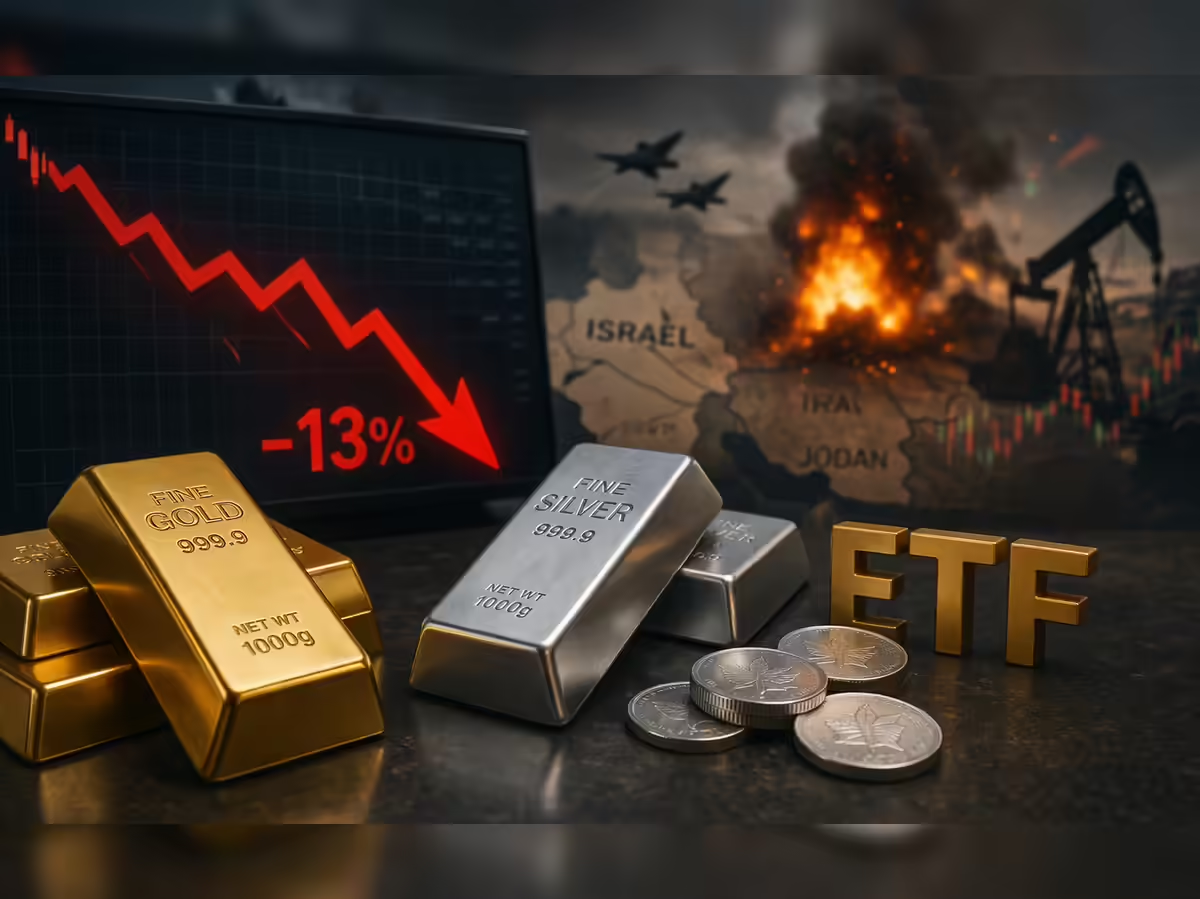

Global financial markets often react strongly to geopolitical conflicts, and the recent tensions in the Middle East have created significant volatility in commodity markets. While many investors initially expected precious metals to rise during the crisis, unexpected economic developments have instead caused a sharp drop in gold and silver prices. The sudden crash in these traditionally “safe-haven” assets has surprised investors and analysts across the world.
Why Gold and Silver Usually Rise During Wars
Gold and silver have historically been considered safe investments during times of uncertainty. When geopolitical conflicts or economic crises occur, investors often move their money from stocks and risky assets into precious metals. This shift normally pushes gold and silver prices higher.
For example, during previous global crises and wars, the demand for precious metals increased because investors viewed them as a stable store of value. Gold especially has long been seen as a hedge against inflation and economic instability.
However, the current Middle East conflict has created a different situation in global markets.
The Impact of the Middle East War
The ongoing war in the Middle East has caused severe disruptions in oil supplies and energy infrastructure across the region. Countries heavily dependent on energy imports are experiencing rising fuel prices and economic pressure.
Instead of increasing demand for gold and silver, the crisis has triggered a wave of market instability. Investors are selling various assets to maintain liquidity and cover rising costs. As a result, even traditionally safe assets like precious metals have experienced price declines.
Market analysts suggest that the crash is largely due to investors selling gold and silver to offset losses in other investments.
Stronger Global Currency Pressures
Another major factor behind the falling prices of gold and silver is the strength of the US dollar. In times of global financial uncertainty, investors often shift their funds into the US dollar because it is considered one of the most stable currencies.
When the dollar becomes stronger, precious metals usually become more expensive for international buyers. This reduces demand and puts downward pressure on prices.
The combination of a strong dollar and global economic stress has contributed significantly to the recent decline in gold and silver values.
Rising Interest Rates
Global central banks are also playing an important role in the current market situation. To control inflation caused by rising energy prices, several countries are increasing interest rates.
Higher interest rates often reduce the attractiveness of precious metals because gold and silver do not generate interest or dividends. Investors may prefer assets such as bonds or savings instruments that offer better returns during high-interest environments.
This shift in investment strategies has further contributed to the decline in precious metal prices.
Impact on Global Investors
The sudden fall in gold and silver prices has affected investors worldwide. Many individuals invest in precious metals to protect their savings during uncertain times. The unexpected price drop has therefore created concerns among both small investors and large financial institutions.
Jewelry markets have also been affected. Lower gold and silver prices can sometimes increase consumer demand for jewelry, but ongoing economic uncertainty may limit spending.
Countries like India and China, which have traditionally strong demand for gold, are closely monitoring price changes and market trends.
What Experts Predict for the Future
Financial experts believe that gold and silver prices may remain volatile as long as geopolitical tensions continue. If the Middle East conflict escalates further, investor behavior could shift again, potentially driving prices upward.
At the same time, long-term trends such as inflation, global economic growth, and monetary policies will continue to influence precious metal markets.
Many analysts suggest that the current price crash may only be temporary and that gold and silver could recover once market conditions stabilize.
Conclusion
The recent crash in gold and silver prices during the Middle East war highlights the complex nature of global financial markets. Although precious metals are traditionally seen as safe investments during times of crisis, factors such as currency strength, rising interest rates, and investor liquidity needs can alter market behavior.
As geopolitical tensions continue to influence global economies, investors must remain cautious and stay informed about changing market dynamics. The situation serves as a reminder that even the most trusted safe-haven assets can experience unexpected fluctuations in uncertain times.

