
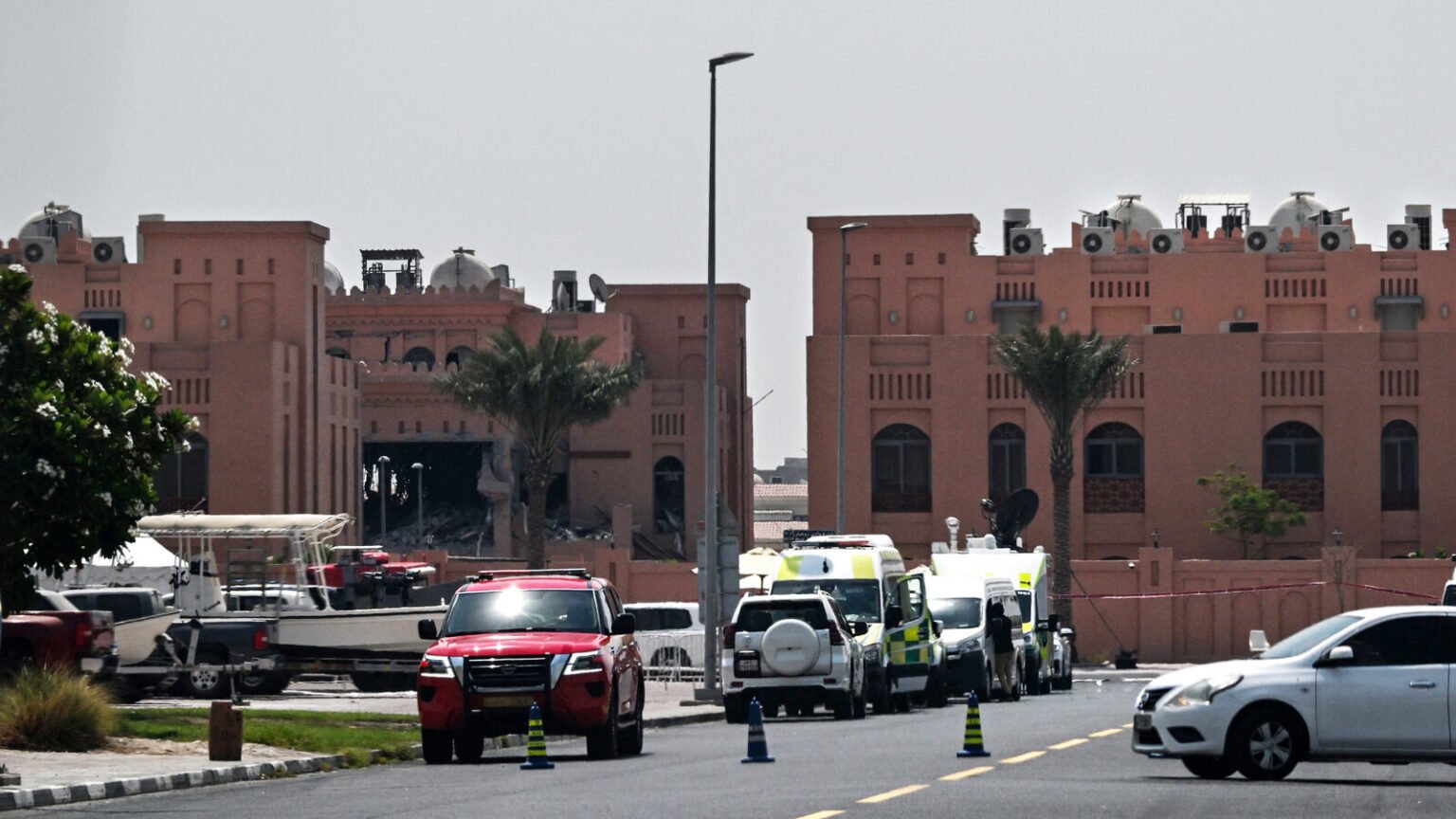

The recent attack by Iran on Qatar has become a major global concern, marking a serious escalation in tensions across the Middle East. This development is not just a regional issue—it has far-reaching consequences for global energy supply, economic stability, and international security.
Background of the Conflict
The attack is part of a broader and intensifying conflict in the Middle East involving multiple countries. Tensions escalated after strikes on Iranian energy infrastructure, which triggered retaliatory actions from Iran. As a response, Iran launched missile and drone attacks targeting key locations in Qatar, including energy facilities and strategic sites.
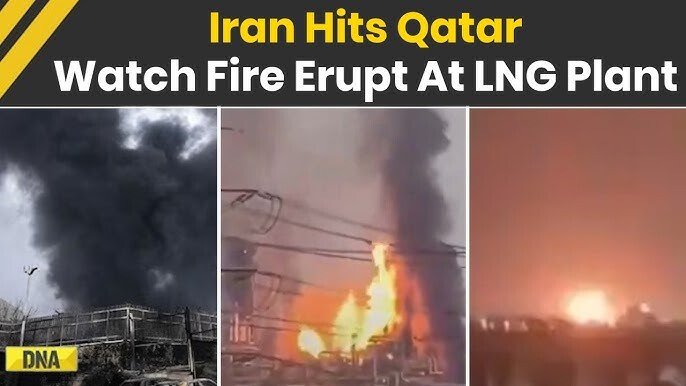
Reports suggest that dozens of missiles were fired toward Qatar, many of which were intercepted by air defense systems. However, some damage and injuries were still reported, highlighting the seriousness of the situation.
Targeting Energy Infrastructure
One of the most critical aspects of the attack was its focus on energy infrastructure. Iran reportedly targeted the Ras Laffan industrial area, one of the world’s largest liquefied natural gas (LNG) hubs.
The damage caused by these strikes has had a major impact on Qatar’s energy production. Estimates suggest that around 17% of Qatar’s LNG capacity has been affected, and recovery could take several years.
This is significant because Qatar is one of the world’s largest exporters of natural gas. Any disruption in its production can affect global energy markets, especially in regions that depend heavily on LNG imports.
Global Energy Impact
The attack has already caused a sharp reaction in global energy markets. Oil and gas prices have surged due to fears of supply shortages. In some cases, energy prices have reached their highest levels in years.
The disruption of LNG supply from Qatar is particularly concerning for countries in Europe and Asia that rely on imported gas. This has increased concerns about energy shortages, especially as demand continues to rise.
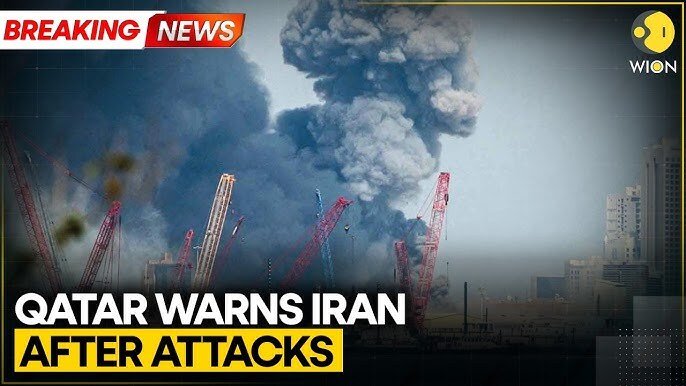
Additionally, fears of disruptions in key shipping routes like the Strait of Hormuz have added to market uncertainty. This route is vital for global oil transportation, and any instability there can further worsen the crisis.
Economic Consequences
The impact of the attack extends beyond the energy sector. Rising fuel prices have led to increased transportation and production costs worldwide. This contributes to inflation, making goods and services more expensive.
Global stock markets have also reacted negatively, with investors becoming cautious due to uncertainty. Industries such as aviation, manufacturing, and logistics are particularly affected, as they rely heavily on fuel.
Some countries are already experiencing economic pressure due to rising import costs and supply chain disruptions.
Political and Military Tensions
The attack has significantly increased political tensions in the region. Qatar has strongly condemned the strike, calling it a violation of its sovereignty and warning that such actions could lead to further escalation.
At the same time, Iran has issued warnings that it will respond strongly to any further threats. This exchange of threats has raised fears of a wider regional conflict involving multiple nations.
Global powers and organizations have called for restraint and diplomatic solutions to prevent the situation from escalating further.
Humanitarian Concerns
Beyond economic and political effects, the attack also raises humanitarian concerns. Even though many missiles were intercepted, some injuries and damage have been reported.
If the conflict continues, it could lead to displacement of people, disruption of daily life, and increased insecurity in the region.
Conclusion
The Iran attack on Qatar represents a significant escalation in Middle East tensions with global consequences. From energy disruptions and rising prices to political instability and humanitarian risks, the impact is widespread.
As the situation continues to evolve, the need for diplomatic efforts and international cooperation becomes more important than ever. Preventing further escalation is crucial to maintaining global stability and avoiding a larger conflict that could affect the entire world.

