
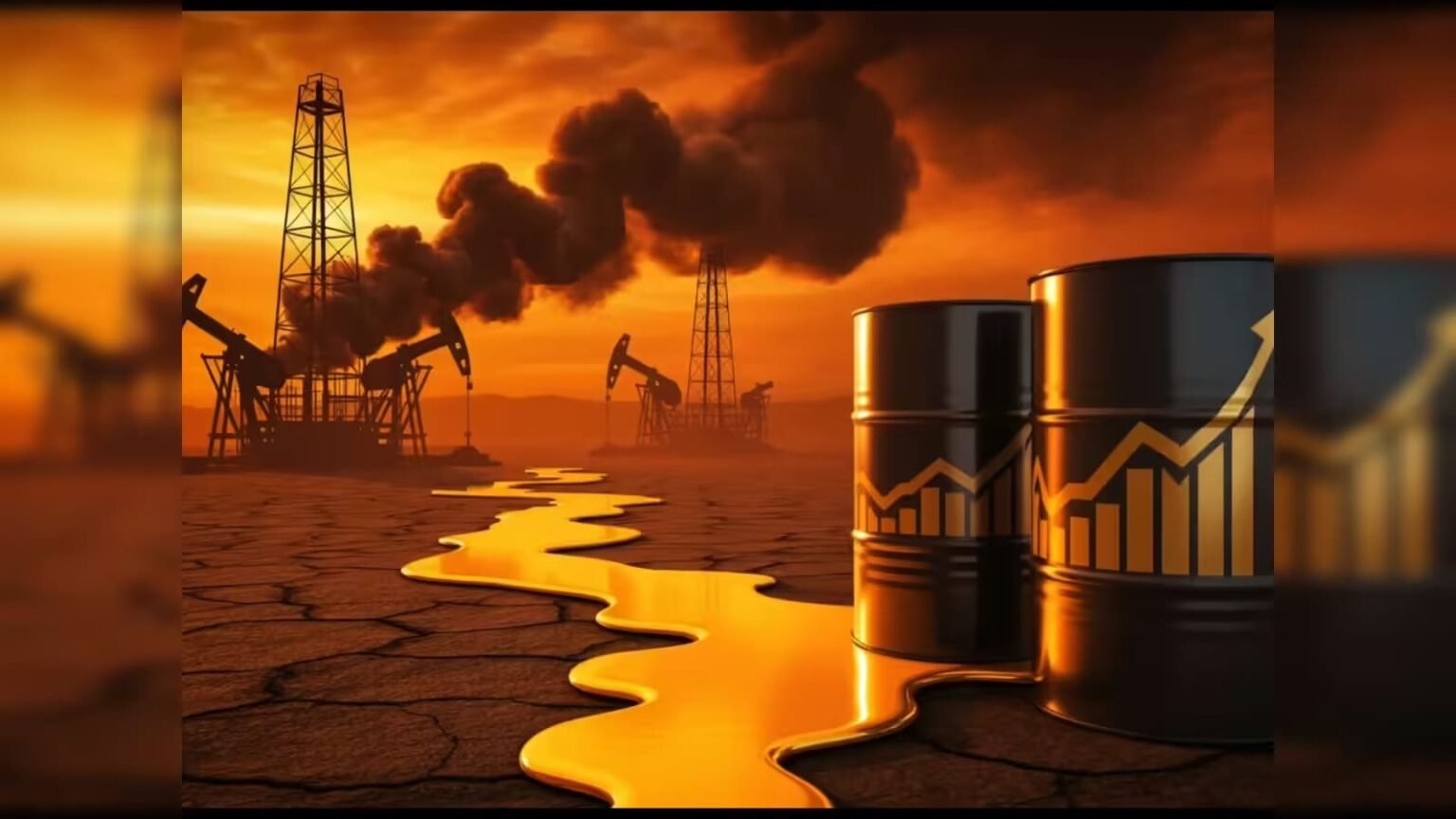

Global energy markets are highly sensitive to geopolitical tensions, and conflicts in the Middle East often have a direct impact on oil and gas prices worldwide. The Middle East is one of the most important regions for energy production, supplying a significant portion of the world’s crude oil and natural gas. When wars or military tensions arise in this region, they disrupt supply chains, create uncertainty in markets, and ultimately lead to an increase in global energy prices.
Countries such as Saudi Arabia, Iran, Iraq, Kuwait, and the United Arab Emirates are among the world’s leading producers of crude oil. These nations export millions of barrels of oil every day to countries across Asia, Europe, and North America. Because of this heavy dependence on Middle Eastern oil, any conflict in the region can quickly create instability in global energy markets.
One of the primary reasons oil and gas prices rise during wars is the fear of supply disruptions. Oil fields, refineries, and pipelines located in conflict zones may be damaged, shut down, or temporarily suspended for safety reasons. Even if the facilities are not directly affected, companies may reduce production due to security concerns. This reduction in supply can create a shortage in global markets, pushing prices higher.
Another critical factor is the security of major oil transportation routes. One of the most important shipping passages for global oil trade is the Strait of Hormuz. A large percentage of the world’s crude oil exports pass through this narrow waterway. If war or military tensions threaten this route, shipping companies may face delays or higher insurance costs, and some tankers may avoid the area altogether. Such disruptions can reduce the amount of oil reaching international markets, further driving up prices.
The impact of rising oil and gas prices is felt across the global economy. When energy costs increase, transportation becomes more expensive, which in turn raises the cost of goods and services. Industries such as aviation, shipping, manufacturing, and logistics rely heavily on fuel, so higher oil prices significantly increase their operating costs. As businesses pass these costs on to consumers, inflation tends to rise.
Natural gas prices also increase during geopolitical conflicts. Many countries depend on imported natural gas for electricity generation, heating, and industrial processes. If supply chains are disrupted or if countries start competing for limited energy resources, gas prices can rise rapidly. This can lead to higher electricity bills for households and increased production costs for industries.
Developing economies are particularly vulnerable to such energy price shocks. Countries like India and China import large amounts of crude oil to support their growing economies. When global oil prices rise, these countries may face higher import bills, currency pressure, and increased inflation. Governments often struggle to balance economic growth while managing rising fuel costs for their citizens.
In response to these challenges, many nations are exploring alternative energy strategies. Renewable energy sources such as solar, wind, and hydroelectric power are becoming increasingly important as countries attempt to reduce dependence on fossil fuels. Investments in electric vehicles and energy-efficient technologies are also helping reduce long-term reliance on oil and gas.
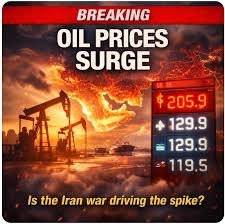
International cooperation also plays a role in stabilizing energy markets during crises. Organizations like Organization of the Petroleum Exporting Countries (OPEC) sometimes adjust production levels to manage supply and reduce extreme price fluctuations. However, geopolitical conflicts can still create uncertainty that affects investor confidence and market stability.
In conclusion, wars in the Middle East have a profound impact on global oil and gas prices because the region plays a crucial role in the world’s energy supply. Disruptions in production, transportation, and trade routes can quickly lead to higher fuel costs worldwide. As countries continue to face such challenges, diversifying energy sources and investing in renewable technologies will become increasingly important for achieving long-term energy security and economic stability.

