
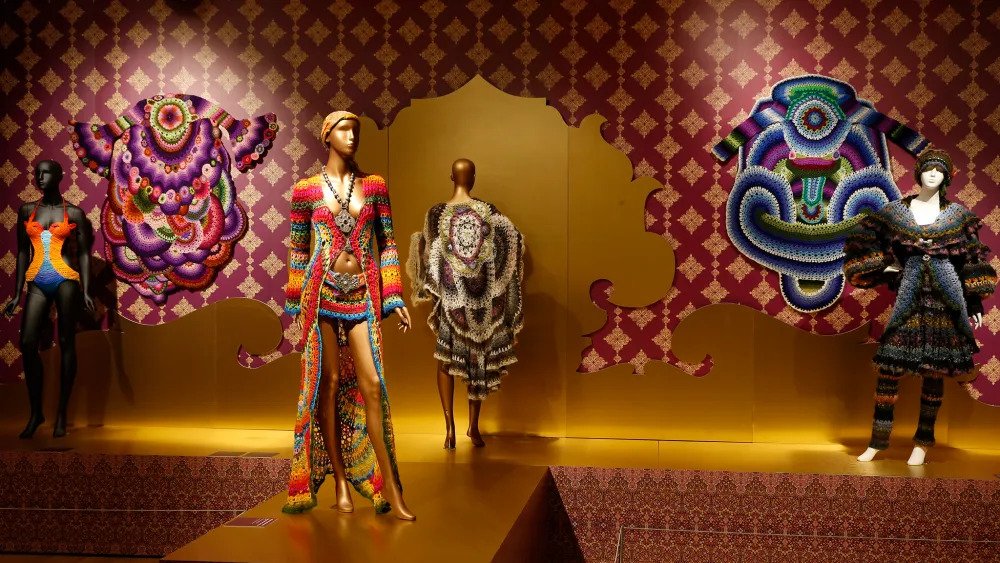

In today’s world of mass production and fast fashion, handmade fashion has emerged as a refreshing and meaningful alternative. While many clothing items are produced quickly and in large quantities, handmade fashion focuses on craftsmanship, creativity, and individuality. From hand-stitched garments to carefully woven fabrics, handmade fashion celebrates the skill and dedication of artisans who bring unique designs to life.
Handmade fashion refers to clothing, accessories, and textiles that are crafted by hand rather than manufactured through automated industrial processes. Artisans invest time, patience, and creativity into every piece they create, ensuring that each item carries a personal touch. Unlike factory-made garments that often look identical, handmade pieces are unique, making them highly valued by those who appreciate authenticity and originality.
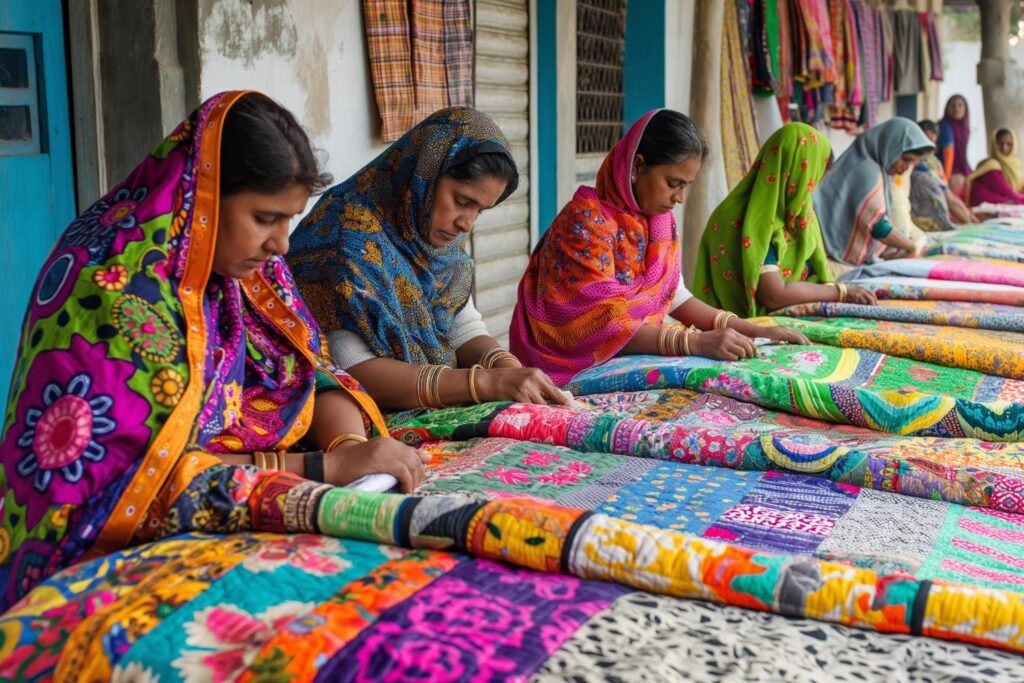
One of the most significant advantages of handmade fashion is its focus on quality. Because artisans carefully construct each item, they pay close attention to details such as stitching, fabric choice, and finishing. This results in garments that are often more durable and long-lasting than many mass-produced alternatives. Consumers who choose handmade fashion often find that their clothing not only looks distinctive but also maintains its quality over time.
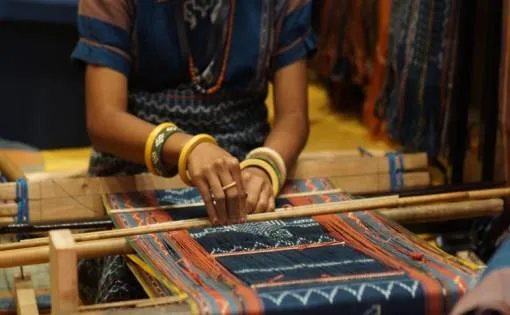
Handmade fashion also plays an important role in preserving traditional crafts and cultural heritage. Across the world, many communities continue to practice age-old textile techniques passed down through generations. For example, the intricate weaving techniques used in Handloom weaving reflect centuries of craftsmanship and storytelling. In India, techniques such as Block printing and Embroidery remain integral to handmade fashion traditions, showcasing the artistic talent of local artisans.
Another important aspect of handmade fashion is its contribution to sustainability. Fast fashion often encourages overconsumption and generates large amounts of waste due to rapidly changing trends and inexpensive production. Handmade fashion, on the other hand, typically emphasizes slow and thoughtful production. Artisans often use natural materials, small-batch production methods, and eco-friendly practices. By purchasing handmade clothing, consumers support a more sustainable and responsible fashion industry.
Handmade fashion also supports local economies and empowers artisans. Many handmade products are created by small businesses, independent designers, and community-based workshops. When consumers choose handmade items, they help sustain traditional livelihoods and provide income to skilled craftspeople. This creates a more ethical supply chain and ensures that artisans receive fair recognition for their work.
The uniqueness of handmade fashion is another reason for its growing popularity. People today increasingly seek clothing that reflects their personality rather than simply following mass-market trends. Handmade garments often feature distinctive patterns, hand-dyed fabrics, and customized designs that make each piece special. Wearing handmade fashion allows individuals to express their personal style while supporting creativity and craftsmanship.
In recent years, social media and online marketplaces have also played a major role in promoting handmade fashion. Platforms allow artisans to showcase their creations to a global audience, making it easier for consumers to discover and purchase unique handmade products. Independent designers now have greater opportunities to share their stories, highlight their techniques, and connect directly with customers who appreciate handcrafted work.
Despite its many benefits, handmade fashion does come with certain challenges. Because each item requires time and effort to produce, handmade garments may be more expensive than mass-produced alternatives. However, many consumers view this as a worthwhile investment, as they are paying for quality, authenticity, and ethical production.
Ultimately, handmade fashion represents more than just clothing—it embodies creativity, culture, and conscious consumption. In a world increasingly dominated by automation and fast-paced production, handmade fashion reminds us of the value of human skill and artistic expression. By choosing handmade garments, consumers not only enjoy unique and high-quality designs but also support the preservation of traditional crafts and sustainable fashion practices.
As awareness of ethical and sustainable fashion continues to grow, handmade fashion is likely to play an even more significant role in shaping the future of the fashion industry.

