
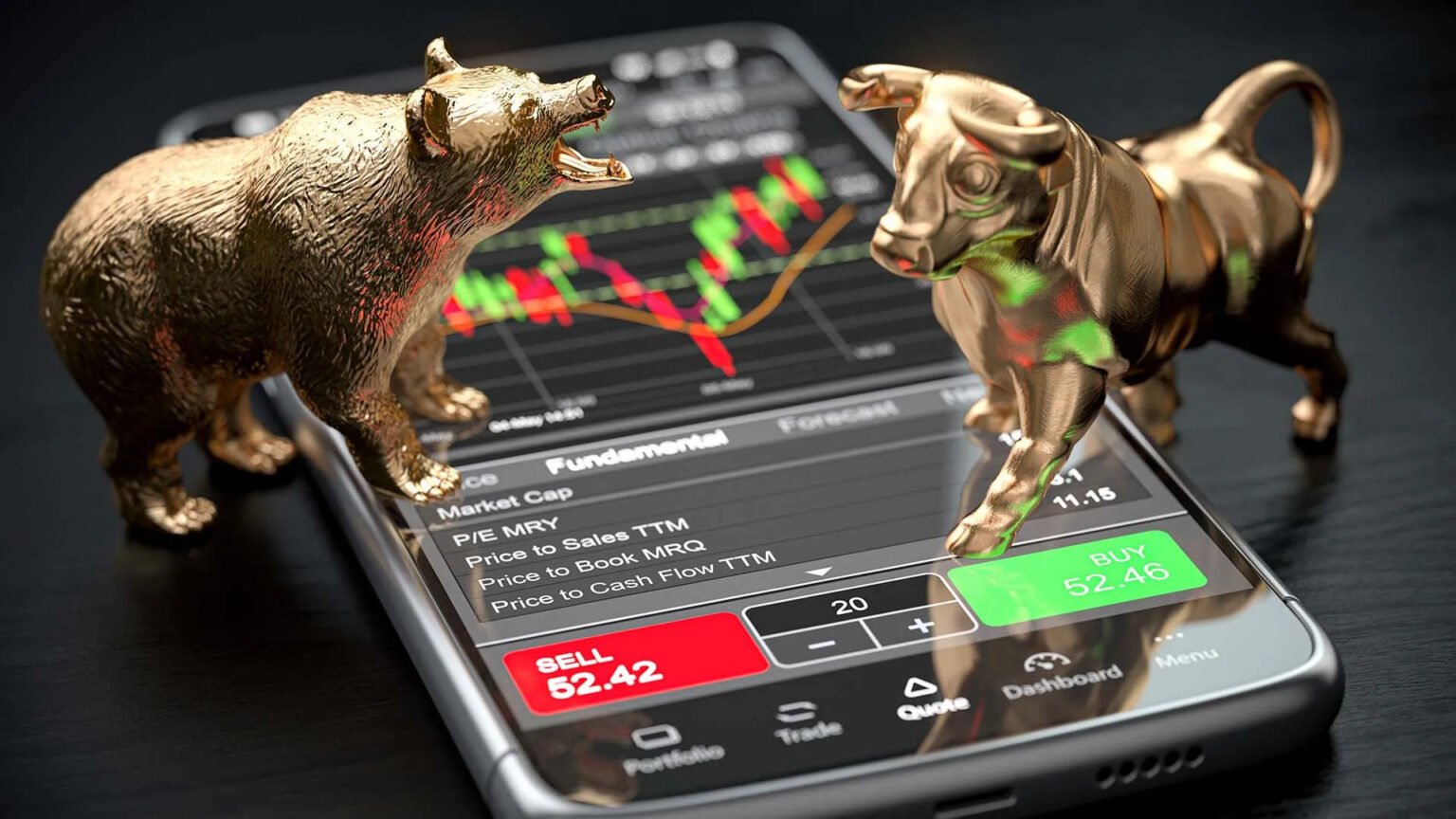

As 2026 unfolds, investors are once again asking the oldest question in the stock market: are we in a bull market poised for further gains, or standing at the edge of a bear market downturn? After several years shaped by inflation shocks, aggressive interest-rate cycles, rapid advances in artificial intelligence, and ongoing geopolitical tensions, market signals in 2026 are mixed — and that uncertainty is shaping investor behaviour across the globe.
The Bullish Case: Resilience and Innovation
Supporters of the bullish outlook point first to corporate earnings resilience. Despite higher borrowing costs compared to the ultra-low-rate era, many large companies — particularly in technology, healthcare and energy — continue to post solid profits. Firms that successfully integrated AI, automation and data analytics are seeing productivity gains, cost reductions and new revenue streams. For bulls, this suggests that innovation is offsetting macroeconomic headwinds.
Another positive signal is labour market stability in several major economies. While hiring has cooled compared to earlier post-pandemic years, unemployment remains relatively low in the United States and parts of Europe. Stable employment supports consumer spending, which remains a critical driver of economic growth and corporate revenues.
Markets are also drawing optimism from central bank messaging. In 2026, interest rates appear closer to a plateau than a peak, with policymakers increasingly focused on maintaining balance rather than aggressive tightening. Even the expectation of future rate cuts — rather than the cuts themselves — has historically been enough to lift investor sentiment and equity valuations.
Finally, global investors are embracing selective risk-taking. Capital continues to flow into growth-oriented sectors such as AI infrastructure, renewable energy, defence technology and cybersecurity. For bulls, this indicates confidence that long-term structural trends remain intact, even if short-term volatility persists.
The Bearish Case: Valuations, Debt and Geopolitics
On the other side of the debate, bears argue that markets in 2026 are showing classic warning signs. One of the most cited concerns is valuation pressure, particularly in technology stocks. After years of strong performance, price-to-earnings ratios in certain sectors appear stretched, leaving little room for disappointment if earnings growth slows.
Global debt levels are another red flag. Governments, corporations and households entered 2026 carrying historically high debt burdens. Higher interest rates mean refinancing is more expensive, increasing the risk of defaults, reduced investment and slower economic growth. Bears warn that even a mild economic slowdown could expose weaknesses hidden by years of cheap credit.
Geopolitical instability also weighs heavily on market sentiment. Tensions involving major powers, trade disputes and regional conflicts continue to disrupt supply chains and energy markets. These risks are difficult to price and can trigger sudden market sell-offs, even when economic data appears stable.

There is also growing concern about market concentration. A relatively small number of mega-cap stocks have driven a disproportionate share of recent gains. If investor confidence in these market leaders falters, broader indices could fall quickly, amplifying downside risk.
Key Signals Investors Are Watching
In 2026, investors are closely monitoring several indicators to determine which narrative will prevail:
- Earnings guidance: Forward-looking statements from companies are becoming more cautious, signalling slower growth ahead.
- Yield curves: While not as inverted as in prior years, bond markets still suggest economic uncertainty.
- Volatility levels: Periodic spikes in volatility hint at fragile confidence beneath the surface.
- Capital rotation: Money moving from high-growth stocks into defensive sectors suggests risk awareness rather than outright fear.
So, Bull or Bear? A Market in Transition
The most accurate answer may be neither fully bull nor fully bear. Instead, 2026 appears to be a transition year, where optimism about innovation and long-term growth collides with concerns about valuations, debt and global stability. This is not a market driven by blind enthusiasm or widespread panic, but by selectivity and caution.
For investors, the message is clear: flexibility matters. Chasing hype without regard for fundamentals is risky, but sitting entirely on the sidelines carries its own cost. Diversification, disciplined risk management and a long-term perspective remain the most reliable strategies in an environment where signals are mixed and certainty is scarce.
In 2026, the market isn’t shouting bull or bear — it’s whispering something more nuanced: stay alert, stay informed, and don’t assume the past will neatly predict the future.

