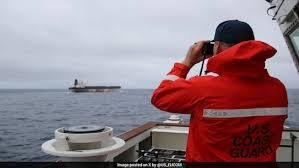

The seizure of the Marinera, a Russian-flagged oil tanker, has become a defining moment in today’s global struggle over energy, sanctions, and power. While the incident unfolded far from land in the Atlantic Ocean, its significance stretches across continents. At its core, the Marinera case shows how oil has become a strategic weapon and how sanctions enforcement is moving into more aggressive territory.
The Marinera was reportedly linked to oil shipments connected to sanctioned networks involving Russia and Venezuela. Both countries face U.S. sanctions—Russia due to its ongoing war in Ukraine, and Venezuela over political and human rights concerns. These sanctions are designed to restrict access to global markets, especially oil revenues, which are crucial for government funding. According to U.S. officials, the tanker was suspected of helping move oil in ways that bypassed these restrictions.
One of the key elements in the Marinera story is the use of so-called “shadow fleet” tactics. In recent years, sanctioned states have increasingly relied on tankers that change names, flags, ownership structures, and shipping routes to hide their activities. These vessels often operate with limited transparency and may disable tracking systems to avoid monitoring. The Marinera was allegedly part of this pattern, raising red flags for U.S. authorities.
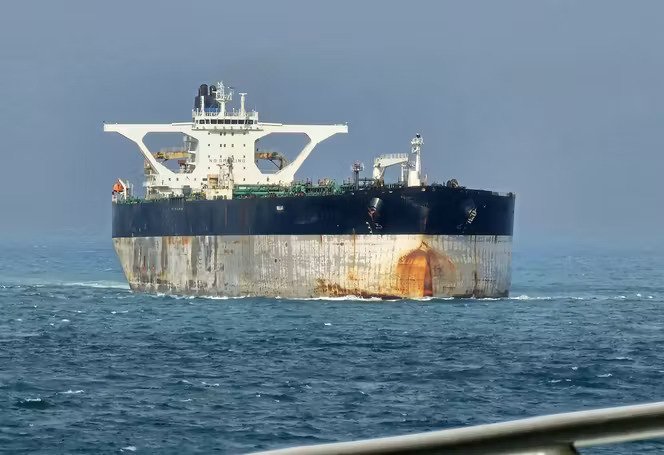
From the U.S. perspective, seizing the tanker was about more than stopping a single shipment. It was a strategic move meant to reinforce the credibility of sanctions. Sanctions only work if violations carry consequences. Allowing ships like the Marinera to operate freely would weaken enforcement and encourage others to do the same. By acting decisively, the U.S. aimed to signal that it is willing to pursue sanctions violators even in international waters.
Russia strongly condemned the seizure, calling it a violation of international maritime law. Russian officials argued that civilian vessels operating on the high seas are protected under the principle of freedom of navigation. The incident reportedly led to increased Russian naval monitoring in the area, underscoring how quickly economic enforcement actions can escalate into military and diplomatic tensions.
The Marinera seizure also highlights how central oil remains to global geopolitics. Despite growing interest in renewable energy, oil continues to shape international power dynamics. Countries that control energy flows gain leverage, while those cut off from markets seek alternative methods to sell their resources. Sanctions targeting oil exports aim to apply economic pressure, but they also push sanctioned states to innovate and cooperate with each other.
For the global shipping industry, the incident raises serious concerns. Commercial operators must now consider the legal and political risks of transporting oil linked to sanctioned countries. Insurance premiums may rise, and shipping routes may shift as companies try to avoid entanglement in geopolitical disputes. This added uncertainty can affect global energy supply chains and contribute to market volatility.
There is also an ongoing debate about the broader implications of such seizures. Supporters argue that strong enforcement is necessary to uphold international norms and prevent sanctioned governments from undermining global rules. Critics warn that unilateral actions could erode international law and set dangerous precedents, especially if other powerful states follow similar approaches.
In conclusion, the seizure of the Marinera tanker is not just a maritime incident—it is a snapshot of today’s global power struggle. It reveals how oil, sanctions, and strategy are deeply intertwined, and how economic tools are increasingly enforced through physical action. As geopolitical tensions continue to rise, the Marinera case may be remembered as a turning point in how nations enforce sanctions and project power far beyond their borders.

