
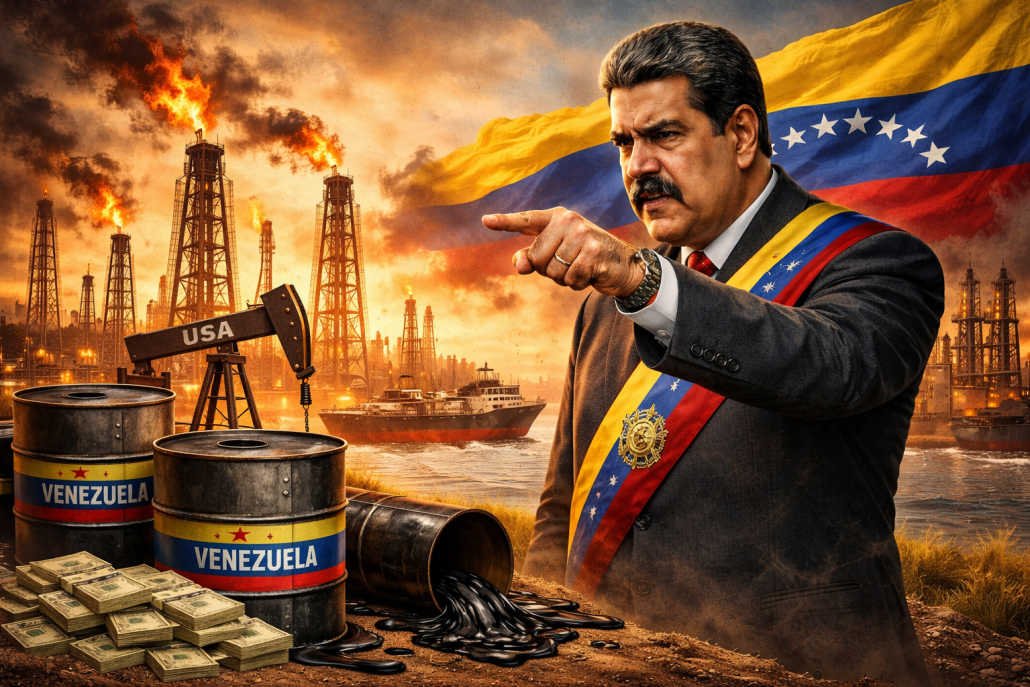
By using this site, you agree to the Privacy Policy and Terms of Use.
Accept
skimlet.com
  • Home
  • Drive Sail & Fly
    Drive Sail & Fly
    Show More
    Top News
    Latest News
  • Ecommerce
    Ecommerce
    Music expresses feeling and thought, without language. It was below and before speech, and it is above and beyond all words.
    Show More
    Top News
    How Much Does It Cost to Start an Online Store?
    December 26, 2025
    How to Survive and Succeed During Market Downturns
    January 13, 2026
    Stock Market Trends to Watch in 2025
    January 13, 2026
    Latest News
    How Food Apps Support Small Businesses
    February 13, 2026
    Why Your Content Isn’t Getting Attention
    January 29, 2026
    Beginner’s Guide to Investing With ₹10,000: Start Small, Think Smart
    January 17, 2026
    Stop & Shop: More Than a Grocery Store — A Community Cornerstone
    January 13, 2026
  • Fashion
  • Food & Drink
  • Homes & Gardens
  • News & Sports
  • Softwares
  • Style & Beauty
  • Travel
Reading: Oil, Power, and Politics: Why Venezuela Matters to the U.S.
skimlet.comskimlet.com
Font ResizerAa
Search
Follow US
© 2025 Skimlet. All Rights Reserved | Crafted by Developer Mods
skimlet.com > Blog > News & Sports > Oil, Power, and Politics: Why Venezuela Matters to the U.S.
News & Sports

Oil, Power, and Politics: Why Venezuela Matters to the U.S.

And then there is the most dangerous risk of all, the risk of spending your life not doing what you want on the bet you can buy yourself the freedom to do it later.

Amanda Core
By Amanda Core January 5, 2026 4 Min Read
Share
SHARE

Venezuela has long been an important country in the eyes of the United States, not because of its size or military strength, but because of its oil, its political direction, and its influence in Latin America. The relationship between the two nations has shifted over time, moving from cooperation to tension. To understand why Venezuela matters so much to the U.S., it is important to look at how oil, power, and politics intersect.

First, oil is the foundation of Venezuela’s global importance. Venezuela has the largest proven oil reserves in the world, even larger than those of Saudi Arabia. For much of the 20th century, the United States relied heavily on Venezuelan oil because it was geographically close, relatively cheap to transport, and compatible with U.S. refineries. American oil companies operated extensively in Venezuela, and oil trade helped fuel economic ties between the two countries. Because energy security is a major concern for the U.S., any country with such vast oil reserves naturally becomes strategically important.
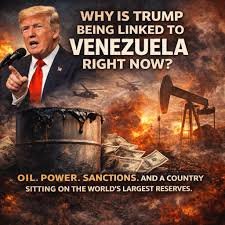
However, oil is not just an economic resource—it is also a political tool. When Venezuela elected Hugo Chávez in 1998, the country began moving toward socialist policies. Chávez nationalized major industries, including oil, and reduced the role of U.S. companies. He also used oil revenue to fund social programs and to build alliances with countries that opposed U.S. influence, such as Cuba, Russia, and China. From the U.S. perspective, this shift threatened both economic interests and political influence in the region.

Politics deepened the divide. The United States has traditionally supported democratic systems that align with its own political and economic values. Venezuelan leaders after Chávez, especially Nicolás Maduro, have been accused by the U.S. and other countries of undermining democratic institutions, limiting press freedom, and manipulating elections. As a result, the U.S. imposed sanctions aimed at pressuring the Venezuelan government to change course. These sanctions targeted government officials and the oil industry, which is the backbone of Venezuela’s economy.

Power dynamics in Latin America also explain why Venezuela matters. The U.S. has long viewed the region as strategically important, and it has worked to limit the influence of rival global powers there. Venezuela’s partnerships with Russia, China, and Iran challenge U.S. dominance in the Western Hemisphere. By providing loans, military cooperation, and oil deals, these countries have gained a foothold close to U.S. borders. For Washington, Venezuela represents a broader geopolitical struggle, not just a bilateral disagreement.

At the same time, the crisis in Venezuela has humanitarian consequences that affect the United States directly. Economic collapse and political instability have caused millions of Venezuelans to leave their country, creating one of the largest migration crises in the world. Some of these migrants eventually reach the U.S. border, making Venezuela an issue in American domestic politics as well. U.S. leaders must balance foreign policy goals with concerns about immigration and human rights.

In conclusion, Venezuela matters to the United States because it sits at the crossroads of oil wealth, political ideology, and regional power. Its vast energy resources influence global markets, its political choices challenge U.S. values and interests, and its alliances affect the balance of power in the Americas. While the relationship between the two countries has been marked by conflict in recent years, understanding these underlying factors helps explain why Venezuela continues to be a major focus of U.S. foreign policy.


You Might Also Like

Clash Between Pakistan and Afghanistan on 26 February 2026: A Region on Edge

ICC Men’s T20 World Cup 2026: Unpredictable Twists and High-Stakes Cricket

Iran–US Tensions: A Deepening Standoff with Global Stakes

The Countdown to the ICC Men’s T20 World Cup 2026: A Festival of Cricket Awaits

Fiido Bikes: Pioneering Practical E-Mobility for Today’s Riders

TAGGED: Economy, Global crisis, Oil, World news
SOURCES: rubynews.com, timenews.com
VIA: ThemeRuby, MarsNews
Share This Article
Facebook Twitter Email Copy Link Print
Leave a comment

Leave a Reply Cancel reply

Your email address will not be published. Required fields are marked *

More Popular from Foxiz

Food & Drink

Best Summer Drinks to Beat the Heat

By Amanda Core 5 Min Read

Freelancing: The Modern Path to Freedom and Opportunity

By Amanda Core
News & Sports

Clash Between Pakistan and Afghanistan on 26 February 2026: A Region on Edge

By Amanda Core 5 Min Read
- Advertisement -
Ad image
Food & Drink

Best Summer Drinks to Beat the Heat

When the temperature rises and the days grow longer, nothing feels better than sipping on a…

By Amanda Core
Fashion

Korean Fashion for Men: Where Street Style Meets Sophistication

Over the past decade, Korean men’s fashion has transformed from a regional trend into a global…

By Amanda Core
News & Sports

ICC Men’s T20 World Cup 2026: Unpredictable Twists and High-Stakes Cricket

The ICC Men’s T20 World Cup 2026 has delivered everything fans expect from the shortest format…

By Amanda Core
News & Sports

Iran–US Tensions: A Deepening Standoff with Global Stakes

In 2026, relations between Iran and the United States have reached one of their most volatile…

By Amanda Core
Food & Drink

Street Food vs Fine Dining: What Defines Authentic Flavor?

Food is more than nourishment — it is memory, culture, identity, and emotion served on a…

By Amanda Core
skimlet.com

Skimlet can be positioned as a multi-niche content-driven website publisher, monetizing through affiliate marketing, ads, and sponsored content. It can cover various categories, attracting diverse audiences and maximizing revenue streams.

Categories

  • Home
  • Drive Sail & Fly
  • Ecommerce
  • Fashion
  • Food & Drink
  • Homes & Gardens
  • News & Sports
  • Softwares
  • Style & Beauty
  • Travel

Quick Links

  • About Us
  • Contact Us
  • Terms & Conditions
  • Privacy & Policy

© 2025 Skimlet. All Rights Reserved | Crafted by Developer Mods

Welcome Back!

Sign in to your account

Lost your password?