
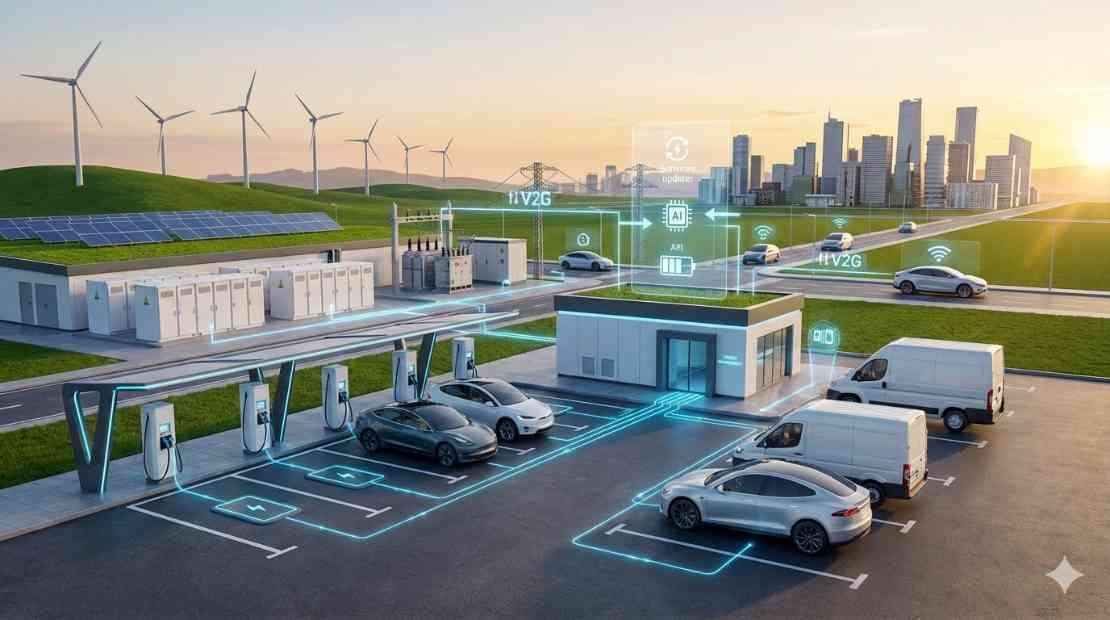

The global automotive industry is undergoing a revolutionary transformation, and electric vehicles (EVs) are at the center of this change. With rising concerns about climate change, air pollution, and dependence on fossil fuels, EV innovation has accelerated rapidly over the past decade. Governments, technology companies, and automobile manufacturers are investing heavily in research and development to make electric vehicles more efficient, affordable, and accessible. As a result, EV technology is evolving at an unprecedented pace, shaping the future of sustainable transportation.
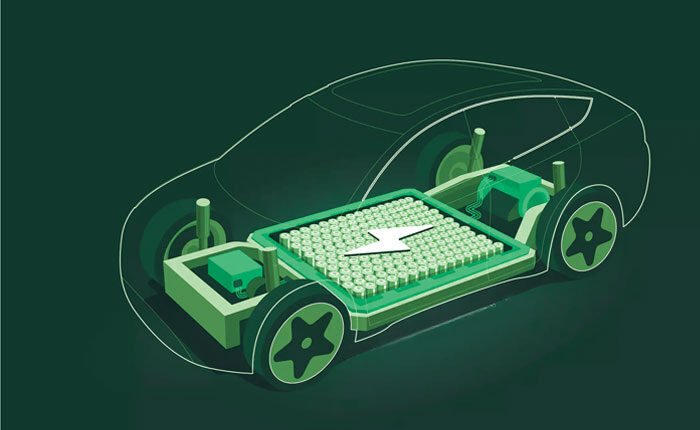
One of the most significant innovations in electric vehicles is advanced battery technology. Batteries are the heart of an EV, and improvements in battery design have dramatically enhanced vehicle performance and range. Lithium-ion batteries have become the industry standard due to their high energy density and longer lifespan. Companies such as Tesla and BYD are investing in next-generation battery technologies like solid-state batteries, which promise faster charging times, increased safety, and longer driving ranges. These advancements are helping to eliminate one of the biggest concerns for EV users—range anxiety.
Another important innovation is the development of fast-charging infrastructure. Early EVs required several hours to charge, making them less convenient for long-distance travel. Today, ultra-fast charging stations can charge vehicles to 80% capacity in as little as 20–30 minutes. Companies such as ChargePoint and ABB are building extensive charging networks across cities and highways. In countries like India, governments are actively supporting the installation of EV charging stations through initiatives like the FAME India Scheme, which aims to accelerate EV adoption.
Innovation in EV design and manufacturing is also transforming the automotive industry. Many manufacturers are using lightweight materials such as aluminum and carbon fiber to improve vehicle efficiency and battery performance. Additionally, electric vehicles require fewer mechanical components than traditional internal combustion engine vehicles, allowing manufacturers to design more compact and efficient systems. Companies like Rivian and Lucid Motors are redefining EV design by combining sustainability with luxury and high performance.
Software integration is another major area of innovation in electric vehicles. Modern EVs are increasingly becoming “smart vehicles” equipped with advanced software systems, connectivity features, and autonomous driving capabilities. For instance, Tesla has introduced over-the-air software updates that allow vehicles to receive new features and performance improvements without visiting a service center. This software-driven approach not only enhances user experience but also extends the lifespan and value of the vehicle.
Autonomous driving technology is also closely linked with EV innovation. Many EV manufacturers are integrating artificial intelligence and sensor-based systems to develop self-driving capabilities. Companies such as Waymo and NVIDIA are working on advanced driver-assistance systems that can improve road safety and reduce human error. While fully autonomous vehicles are still under development, these innovations represent an important step toward smarter and safer transportation systems.
Furthermore, EV innovation is expanding beyond passenger cars. Electric buses, trucks, and two-wheelers are becoming increasingly common, especially in urban environments. In countries like India, electric scooters and bikes are gaining popularity due to their affordability and low maintenance costs. Companies such as Ola Electric and Ather Energy are leading this transformation by introducing technologically advanced electric two-wheelers designed for modern city commuting.
Despite these advancements, challenges still remain. High initial costs, limited charging infrastructure in some regions, and battery recycling issues need to be addressed for EVs to achieve widespread adoption. However, ongoing technological innovation and supportive government policies are steadily overcoming these barriers.
In conclusion, innovation in electric vehicles is revolutionizing the way people travel. With breakthroughs in battery technology, charging infrastructure, software integration, and autonomous systems, EVs are becoming more practical and appealing for consumers worldwide. As technology continues to evolve, electric vehicles will play a crucial role in creating a cleaner, more sustainable, and smarter transportation ecosystem for future generations.

