
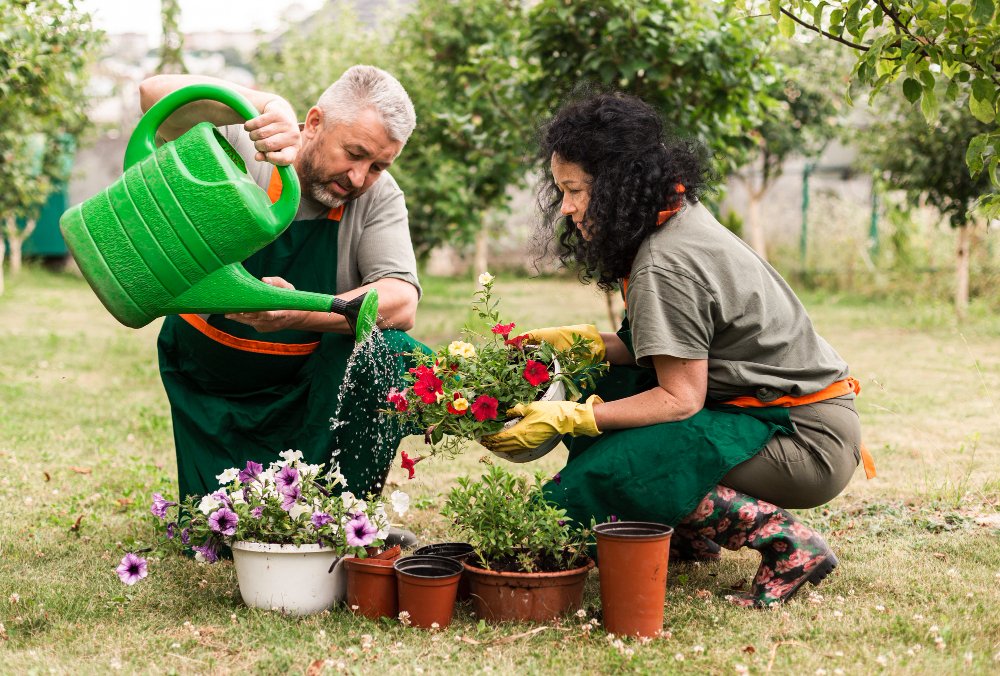

Growing vegetables at home has become increasingly popular in recent years. With rising concerns about food quality, chemical use in farming, and the desire for a healthier lifestyle, many people are turning to home gardening as a practical and rewarding solution. Homegrown vegetables are not only fresh and nutritious, but they also provide a sense of satisfaction that comes from cultivating your own food.
Whether you have a large backyard, a small terrace, or even a balcony, growing vegetables at home is easier than many people think. With the right planning and a little care, anyone can start their own vegetable garden.
Benefits of Growing Vegetables at Home
One of the biggest advantages of homegrown vegetables is freshness. Vegetables harvested directly from your garden are much fresher than those purchased from supermarkets. Since they are picked at the right time, they retain more nutrients and flavor.
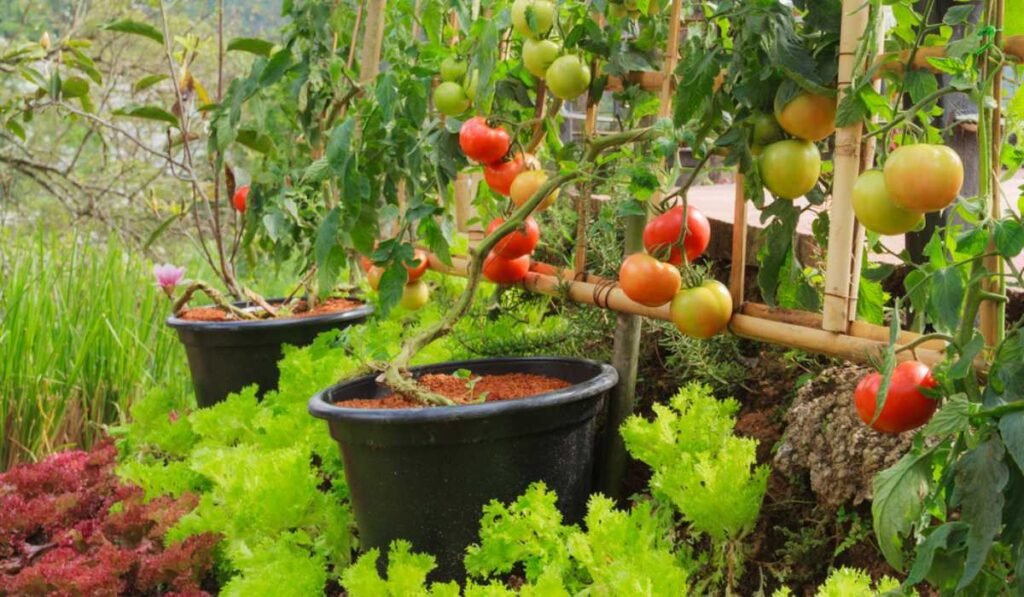
Another important benefit is the ability to control what goes into your food. When you grow vegetables at home, you can avoid harmful pesticides and chemicals often used in large-scale farming. Many home gardeners prefer organic methods, using natural fertilizers and compost to enrich the soil.
Home gardening also helps reduce grocery expenses. While the initial setup may require some investment in pots, soil, and seeds, the long-term savings can be significant. A small garden can produce herbs, leafy greens, and seasonal vegetables regularly.
Additionally, gardening can be a relaxing and therapeutic activity. Spending time caring for plants can reduce stress, improve mood, and provide a peaceful break from daily routines.
Easy Vegetables to Grow at Home
If you are new to gardening, starting with easy-to-grow vegetables is the best approach. Some vegetables require minimal care and grow quickly.
Tomatoes are one of the most popular vegetables grown at home. They grow well in pots and containers and can produce a generous harvest during the season. Cherry tomatoes, in particular, are easy to maintain.
Spinach and other leafy greens are also excellent choices for beginners. They grow quickly and can be harvested multiple times. Lettuce, coriander, and mint are also ideal for small spaces and balcony gardens.
Chilies and peppers are another common homegrown vegetable. These plants are compact and can thrive in containers with proper sunlight and watering.
Radishes, carrots, and beans are also simple to grow and provide a satisfying harvest for home gardeners.
Starting Your Home Garden
Starting a home vegetable garden does not require extensive knowledge or equipment. The first step is choosing a suitable location that receives enough sunlight. Most vegetables need at least five to six hours of sunlight daily.
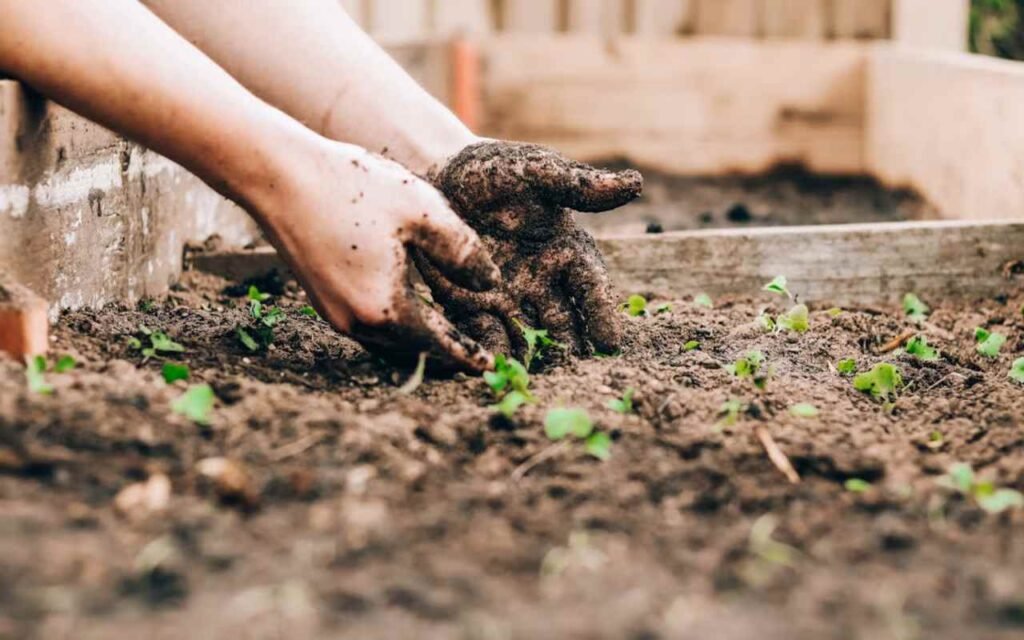
Next, choose containers, pots, or garden beds depending on your available space. Good-quality soil is essential for healthy plant growth. Mixing garden soil with compost or organic fertilizer helps provide nutrients that plants need.
Selecting good seeds or seedlings is also important. Many gardening stores offer seeds specifically designed for home gardening.
Regular watering is necessary, but overwatering should be avoided. Proper drainage ensures that plants do not suffer from root rot.
It is also helpful to monitor plants regularly for pests or diseases and address issues early.
The Joy of Harvesting Your Own Food
One of the most rewarding aspects of growing vegetables at home is harvesting them. Watching a plant grow from a small seed into a healthy vegetable-producing plant brings a deep sense of accomplishment.
Freshly harvested vegetables often taste better than store-bought ones because they are consumed soon after picking. They also encourage healthier eating habits, as people are more likely to include fresh vegetables in their meals.
Homegrown vegetables can also inspire creativity in cooking. From fresh salads to homemade sauces and stir-fries, the possibilities are endless.
Conclusion
Homegrown vegetables offer numerous benefits, including better nutrition, reduced chemical exposure, cost savings, and the joy of gardening. Even a small garden can produce fresh and healthy vegetables for everyday meals.
In today’s fast-paced world, growing your own food reconnects people with nature and promotes a healthier lifestyle. With a little effort and patience, anyone can enjoy the rewarding experience of cultivating their own homegrown vegetables.

