


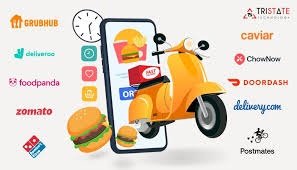
In the digital age, technology has opened doors for businesses of all sizes. For small restaurants, home-based kitchens, and local cafés, food delivery apps have become powerful tools for growth and survival. Platforms like Uber Eats, Zomato, Swiggy, and DoorDash have changed the way small food businesses connect with customers. Instead of relying only on walk-in traffic, small vendors can now reach thousands of potential buyers with just a few clicks.
Expanding Customer Reach
One of the biggest challenges for small food businesses is visibility. Many local restaurants struggle to compete with large chains that have bigger marketing budgets and prime locations. Food apps help level the playing field by listing small businesses alongside well-known brands. When customers browse through the app, they can discover hidden gems in their area that they might not have noticed otherwise.
With location-based services and personalized recommendations, these platforms help small businesses reach nearby customers actively searching for food. This increased exposure often leads to higher sales and brand recognition.
Cost-Effective Marketing
Traditional marketing methods such as billboards, newspaper ads, and television commercials can be expensive for small businesses. Food delivery apps offer built-in marketing tools at a lower cost. Restaurants can promote special offers, discounts, and new menu items directly within the app. Featured listings, sponsored promotions, and customer reviews also help attract more orders.
Customer ratings and feedback play an important role in building trust. Positive reviews can significantly boost a small business’s reputation. Since many customers rely on ratings before placing an order, maintaining quality and good service can quickly translate into increased demand.
Lower Operational Barriers
Opening a new restaurant branch requires significant investment in rent, furniture, staff, and utilities. Food apps reduce the need for physical expansion by enabling online-only operations. This has led to the rise of cloud kitchens—kitchens that operate solely for delivery. Small entrepreneurs can start with a limited budget, focusing mainly on food preparation and quality.
By reducing the need for dine-in space and front-of-house staff, small businesses can lower their operational costs. This model is especially beneficial for home chefs and startups testing new concepts. They can experiment with menus and pricing without the financial risks of a traditional restaurant setup.
Access to Data and Insights

Another advantage food apps provide is access to valuable customer data. Small businesses can track which dishes are popular, identify peak ordering times, and understand customer preferences. These insights help restaurant owners make smarter business decisions, such as adjusting menu prices, improving recipes, or launching targeted promotions.
Data-driven strategies were once available only to large corporations. Now, even small food vendors can use analytics to optimize their operations and increase profitability.
Support During Difficult Times
Food delivery apps proved particularly valuable during challenging periods such as the COVID-19 pandemic. When dine-in services were restricted, online delivery became a lifeline for small restaurants. Many businesses that might have closed permanently managed to survive by shifting their focus to app-based orders.
Beyond emergencies, food apps continue to provide stability by offering an additional revenue stream. Even when foot traffic is slow, online orders can keep the business running.
Building Brand Identity
While food apps operate as third-party platforms, they also give small businesses opportunities to build their brand identity. High-quality photos, detailed descriptions, and consistent packaging help create a professional image. Social media integration further allows businesses to connect directly with customers and encourage repeat orders.
Over time, loyal customers may begin to recognize and prefer specific small brands, leading to steady growth and independence.
Challenges to Consider
Despite the benefits, small businesses must also manage certain challenges. Commission fees charged by delivery platforms can reduce profit margins. Maintaining consistent food quality during delivery and handling customer complaints efficiently are equally important. However, with careful planning and strong customer service, these challenges can be managed effectively.
Conclusion
Food delivery apps have become more than just convenient tools for customers—they are growth engines for small businesses. By expanding market reach, reducing operational costs, offering marketing support, and providing valuable insights, these platforms empower local food entrepreneurs to compete in a digital marketplace. As technology continues to evolve, food apps will likely play an even greater role in helping small businesses thrive in an increasingly competitive industry.

