
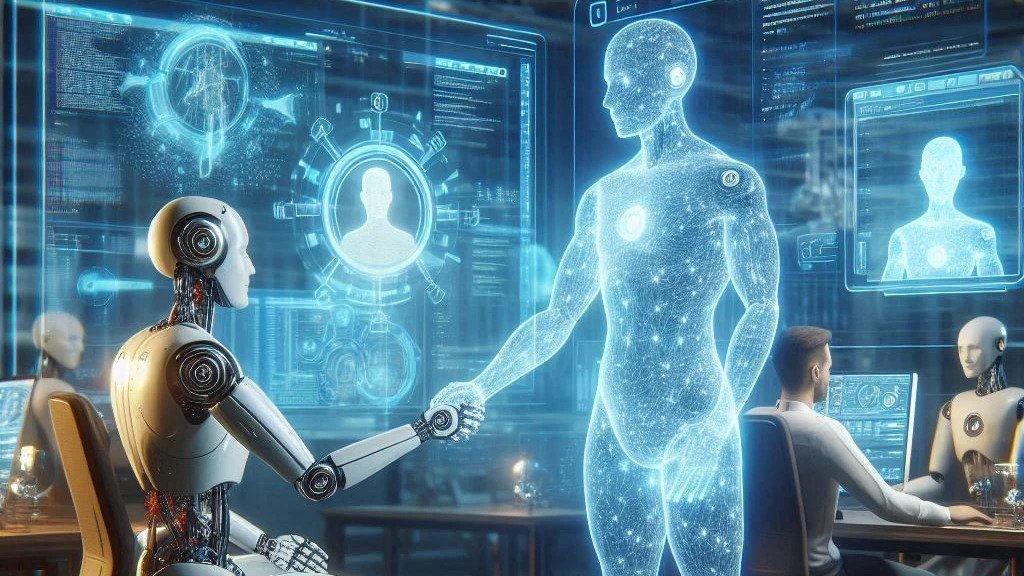

Imagine walking into your home after a long day and having a robot greet you, schedule your meetings, remind you about your to-dos, manage your emails, and maybe even make you a cup of tea. With rapid progress in AI and robotics, this sci-fi vision isn’t entirely far-fetched — but the real answer to whether robots can replace personal assistants is more nuanced.
In this blog, we’ll explore where the technology stands today, what robots can realistically do, and why they are unlikely to fully replace human personal assistants anytime soon.
🤖 What a Robot Personal Assistant Can Do Today
Modern robot assistants are moving beyond simple task automation. Unlike early tools that merely followed basic commands, some advanced systems can:
- Learn and adapt to human routines
- Automate household tasks like monitoring environments and providing reminders
- Respond to natural language commands
- Integrate with smart home and productivity tools to manage schedules and reminders
Experts predict that consumer-grade robot assistants will soon perform multiple functions — scheduling, monitoring, and even interacting conversationally — in a single device, without needing complex programming.
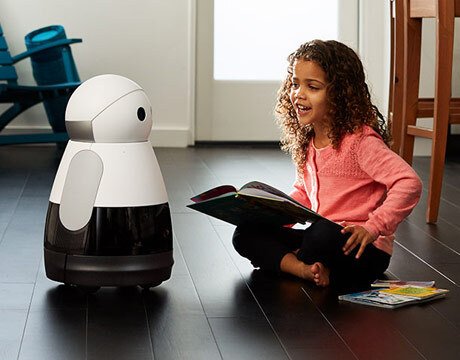
There are even examples of robot platforms designed as personal robots for interaction and assistance, equipped with sensors and AI allowing them to assist with basic tasks and interaction.
📈 Progress in Robotics and AI
Major companies are investing heavily in robotics that go beyond novelty:
- Startups are training robots to learn autonomously from video and sensor data, reducing the need for constant human input — a step toward more capable autonomous assistants.
- Tech giants like Meta are also developing humanoid robotics infrastructure that could underpin future home assistants.
AI advancements — particularly in natural language processing and world modeling — are further enabling virtual assistants to perform tasks that previously required human judgement. Some futurists say that very advanced assistants could integrate ambient AI and robot hardware to act more proactively in our daily lives.
💡 Why Robots Might Take On Assistant Tasks
There are clear advantages to robotic assistants:
1. Routine Task Automation
Robots can handle predictable, repeated tasks such as reminders, basic scheduling, and environmental monitoring without fatigue.
2. Speed and Precision
For tasks like checking schedules, managing email, or fetching stored information, robots paired with AI can operate faster than human assistants.
3. 24/7 Availability
Robotic systems don’t need sleep and can continuously monitor or act on tasks, especially in homes or workplaces with smart connectivity.
These strengths indicate a future where robots augment or assist personal assistants rather than fully displace them.
🤷♂️ Why Robots Won’t Fully Replace Human Assistants — At Least Not Soon
Despite rapid progress, there are several key reasons why human personal assistants remain difficult to replace entirely:
🧠 Human Touch and Context
Humans excel at nuanced decision-making, empathy, and understanding interpersonal contexts in ways robots currently cannot fully replicate. Emotional intelligence isn’t just “nice to have” — in assistant roles it’s often essential.
💬 Complex Judgment Calls
Personal assistants often juggle conflicting tasks, adjust strategies based on mood or preferences, and make discretionary calls that go beyond rigid algorithms. Robots still struggle with unpredictable social environments and ambiguity.
🎯 The Personal in “Personal Assistant”
Part of the job involves understanding personal behavioral cues, preferences, and etiquette — the intuitive judgments humans naturally make. Robots may learn patterns, but they lack human intuition and cultural understanding.
In fact, many professionals argue that AI will enhance the role of personal assistants rather than make them obsolete, helping them focus on higher-value tasks while automating more mundane work.
🤖 A Hybrid Future: Robots + Humans
Rather than complete replacement, a more likely scenario is this:
- Routine tasks automated — robots handle reminders, data retrieval, and repetitive chores
- Humans focus on empathy, strategy, relationships — assistants interpret, decide, and personalize
- AI tools enhance performance — assistants use smart systems to deliver better outcomes
This hybrid model matches trends seen in broader workforce transformation, where automation augments rather than replaces human roles.
🔮 Final Thoughts
So, can robots replace personal assistants? The short answer: Not entirely — at least not yet. While robots and AI are increasingly capable of handling many assistant-like duties, they struggle with deep human understanding, emotional intelligence, and complex social judgment that real personal assistants provide.
Instead of replacement, what we’re most likely to see in the coming decade is collaboration — robots and AI handling routine and repetitive tasks, with humans focusing on creative, strategic, and interpersonal aspects of the job.
As robotics and AI continue evolving, the role of a personal assistant will transform, becoming more efficient and sophisticated — but the human element is likely here to stay for a long time. 🤖✨

