


Technology is evolving at an unprecedented pace, transforming how we work, communicate, and live. From artificial intelligence to immersive digital experiences, the latest technology trends are not just innovations—they are redefining industries and human behavior. As we step into 2025, several key trends are shaping the future of the digital world.
1. Artificial Intelligence Becomes More Human-Like

Artificial Intelligence (AI) has moved far beyond basic automation. In 2025, AI systems are more context-aware, conversational, and capable of complex decision-making. Generative AI models are being used for content creation, coding, customer support, healthcare diagnostics, and even legal research. Businesses are integrating AI copilots into daily workflows to improve productivity and reduce human effort, making AI an essential digital partner rather than just a tool.
However, there are important limits. AI does not have self-awareness, personal experiences, or moral understanding. It relies on human-created data and goals, which means ethical design and responsible use are crucial. Bias, privacy, and over-reliance on AI remain real concerns.
2. Rise of AI-Powered Automation
Automation is no longer limited to repetitive tasks. With the combination of AI, machine learning, and robotic process automation (RPA), organizations are automating end-to-end business processes. From finance and HR to supply chain management, intelligent automation is reducing costs, minimizing errors, and enabling employees to focus on strategic and creative work.
3. Extended Reality (XR): AR, VR, and MR
Extended Reality—which includes Augmented Reality (AR), Virtual Reality (VR), and Mixed Reality (MR)—is gaining strong momentum. These technologies are transforming education, training, gaming, real estate, and healthcare. Virtual meetings, immersive simulations, and digital twins are becoming more common, offering realistic experiences without physical limitations. As hardware becomes lighter and more affordable, XR adoption is expected to grow rapidly.
4. 5G and the Road to 6G
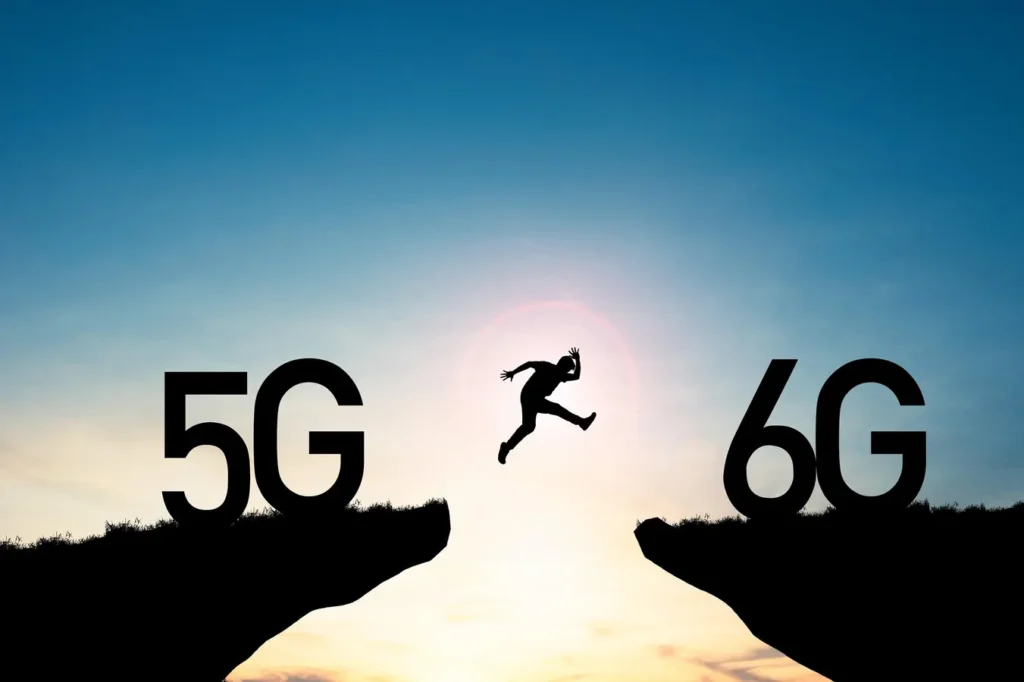
The global expansion of 5G networks has unlocked faster speeds, lower latency, and more reliable connectivity. This has enabled innovations such as smart cities, autonomous vehicles, and real-time IoT applications. Meanwhile, research into 6G has already begun, promising even faster data transmission and seamless integration between the physical and digital worlds in the coming years.
5. Cybersecurity Takes Center Stage
With increased digitalization comes higher security risks. Cybersecurity is now a top priority for businesses and governments. Zero-trust security models, AI-based threat detection, and stronger data encryption are becoming standard practices. As cyber threats grow more sophisticated, proactive and intelligent security solutions are essential to protect sensitive information.

6. Sustainable and Green Technology
Sustainability is driving innovation across the tech industry. Companies are focusing on energy-efficient data centers, green cloud computing, and eco-friendly hardware. Technologies like AI and IoT are also being used to optimize energy usage, reduce carbon footprints, and support climate-friendly initiatives.
Conclusion
The latest technology trends of 2025 highlight a future that is smarter, more connected, and increasingly immersive. As AI, automation, connectivity, and sustainability continue to evolve, staying updated with these trends is crucial for individuals and businesses alike. Embracing technology today is the key to thriving in the digital future.

