

Google is rapidly transforming its hardware strategy with its own custom-designed Tensor chips — a move that’s reshaping how its smartphones and AI-powered features perform. No longer relying solely on third-party silicon, Google’s self-designed Tensor processors are now central to its flagship devices, including the upcoming Pixel 10 series. Here’s what you need to know about this major shift in mobile technology and why it matters.
The Evolution of Google’s Tensor Chips
Google launched its Tensor chip initiative with the Pixel 6 lineup, marking a departure from using primarily off-the-shelf processors. The goal was not just raw performance, but to integrate advanced machine learning and artificial intelligence capabilities directly into its devices — enabling smarter software features that run locally on the phone, not just in the cloud.
Over the years, Tensor has evolved through several generations (G2, G3, G4), each improving efficiency, on-device AI, and overall responsiveness. But the latest generation — Tensor G5 — represents one of the biggest leaps yet.
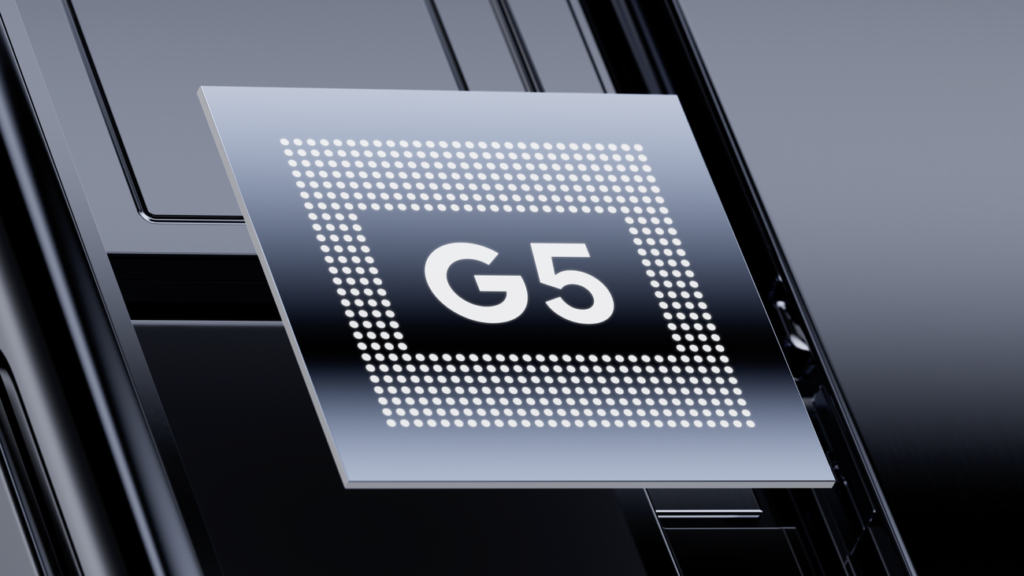
Tensor G5: A Game-Changing Chip for Pixel Devices
The Tensor G5 is set to power the Pixel 10 lineup, including multiple models such as the standard Pixel 10, Pixel 10 Pro, and higher variants. This next-gen silicon is designed to bring significant improvements to performance, energy efficiency, and AI processing.
One of the most important changes is that Tensor G5 is being manufactured by TSMC using its advanced 3 nm process technology — a shift from Google’s previous partnership with Samsung for fabrication. This upgrade means better power efficiency, higher performance per watt, and enhanced thermal management for demanding tasks.
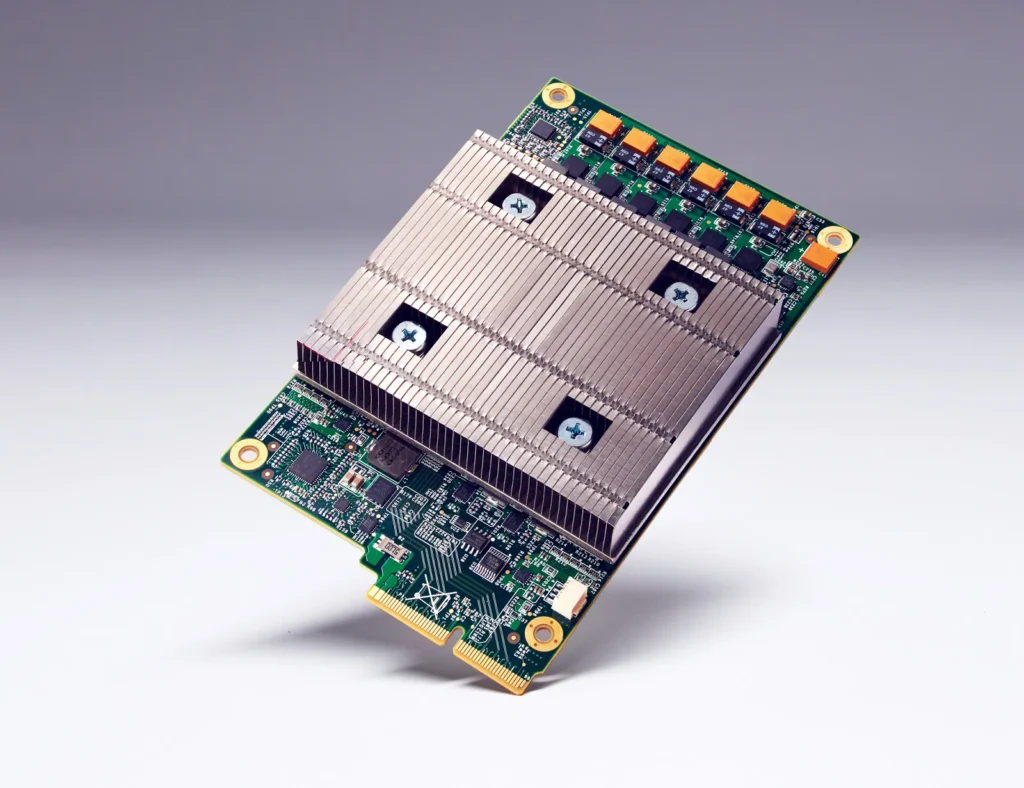
The chip features upgraded CPU cores, a more powerful Tensor Processing Unit (TPU) for on-device AI, and a custom imaging processor that boosts camera quality, low-light performance, and advanced computational photography. These elements are optimized to run Google’s latest AI models right on the device, without as much dependence on cloud processing.
Why Google Built Its Own Silicon
Designing its own system-on-chip (SoC) hardware gives Google two major advantages:
1. Better Integration of AI and Machine Learning
Traditional smartphone chips are designed first for general computing, with AI features added later. In contrast, Google’s Tensor chips place AI workloads at the core. This allows advanced features like real-time translation, enhanced voice recognition, personalized camera experiences, and new generative AI interactions to run faster and more efficiently directly on your device.
2. Greater Control Over Software and Hardware Harmony
By designing the chip in-house, Google can tailor its silicon to Android and its own software stack, much like how Apple builds its chips for iPhones. This deeper control means tighter optimization, fewer bottlenecks, and potentially a longer lifespan for updates and support.
A Multi-Year Roadmap for Tensor Chips
Google isn’t stopping at one chip. Reports indicate that the company has secured long-term plans with TSMC for Tensor chip production stretching multiple future Pixel generations — possibly through the Pixel 14 series and beyond. This multi-year roadmap suggests that Google is in it for the long haul, aiming to strengthen its hardware identity and compete more directly with rivals like Apple and Qualcomm.
This isn’t just about flagship phones. The Tensor platform also sets a foundation for other AI-centric devices, potentially influencing tablets, wearables, and even AR/VR systems as Google expands its hardware ecosystem.
What It Means for Users
For everyday users, Google’s custom Tensor chips translate to:
- Smarter AI features right on the device without heavy reliance on cloud processing.
- Improved performance and responsiveness thanks to better-optimized hardware-software integration.
- Enhanced battery efficiency through more advanced manufacturing and design.
- Superior camera experiences driven by custom imaging processors.
Whether it’s capturing stunning photos, understanding natural language more accurately, or enabling next-generation AI features, Tensor chips are a key part of what makes Pixel devices stand out. As Google refines and expands its chip lineup, the company’s influence on mobile and AI-powered hardware will only continue to grow.
In short, Google’s self-designed Tensor chips are more than just hardware — they’re the backbone of the company’s strategy to bring advanced AI into everyday devices. From faster performance to smarter software experiences, Tensor is powering a new era of intelligent technology

