
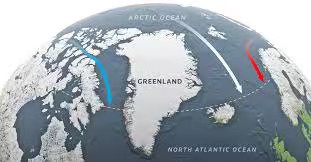

Once seen as a remote, ice-covered island on the edge of the world, Greenland has rapidly emerged as one of the most strategically important regions in global geopolitics. In recent months, it has drawn intense international attention due to rising geopolitical tensions, great-power competition, and renewed debates over sovereignty and security. But why has Greenland suddenly become so important—and why are world powers paying such close attention?
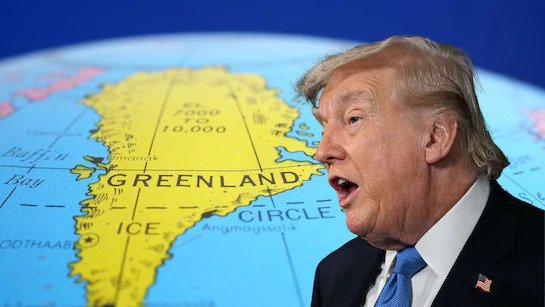
A Strategic Location in a Changing Arctic
Greenland’s geographic position makes it uniquely valuable. Located between North America and Europe, the island sits at the gateway to the Arctic Ocean. As climate change accelerates ice melt, new shipping routes are opening across the Arctic, reducing travel time between major global markets.
This transformation has turned the Arctic from a frozen frontier into a strategic corridor. Greenland now lies at the heart of these emerging routes, making it critical for trade, military movement, and surveillance. Whoever holds influence in Greenland gains a significant advantage in controlling access to the Arctic.
Military and Security Importance
Greenland already plays a role in global security. It hosts key military infrastructure, including early-warning radar systems vital for missile detection and North American defense. As global tensions rise and military technology advances, control over Arctic monitoring systems has become increasingly important.
Concerns about Russia and China’s growing interest in the Arctic have further elevated Greenland’s importance. Western allies see the island as a crucial piece in maintaining security balance in the region, while preventing rival powers from expanding their footprint.
Rare Earth Minerals and Natural Resources
Beyond geography, Greenland is rich in natural resources, including rare earth minerals essential for modern technologies such as electric vehicles, renewable energy systems, smartphones, and defense equipment.
As countries seek to reduce dependence on limited supply chains dominated by a few nations, Greenland’s untapped mineral wealth has become extremely attractive. Access to these resources could shape future economic and technological leadership, making Greenland a key asset in global competition.
Climate Change Is Reshaping Power Dynamics
Climate change is one of the most important drivers behind Greenland’s rising geopolitical profile. Melting ice is not only opening shipping lanes but also making natural resources more accessible than ever before.
This environmental shift has sparked a new Arctic power race, where nations are racing to secure influence, investments, and strategic partnerships before competitors do. Greenland sits at the center of this transformation, making it impossible for major powers to ignore.
Sovereignty, Self-Determination, and Political Tensions
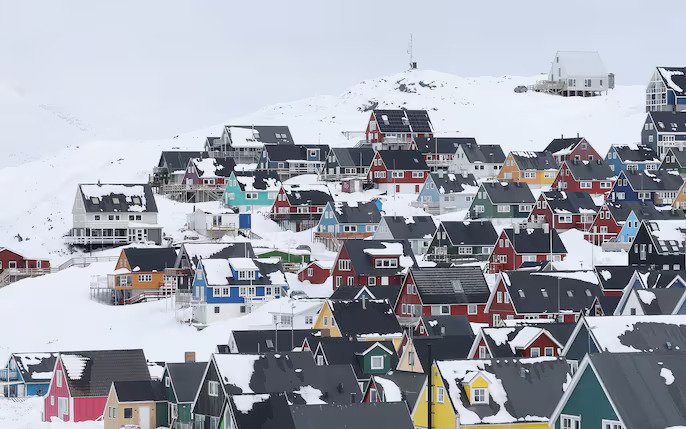
Greenland is a semi-autonomous territory within the Kingdom of Denmark, but it has long pursued greater self-rule and eventual independence. Recent geopolitical attention has complicated this path.
While some external powers view Greenland through a strategic lens, Greenlanders themselves have been clear about their desire for self-determination. Local leaders have pushed back against foreign pressure, emphasizing that Greenland is not for sale or takeover.
This tension between global strategic interests and local autonomy has made Greenland a sensitive diplomatic issue, especially among NATO allies and European nations.
Strains on Alliances and International Law
Greenland’s rise has also exposed fractures within global alliances. Public statements and policy discussions around Greenland have sparked concern in Europe about respect for international law and alliance unity.
As Arctic geopolitics intensify, questions around territorial integrity, diplomatic norms, and military escalation have come to the forefront. Greenland has become a test case for how major powers navigate influence without undermining global stability.
What Greenland Represents Today
Greenland is no longer just an isolated island—it represents the future of geopolitics in a warming world. It sits at the intersection of climate change, resource competition, military security, and global power shifts.
Its sudden prominence reflects a broader reality: as the world changes, regions once considered peripheral can quickly become central to international strategy.
Conclusion
Greenland’s rise to geopolitical significance is driven by its strategic location, military importance, natural resources, and the accelerating impact of climate change. As global competition intensifies, the island has become a focal point for power struggles that extend far beyond the Arctic.
How world leaders handle Greenland—balancing security, sovereignty, and cooperation—will shape not only the future of the Arctic, but also the broader rules governing global geopolitics in the decades ahead.

