
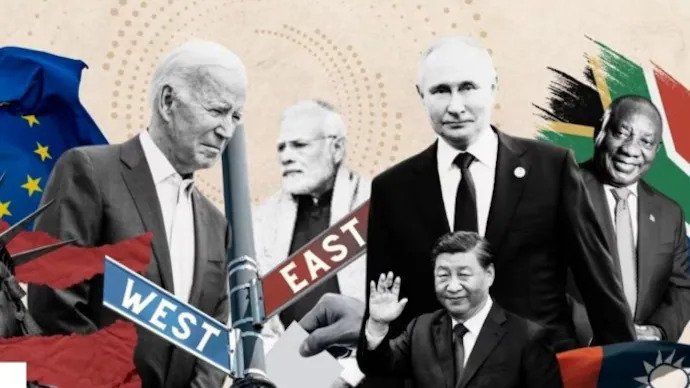

Global politics never sleeps, and this week has been no exception. From high-stakes diplomatic meetings to election results and international policy shifts, world leaders and governments have been busy shaping the geopolitical landscape. Here’s a comprehensive roundup of the key international developments you need to know this week.
Major Diplomatic Meetings and Summits
This week saw several high-profile diplomatic gatherings that could redefine international alliances and global priorities. Leaders from multiple countries met to discuss trade, security, and climate change, signaling renewed efforts to address long-standing global challenges.
One of the main topics at these summits was international cooperation on economic stability, particularly in regions facing inflation and market fluctuations. In addition, discussions on conflict resolution and peace-building were at the forefront, as nations continue to seek solutions to ongoing disputes.
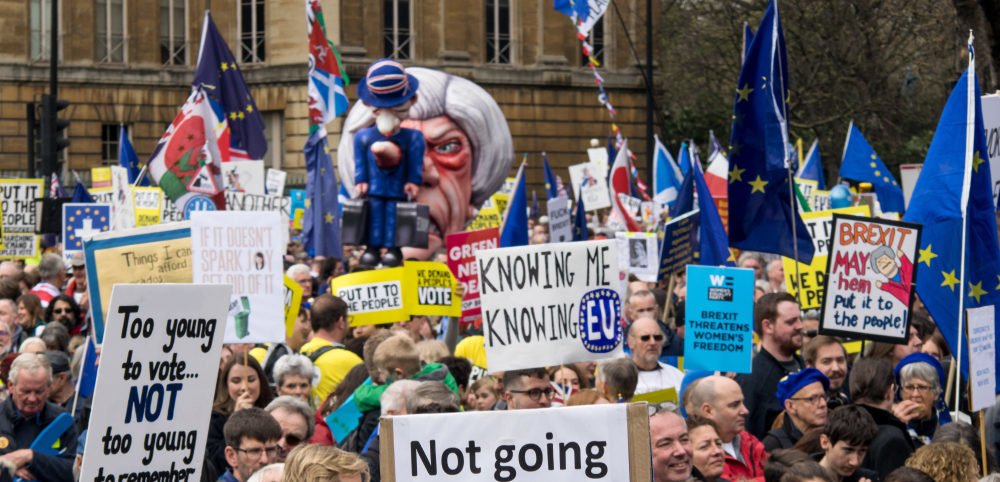
These diplomatic efforts not only affect global governance but also have a direct impact on trade agreements, energy supplies, and regional stability. Analysts are watching closely to see whether these discussions will result in concrete policy shifts or remain largely symbolic.
Elections and Political Shifts
Elections continue to shape the world stage this week. Several countries held critical elections that could influence international policies, from foreign relations to trade and security.
Shifts in government leadership often lead to changes in diplomatic strategy, and this week’s election results are no exception. In countries where new leaders have been elected, early statements indicate a focus on strengthening international partnerships and domestic reforms. Meanwhile, incumbents maintaining power are under pressure to address both local concerns and global obligations, such as climate commitments and security treaties.
Political analysts suggest that these developments may impact ongoing international negotiations, aid agreements, and global economic strategies, highlighting the interconnected nature of modern geopolitics.
Ongoing International Conflicts
Several regions continue to experience political tension and conflict, drawing attention from the international community. This week, updates from these areas indicate ongoing negotiations, military movements, and humanitarian challenges.
International organizations, including the United Nations, have been actively involved in monitoring these conflicts, issuing statements and proposing mediation efforts. These situations often require careful diplomacy, balancing the interests of multiple stakeholders while minimizing civilian harm.
Global reactions to these conflicts also influence trade, migration, and security policies, making them critical not just locally but worldwide. Governments and international bodies are continuing to evaluate strategies to resolve tensions while maintaining stability.
Policy Developments and International Agreements
Policy decisions and international agreements this week have further shaped the geopolitical landscape. Key focus areas included trade deals, climate initiatives, and security collaborations. Several countries announced new economic partnerships, while others signed agreements aimed at reducing carbon emissions and promoting sustainable energy use.
Such policy developments reflect an ongoing trend of countries seeking cooperative solutions to shared challenges. They also signal how nations are positioning themselves strategically on the global stage, whether through trade advantages, environmental commitments, or defense alliances.
What to Watch Next
As this week wraps up, attention shifts to upcoming meetings, elections, and policy decisions that could further influence global politics. Leaders are preparing for negotiations on critical issues such as climate change, economic stability, and regional security.
For analysts, policymakers, and global citizens alike, staying informed about these developments is essential. International politics is dynamic, and the outcomes of these events can have far-reaching consequences on economies, societies, and diplomatic relations worldwide.
Final Thoughts
This week in global politics demonstrated the intricate connections between diplomacy, elections, conflicts, and policy-making. From high-level summits to significant political shifts, the world continues to evolve at a rapid pace.
Keeping track of these developments is more important than ever, as decisions made by leaders today will shape the geopolitical landscape for months—and sometimes years—to come.

