
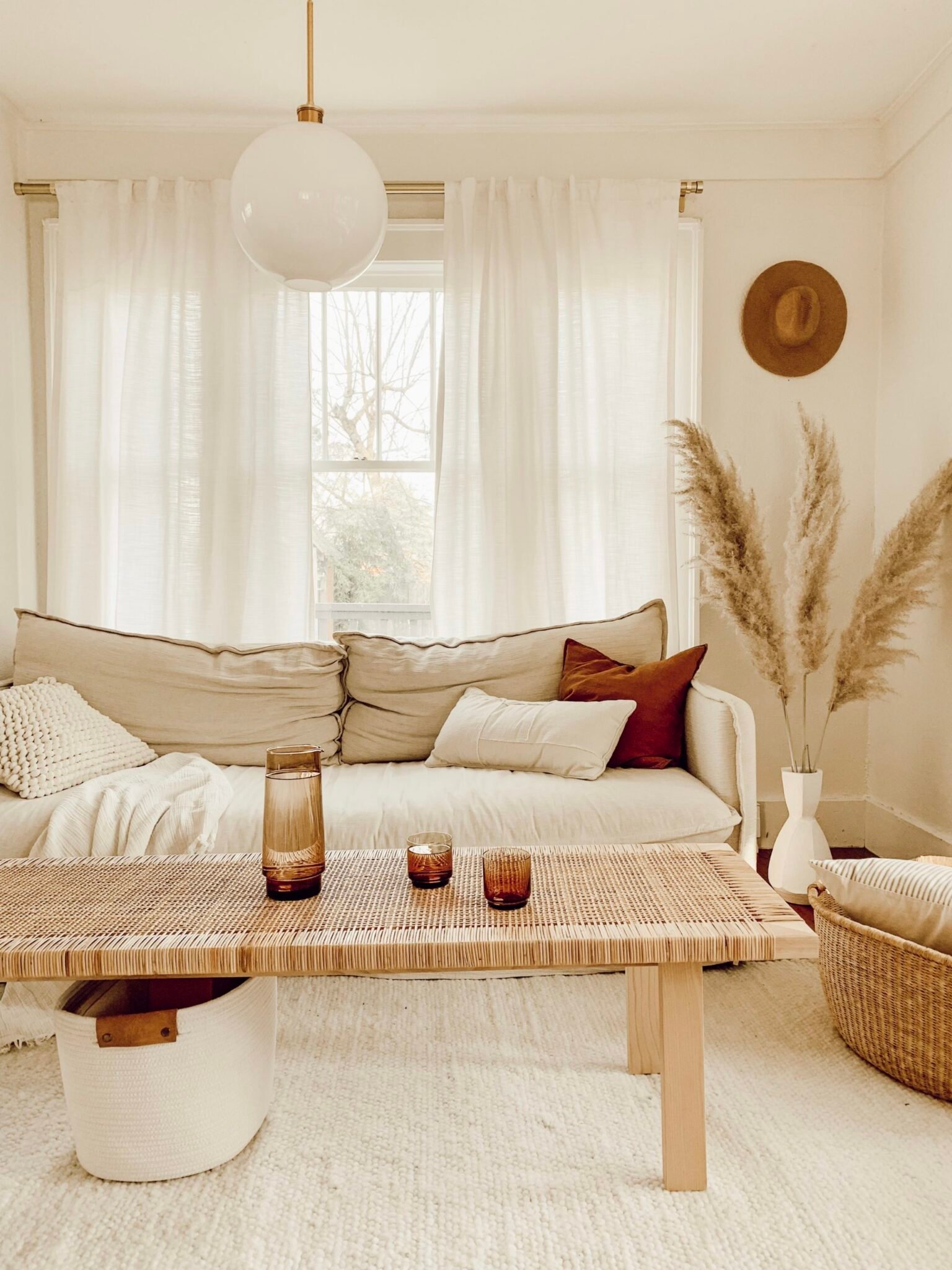

For much of the past decade, cool grey interiors dominated homes across the world. Grey walls, grey sofas, and monochrome palettes became the default choice for modern living. But as we move through 2026, there’s a clear shift underway in interior design — one that favors warmth, comfort, and connection. Earth tones are back, and they’re transforming homes into inviting, grounded spaces that feel both timeless and deeply personal.
Why Grey Is Fading Away
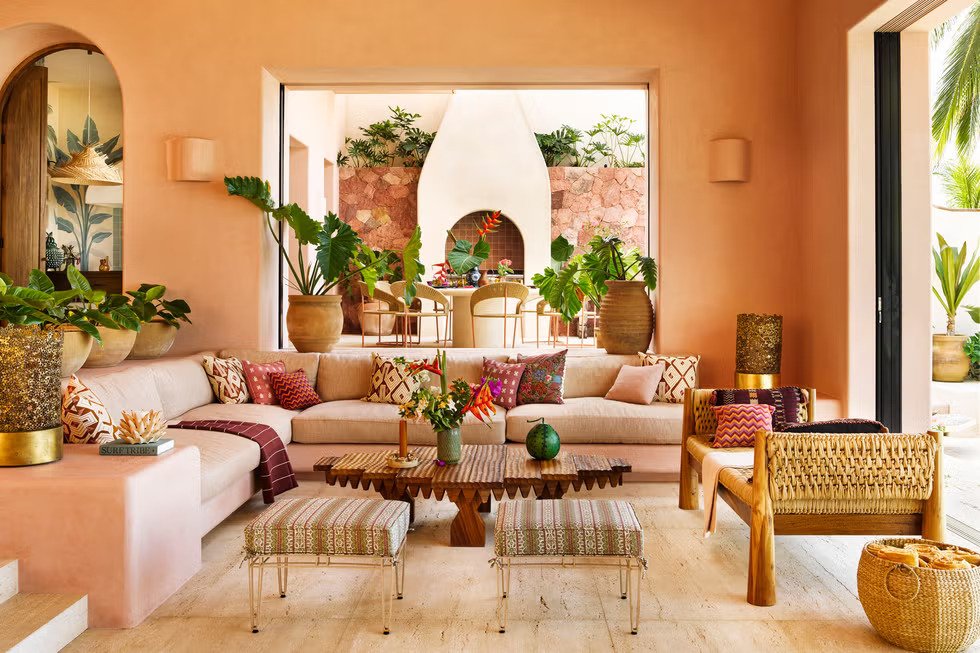
Grey rose to popularity because of its neutrality and versatility. It worked well in minimalist spaces and paired easily with almost any accent color. However, over time, many homeowners began to feel that all-grey interiors lacked emotion and warmth. In a world shaped by uncertainty and fast-paced digital lives, people are craving homes that feel comforting rather than cold.
Designers are now moving away from stark, cool palettes and embracing colors that evoke nature, stability, and calm. Earth tones offer exactly that — they create spaces that feel lived-in, relaxed, and welcoming rather than overly polished.
What Are Earth Tones?
Earth tones are colors inspired by the natural world. Think terracotta, clay, sand, caramel, olive, moss, rust, warm taupe, soft browns, muted yellows, and deep greens. These shades reflect elements found in soil, stone, wood, and foliage, making them naturally soothing and easy to live with.
Unlike grey, which often sits in the background, earth tones add depth and character. They bring warmth without overwhelming a space and can be layered together for a rich, cohesive look.
Why Warm Interiors Are Trending in 2026
The return of warm interiors isn’t just a design trend — it’s a lifestyle shift. Homes today are multifunctional spaces used for working, relaxing, entertaining, and recharging. Warm colors help create emotional comfort, which is more important than ever.
Earthy palettes also align with the growing focus on sustainability and natural materials. As people gravitate toward wood, stone, linen, and clay finishes, warm tones naturally complement these textures. The result is a home that feels connected to nature, even in urban environments.
Additionally, warm interiors photograph beautifully, making them popular across social media platforms where cozy, authentic spaces resonate more than sterile perfection.
How to Incorporate Earth Tones into Your Home
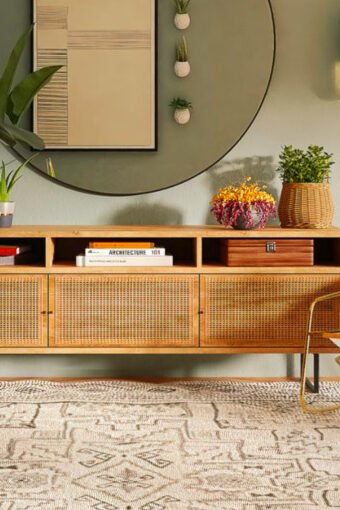
You don’t need a full renovation to embrace this shift. Small, thoughtful changes can make a big impact.
Start with walls:
Swap cool grey paint for warm neutrals like beige, cream, or soft clay. Accent walls in terracotta or muted green can instantly add personality without overwhelming a room.
Layer natural materials:
Wood furniture, woven textiles, stone surfaces, and ceramic décor enhance the warmth of earth tones. These materials add texture and depth, making a space feel grounded and inviting.
Upgrade soft furnishings:
Cushions, rugs, throws, and curtains are an easy way to introduce color. Shades like rust, caramel, and olive work beautifully in living rooms and bedrooms.
Balance with light:
Warm interiors thrive on good lighting. Use soft, layered lighting — table lamps, wall sconces, and warm bulbs — to enhance the richness of earthy colors, especially in the evening.
Earth Tones Room by Room
- Living Room: Warm browns, soft tans, and deep greens create a cozy social space perfect for relaxing or entertaining.
- Kitchen: Earthy cabinets, stone countertops, and warm metals like brass add character while maintaining functionality.
- Bedroom: Muted clay, sand, and linen tones promote calm and restfulness, making the bedroom feel like a retreat.
- Bathroom: Earth tones paired with natural stone and wood accents transform bathrooms into spa-like sanctuaries.
Warm Doesn’t Mean Dark
One common misconception is that warm interiors feel heavy or dated. In reality, when used thoughtfully, earth tones can feel light, modern, and elegant. Mixing lighter neutrals with deeper shades creates balance, while clean lines and simple décor keep the look contemporary.
Final Thoughts
The move away from grey signals more than just a change in color preference — it reflects a desire for homes that feel human, comforting, and connected to nature. Earth tones bring warmth, depth, and authenticity into our living spaces, making them places we genuinely want to spend time in.
As 2026 continues to redefine how we live at home, one thing is clear: warm interiors are here to stay. Goodbye grey — and welcome back the rich, grounding beauty of earth tones.

