
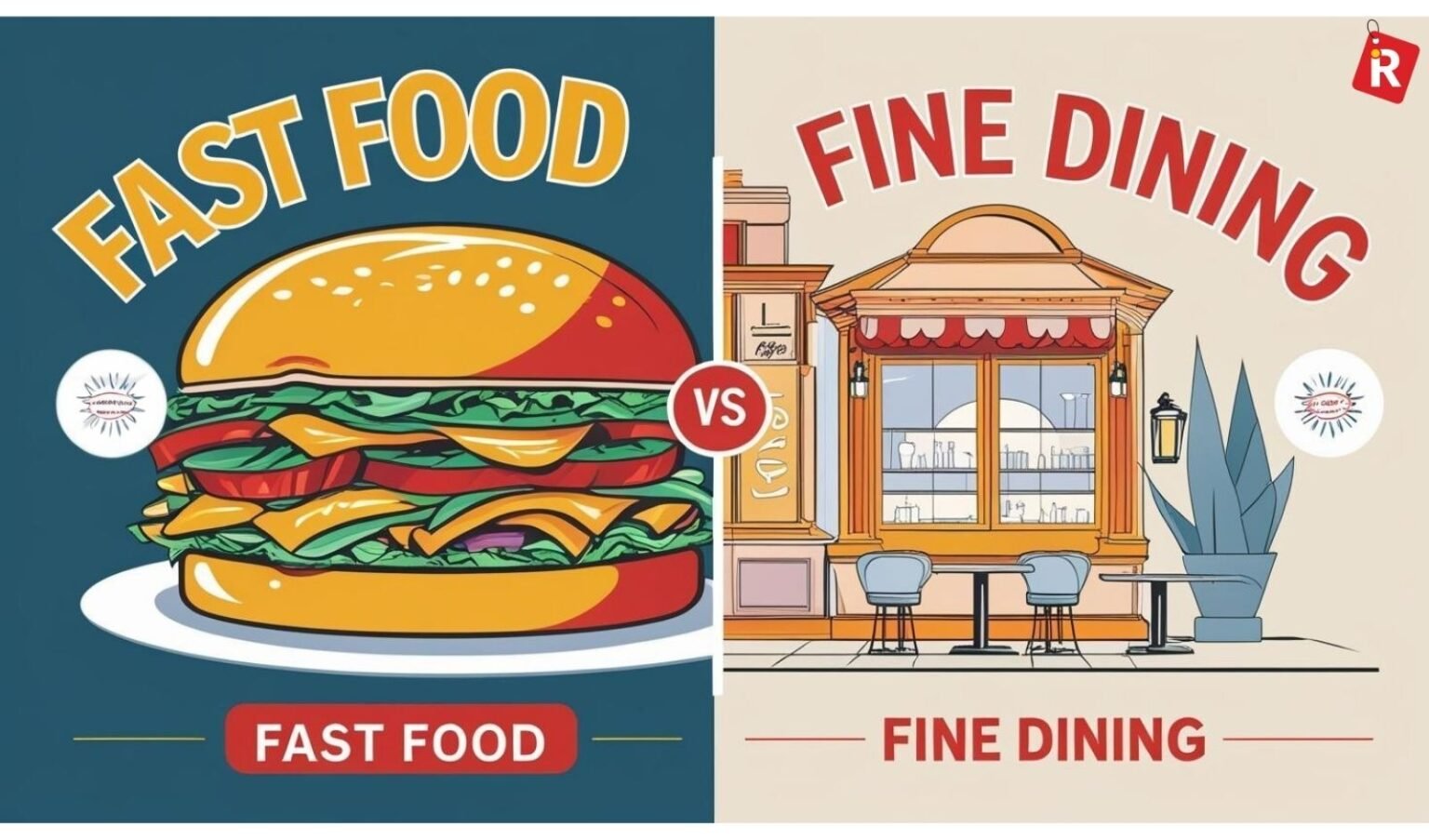

Food is more than nourishment — it is memory, culture, identity, and emotion served on a plate. Across the world, two culinary worlds often stand in contrast: vibrant street food stalls buzzing with energy, and elegant fine dining restaurants offering carefully plated masterpieces. Both promise unforgettable flavors. But when it comes to authentic flavor, which truly delivers?
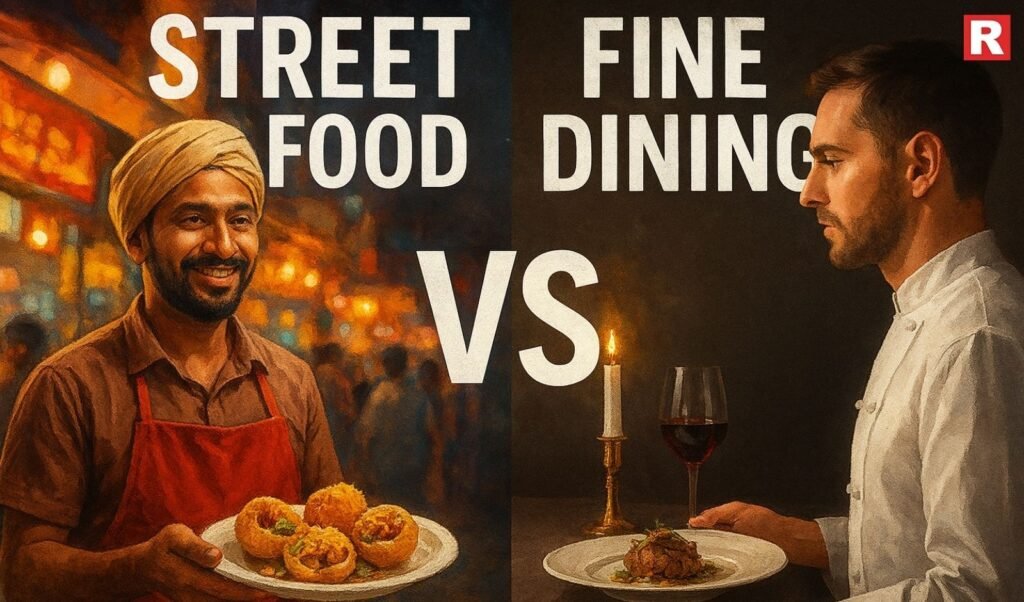
The Soul of Street Food
Street food is where tradition lives in its rawest form. It is quick, affordable, and deeply rooted in local culture. From sizzling roadside kebabs to freshly fried snacks prepared in front of you, street food connects directly to everyday life.
What makes street food feel authentic is its connection to heritage. Many vendors cook recipes passed down through generations, using techniques that haven’t changed for decades. The flavors are bold, unapologetic, and designed to satisfy immediately. There is no pretense — only taste.
Street food is also shaped by its environment. The spices reflect the region, the ingredients are often locally sourced, and the cooking style adapts to the pace of city life. The sounds, smells, and atmosphere become part of the experience. Authenticity here is not just in the recipe; it’s in the setting, the community, and the shared enjoyment of food in its most accessible form.
The Craft of Fine Dining
Fine dining, on the other hand, is culinary art elevated to precision and creativity. It focuses on technique, presentation, and innovation. Chefs train for years to perfect textures, balance flavors, and design dishes that tell a story.

In fine dining, authenticity takes on a different meaning. Instead of strictly preserving tradition, chefs reinterpret it. A classic street snack might appear deconstructed, refined, or infused with global influences. Ingredients are carefully curated, plating is meticulous, and service is an essential part of the experience.
Fine dining often highlights the science behind flavor — understanding how acidity cuts richness, how texture enhances taste, and how aroma influences perception. The authenticity here lies in respect for ingredients and mastery of technique. It may not always resemble the original dish, but it aims to honor its essence while pushing boundaries.
Flavor: Simplicity vs Sophistication
Authentic flavor can be defined in two ways: emotional authenticity and technical authenticity.
Street food excels in emotional authenticity. The flavors are familiar, comforting, and tied to memories. A simple spice blend or smoky char can transport someone back to childhood or a favorite neighborhood corner. The taste feels honest because it hasn’t been overcomplicated.
Fine dining, however, excels in technical authenticity. Chefs strive to extract the purest version of each ingredient’s flavor. They balance elements precisely, often surprising diners with unexpected combinations that still feel harmonious. The authenticity comes from understanding the ingredient at its core.
Interestingly, both approaches value freshness and quality — just expressed differently. A street vendor might rely on daily market produce and time-tested spice mixes. A fine dining restaurant may source rare ingredients and experiment with advanced techniques. Yet both aim for depth and clarity of flavor.
Experience Shapes Perception
Flavor is not experienced in isolation. Ambience, expectation, and presentation all influence how we perceive taste.
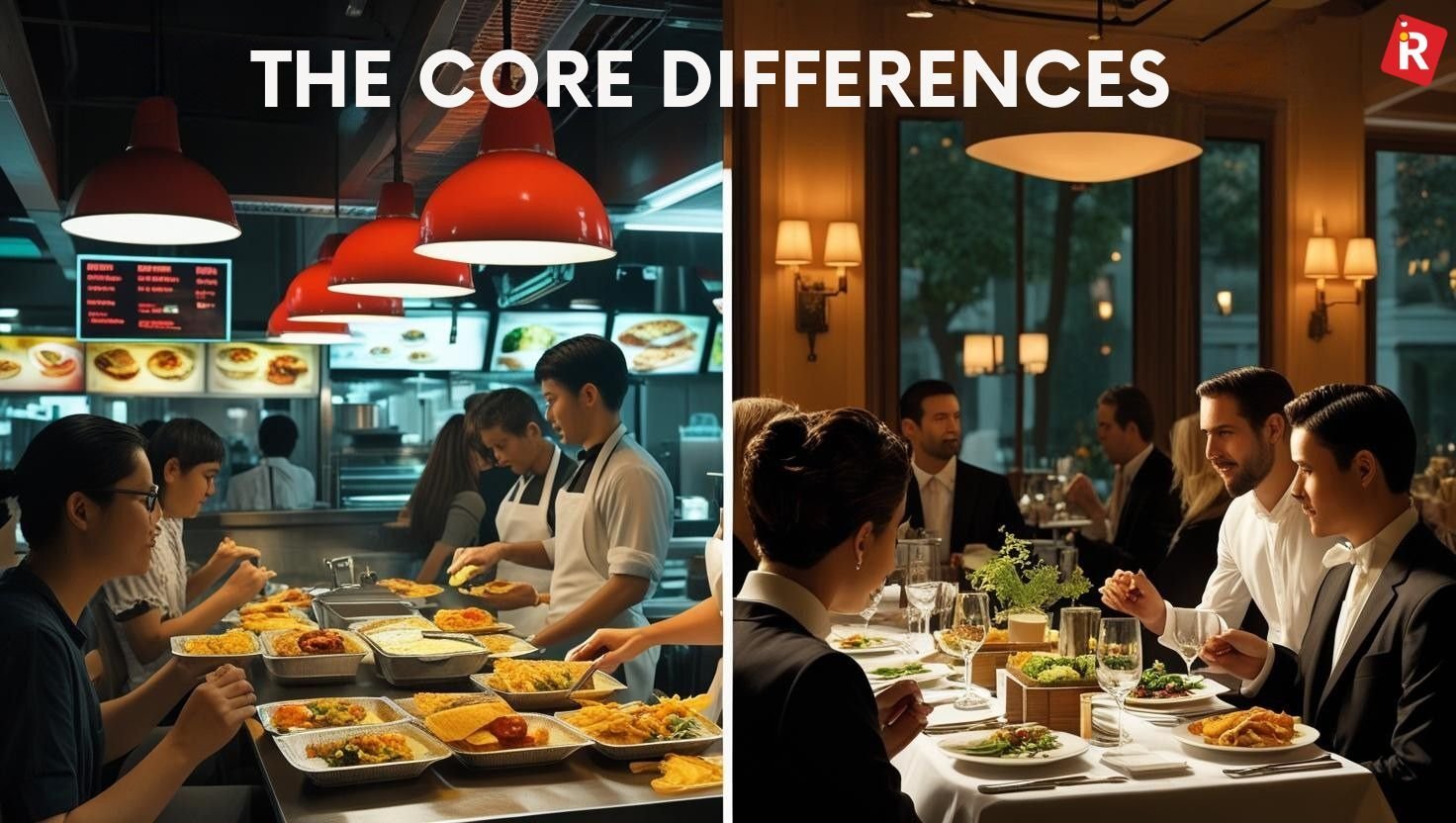
Street food offers spontaneity and excitement. You stand, watch your food being made, and eat it hot and fresh. The lack of formality can make the experience feel more genuine and personal.
Fine dining offers immersion. Soft lighting, attentive service, and thoughtfully plated dishes heighten anticipation. The environment encourages diners to slow down and appreciate each bite.
Neither experience is inherently more authentic — they simply reflect different interpretations of culinary truth.
So, What Defines Authentic Flavor?
Authentic flavor is not determined by price, presentation, or prestige. It is defined by sincerity. It is the honest expression of culture, ingredient, and intention.
Street food captures authenticity through tradition, community, and bold simplicity. Fine dining expresses authenticity through craftsmanship, creativity, and refined technique.
In the end, authenticity lies in whether a dish stays true to its roots — whether by preserving them faithfully or by reimagining them respectfully. A smoky roadside snack can be just as authentic as a beautifully plated gourmet creation.
Because true flavor isn’t about where you eat — it’s about how deeply the food connects with you.

