
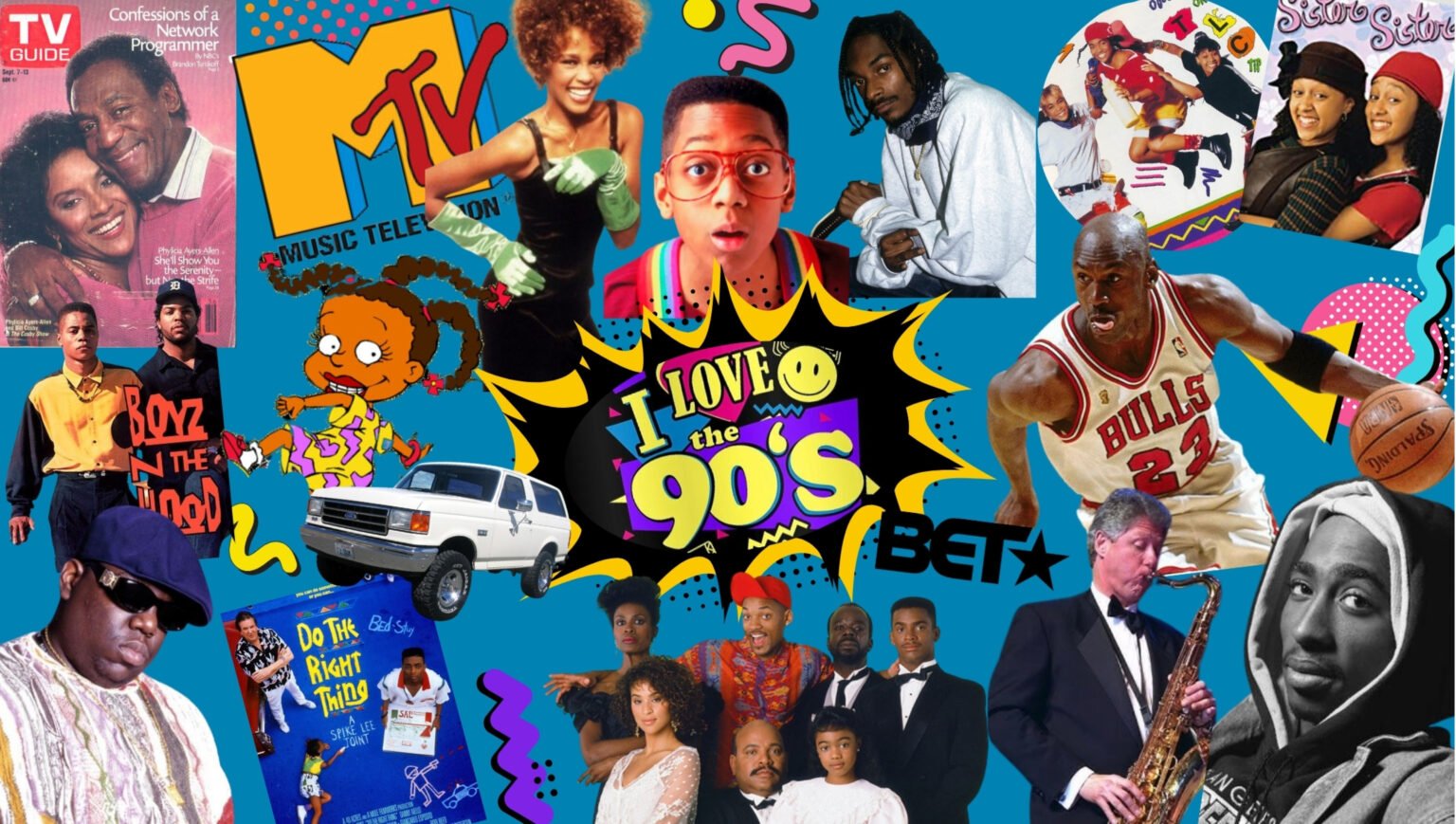

Pop culture—short for popular culture—is the collection of ideas, trends, entertainment, and social behaviors that dominate mainstream society at any given moment. From viral TikTok dances and chart-topping music to blockbuster films and celebrity fashion, pop culture shapes how people communicate, express themselves, and understand the world around them. More than just entertainment, it reflects society’s values, concerns, and aspirations.
The Evolution of Pop Culture
Pop culture has always evolved alongside technology. In the past, radio, newspapers, and television defined what became popular. Today, social media platforms like Instagram, YouTube, and TikTok play a central role in creating and spreading trends at lightning speed. A single post or video can influence millions within hours, making pop culture more immediate and global than ever before.
This rapid evolution means pop culture is constantly reinventing itself. Trends come and go quickly, but they often leave lasting impressions. For example, memes that begin as jokes can spark conversations about politics, mental health, or social justice, blending humor with deeper meaning.
Entertainment as a Cultural Mirror
Music, film, and television are at the heart of pop culture. These forms of entertainment don’t just provide escape—they often comment on real-world issues. Music artists use their platforms to address themes like identity, inequality, and personal struggle, while films and television shows explore social norms, relationships, and moral dilemmas.
Streaming services have transformed how audiences consume entertainment, offering more diverse voices and stories than traditional media once allowed. As a result, pop culture has become more inclusive, highlighting experiences from different cultures, backgrounds, and perspectives.
The Power of Celebrities and Influencers
Celebrities and social media influencers play a major role in shaping pop culture. Their fashion choices, opinions, and lifestyles are closely followed and often imitated. Unlike traditional celebrities, influencers feel more accessible, engaging directly with fans and building communities around shared interests.
This influence can be both positive and problematic. On one hand, public figures can raise awareness about important causes and inspire change. On the other, the pressure to maintain a perfect online image can contribute to unrealistic standards and consumerism. Pop culture continually navigates this balance between inspiration and influence.
Pop Culture and Identity
Pop culture helps people define who they are. Fans bond over shared interests in movies, music genres, video games, or fandoms, creating communities that cross geographic boundaries. These shared cultural moments provide a sense of belonging and connection in an increasingly digital world.
Fashion trends, slang, and online humor also allow individuals to express their identities. What people watch, listen to, and share often becomes part of how they present themselves to others, especially among younger generations.
Why Pop Culture Matters
While pop culture is sometimes dismissed as shallow or fleeting, its impact is significant. It shapes conversations, challenges norms, and brings attention to issues that might otherwise be ignored. Pop culture has the power to unite people during major cultural moments—such as globally watched events or viral movements—and to spark dialogue across generations.
In many ways, pop culture is the heartbeat of society. It captures what people care about right now, while also influencing what they’ll care about next. By paying attention to pop culture, we gain insight into the changing dynamics of the modern world and the shared experiences that connect us all.

