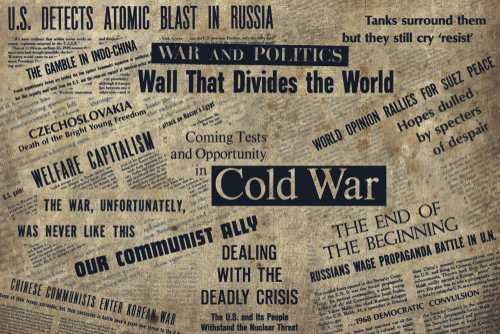

In recent years, many people have begun to ask whether the world is entering a new Cold War. Rising tensions between major powers, growing military competition, and increasing political divisions all seem familiar. While today’s global situation is different from the Cold War of the 20th century, there are clear similarities that suggest the world may be moving into a new era of rivalry rather than cooperation.
The original Cold War, which lasted roughly from the end of World War II until the early 1990s, was defined by tension between the United States and the Soviet Union. These superpowers rarely fought each other directly, but they competed through ideology, military build-up, economic pressure, and influence over other countries. Today, a similar pattern is emerging, though with new players and modern tools.
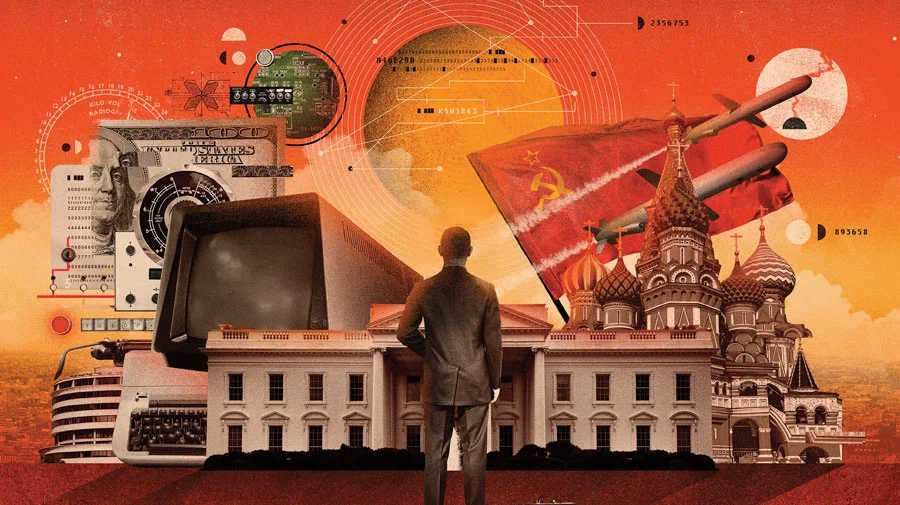
One major sign of a new Cold War is the growing rivalry between the United States and China. The two countries compete economically, technologically, and politically. Trade disputes, disagreements over Taiwan, and competition in areas like artificial intelligence and space exploration have increased tensions. Unlike the Cold War with the Soviet Union, the U.S. and China are deeply economically connected, which makes the situation more complex. Still, both sides see each other as long-term rivals, especially when it comes to global influence.
Russia also plays a key role in this emerging global tension. Its strained relationship with the United States and Europe has led to military buildup, sanctions, and diplomatic breakdowns. Russia’s actions have revived fears of large-scale conflict and reminded the world of Cold War–style power struggles. NATO expansion and Russia’s opposition to it reflect the same kind of alliance-based standoffs that defined the past.
Another similarity is the return of ideological competition. During the original Cold War, democracy and capitalism were pitted against communism. Today, democratic systems often clash with authoritarian models of governance. Countries argue not only over borders and resources, but also over values such as freedom of speech, human rights, and political control. This ideological divide shapes foreign policy decisions and global alliances.
Technology has also become a major battlefield. Cybersecurity, misinformation, and digital surveillance now play the role that nuclear weapons once did in shaping fear and strategy. Governments worry about cyberattacks on infrastructure, election interference, and control over data. Social media and the internet allow influence to spread faster than ever, making modern conflicts less visible but just as impactful.
However, there are important differences that suggest this is not a repeat of the past. Today’s world is far more interconnected. Global trade, international organizations, and instant communication make total isolation nearly impossible. Many countries try to avoid choosing sides, preferring economic partnerships with multiple powers. Instead of two clear opposing blocs, the world now has multiple centers of power, including the European Union, India, and other emerging nations.
In conclusion, while the world is not experiencing the same Cold War as before, it is entering a new phase of global competition. Rivalries between major powers, ideological divisions, and indirect forms of conflict strongly resemble Cold War patterns. Yet the modern version is shaped by technology, economic interdependence, and a multipolar world. Whether this new era leads to prolonged tension or renewed cooperation will depend on how nations choose to manage conflict in an increasingly connected global society.

