
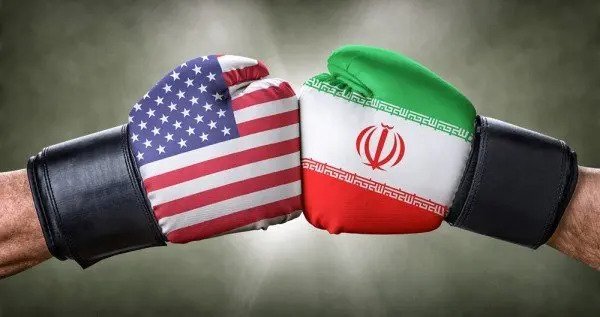

In 2026, relations between Iran and the United States have reached one of their most volatile points in decades. Long-standing friction, driven by nuclear ambitions, regional influence, and mutual distrust, now threatens to spill beyond rhetoric into open conflict — even as diplomatic channels remain partly open.
Background: A Complex History
The United States and Iran have clashed repeatedly since the 1979 Islamic Revolution, which ended close cooperation and began decades of sanctions, covert operations, and proxy competitions. Matters escalated sharply after Washington withdrew from the Joint Comprehensive Plan of Action (JCPOA) in 2018, demanding tighter restrictions on Tehran’s nuclear programme and imposing sweeping sanctions.
Today’s tensions are rooted in Iran’s expanding nuclear activities and growing U.S. concerns about regional security. Iranian officials insist their nuclear work is peaceful, while Washington and its allies fear Tehran could develop a weapon-capable arsenal. The impasse has created a combustible geopolitical situation.
Recent Escalations and Military Posturing
In recent weeks, tensions have dramatically intensified. The U.S. has deployed significant military assets to the Middle East, including aircraft carriers, heavy transport planes, and refueling tankers — the most substantial buildup since the prelude to the 2003 Iraq War. These moves signal Washington’s readiness to act should negotiations fail.
Tehran has responded defiantly. Iranian leaders have warned of retaliatory strikes on U.S. bases and assets if war breaks out, with state media even airing provocative propaganda threatening attacks on specific U.S. military facilities — heightening fears of miscalculation.
Iran also conducted naval drills in the strategic Strait of Hormuz, a chokepoint for global oil shipments, underscoring its willingness to assert control amid rising tensions. This stance reflects Tehran’s readiness to protect its interests militarily, even at the cost of regional disruption.
Diplomatic Efforts and Nuclear Talks
Despite the hostile posturing, both countries continue limited diplomacy. Indirect nuclear negotiations, mediated in locations like Muscat and Geneva, aim to find an agreement that addresses U.S. demands and Iran’s insistence on sovereign nuclear rights. Tehran has even prepared a draft counterproposal for discussion.
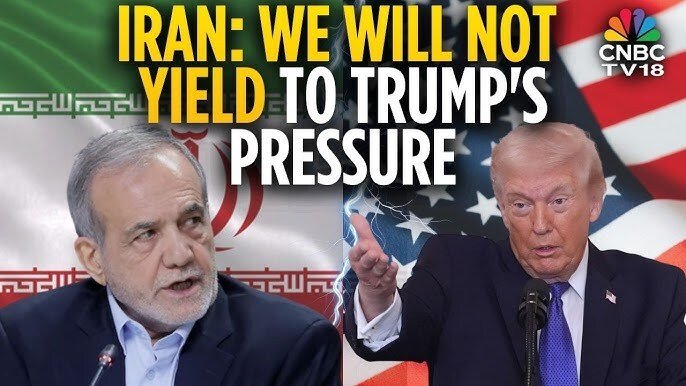
Iranian Foreign Minister Abbas Araghchi recently stated that negotiations could still yield a treaty if balanced and fair, arguing that military escalation would be disastrous for all parties. Meanwhile, the U.S. sets deadlines and conditions, linking progress to adjustments in Iran’s nuclear programme — but without fully ruling out force.
This diplomatic tension — between the push for a deal and threats of aggression — underscores the fragility of the current situation. It also reflects a broader pattern: talks making incremental progress, but failing to bridge fundamental disagreements on nuclear limits and enforcement.
Regional and Global Implications
Iran–U.S. tensions do not exist in isolation. Regional actors like Israel and Gulf states are assessing whether they might join or support U.S. action, amplifying the risk of a wider Middle Eastern conflict. Some officials warn that any escalation could “spin out of control,” dragging neighbouring countries into confrontations.
Economically, markets are reacting too. Crude oil prices have shown volatility on fears of disruptions in the Strait of Hormuz — vital for energy exports — with potential ripple effects on fuel prices and inflation globally, including in India and other import-dependent economies.
Meanwhile, back home in Iran, internal pressures compound external threats. Widespread anti-government protests and political unrest have continued, even as authorities suppress dissent, adding another layer of instability to an already tense environment.
What Comes Next?
As of early 2026, the Iran–U.S. confrontation is at a critical juncture. Diplomatic overtures persist, but deadlocks in negotiations and military buildups on both sides fuel fears of a flashpoint. The international community watches closely, hoping diplomacy can avert a full-scale conflict.
For now, the situation remains precarious — a blend of negotiation, brinkmanship, and broader regional anxieties that could define Middle Eastern geopolitics for years to come.

