
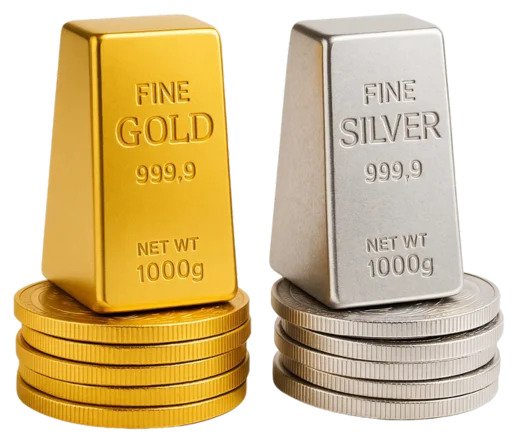

In times of economic stability, investors often seek growth through stocks, real estate, and emerging markets. But when uncertainty takes over, the focus shifts from growth to protection. In recent years, global economic instability has pushed investors back toward traditional safe-haven assets—most notably gold and silver. Rising prices of these precious metals reflect growing concerns about inflation, geopolitical tensions, and the long-term health of the global economy.
Economic Uncertainty and Investor Behavior
Economic uncertainty can take many forms: slowing global growth, high inflation, rising interest rates, banking sector stress, or geopolitical conflicts. When these risks increase, confidence in traditional financial systems tends to weaken. Investors begin to look for assets that can preserve value rather than generate high returns.
Gold and silver have historically filled this role. Unlike fiat currencies, which can lose value due to inflation or policy decisions, precious metals are finite and tangible. This makes them attractive during periods when trust in governments, central banks, or financial markets declines.
Inflation and Currency Concerns
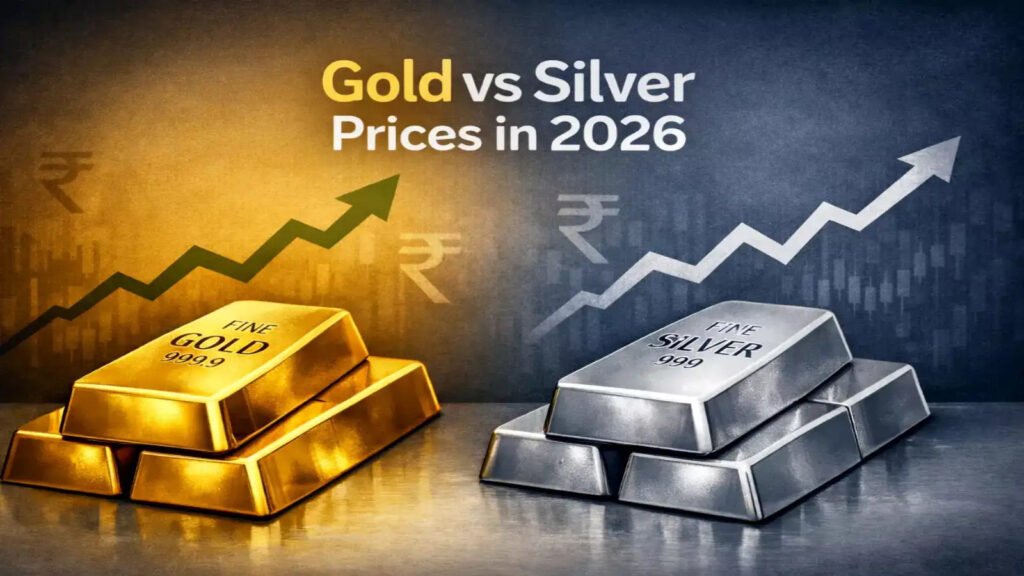
One of the biggest drivers behind rising gold and silver prices is inflation. When the cost of living increases and currencies lose purchasing power, investors turn to assets that can act as a hedge. Gold, in particular, has long been viewed as a store of value during inflationary periods.
Silver also benefits from inflation concerns, though it plays a dual role. In addition to being a monetary metal, silver is widely used in industrial applications. This combination makes it appealing during uncertain times when investors are hedging risk while also anticipating future economic recovery.
Currency volatility further strengthens the appeal of precious metals. When major currencies weaken or fluctuate sharply, gold and silver often rise as alternatives not tied to any single nation’s monetary policy.
Geopolitical Tensions and Safe-Haven Demand
Global political instability has also contributed to the surge in precious metal prices. Conflicts, trade disputes, and shifting alliances increase uncertainty in financial markets. During such periods, investors prioritize safety and liquidity.
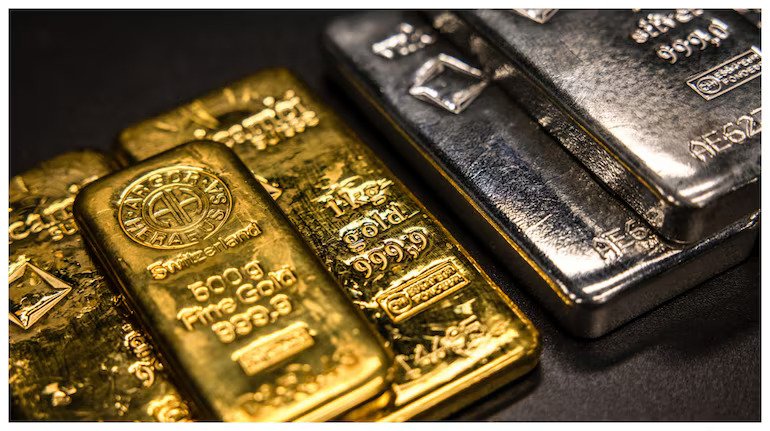
Gold is often the first asset investors turn to during geopolitical crises because of its long-standing reputation as a safe haven. Central banks around the world also increase gold reserves during uncertain times, further supporting demand and prices.
Silver, while more volatile than gold, tends to follow similar trends when fear and uncertainty dominate market sentiment.
Interest Rates and Market Volatility
Interest rate policies play a crucial role in precious metal prices. When interest rates are low or expected to decline, gold and silver become more attractive because they do not yield interest but also do not lose value to inflation as quickly as cash.
Even when rates are high, uncertainty about future policy direction can still support precious metals. Sharp swings in stock markets, concerns about debt levels, and fears of recession often push investors to rebalance portfolios toward safer assets.
The Role of Central Banks
Central banks have become major players in the gold market. In recent years, many have increased gold purchases to diversify reserves away from traditional currencies. This trend reflects broader concerns about global financial stability and long-term currency risk.
Central bank buying adds structural support to gold prices and reinforces its role as a strategic asset during uncertain times.
What This Means for Investors
The rising prices of gold and silver signal caution rather than optimism. They reflect a global environment where investors are prioritizing capital preservation over aggressive growth. While precious metals can offer protection, they also come with risks, including price volatility and limited income generation.
For many investors, gold and silver serve best as part of a diversified portfolio rather than standalone investments.
Final Thoughts
Global economic uncertainty continues to drive demand for gold and silver as investors seek safety, stability, and long-term value. Inflation concerns, geopolitical tensions, currency volatility, and shifting monetary policies have all contributed to higher precious metal prices.
As long as uncertainty remains a dominant theme in the global economy, gold and silver are likely to retain their appeal—standing as time-tested assets in an unpredictable financial world.

