

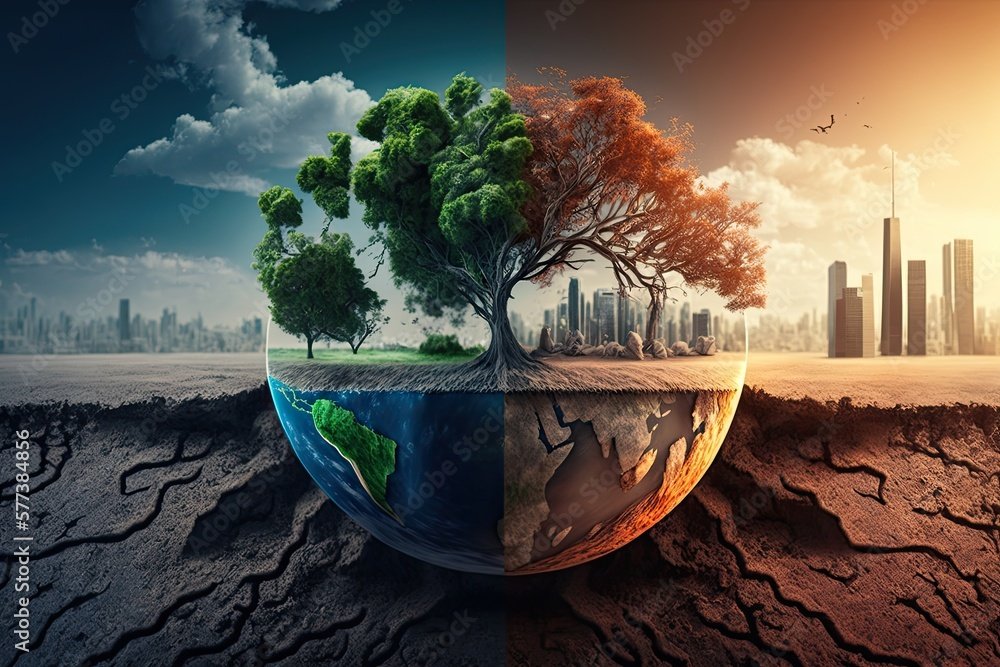
The year 2025 has been marked by an extraordinary number of climate‑related events — from devastating floods and heatwaves to powerful storms and ecological shifts. These events are not isolated incidents; they are part of an accelerating pattern of extreme weather and environmental change driven largely by global warming. Understanding these events and their impacts helps us see not just headlines, but the human, economic, and ecological tolls that accompany them.
A Year of Record Global Temperatures
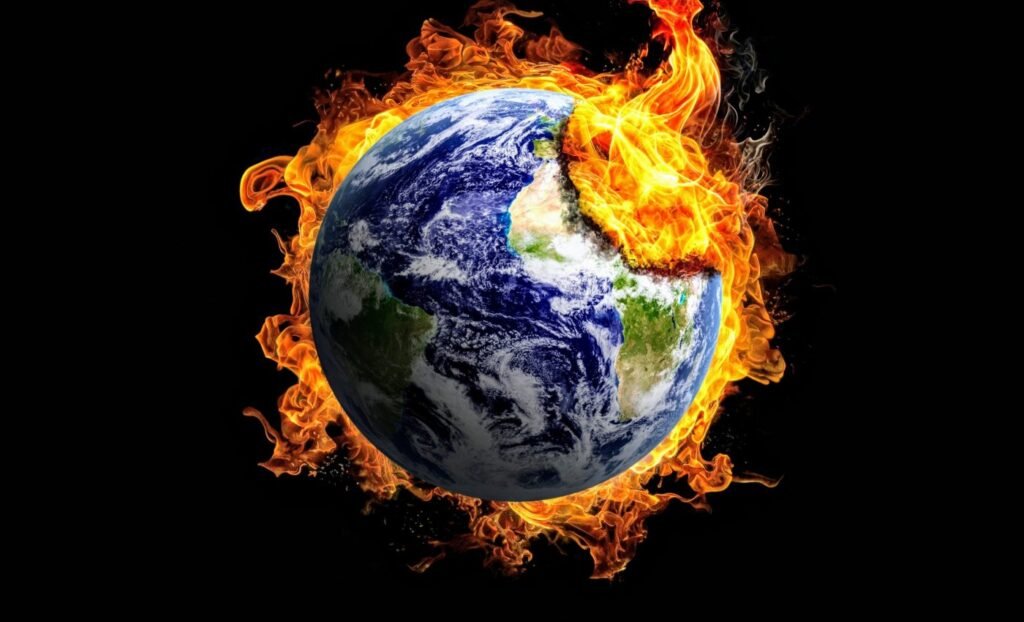
Climate data from 2025 indicates that the year is on track to become one of the warmest on record. Exceptional temperature anomalies have been reported across continents, continuing a trend of rising global heat influenced by greenhouse gas emissions. Hotter global temperatures help fuel more intense weather events — from heavier rainfall to more powerful tropical storms.
Flooding and Heavy Rains Around the World
Flooding has been a hallmark of 2025’s climate impacts. In South Asia, Pakistan endured devastating monsoon floods between June and September, affecting millions of people, displacing entire communities, and resulting in significant loss of life and infrastructure damage.
Elsewhere — including parts of Africa and Southeast Asia — prolonged rains and coastal inundation have submerged towns and farmland, forcing emergency evacuations. These patterns reflect changes in the water cycle, where a warmer atmosphere holds more moisture and causes heavier downpours — a dynamic scientists warn is becoming more common with climate warming.
Cyclones and Storms Intensify Coastal Devastation
Tropical cyclones and storms have also impacted communities in 2025. Cyclonic Storm Ditwah, for example, brought heavy rains to Sri Lanka and southern India, causing widespread flooding, casualties, and billions in economic losses.
Storm systems like these not only disrupt lives but also damage critical infrastructure, agriculture, and homes, particularly in coastal and low‑lying regions that are increasingly vulnerable due to rising sea levels and warmer ocean temperatures that provide energy to intense storms.
Heatwaves and Record‑Breaking Extremes
Beyond storms and floods, many parts of the world have experienced persistently high temperatures and heatwaves in 2025. In countries like India, extreme weather has been reported on nearly every day of the year, including heatwaves that have claimed lives, destroyed crops, and strained energy grids.
Heatwaves are particularly dangerous because they compound other climate risks — affecting food security, increasing water demand, and worsening health outcomes, especially among vulnerable populations like the elderly and children.
Wildfires and Ecological Disruption
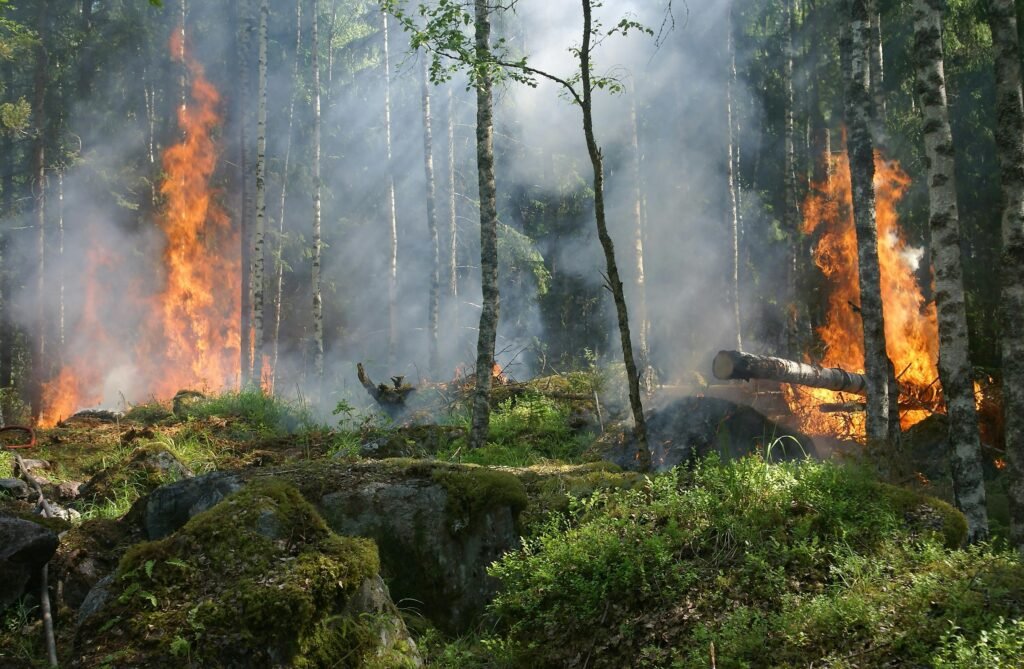
Heat and drought conditions have also contributed to large wildfire events in multiple regions. Argentina, Chile, and Colombia battled widespread fires in 2025 that consumed millions of hectares of land, harming ecosystems, displacing wildlife, and filling the sky with smoke that diminished air quality for nearby communities.
Wildfires not only devastate natural landscapes but also threaten human health and economies, particularly where agriculture, tourism, and forestry are important.
Melting Glaciers and Ecosystem Shifts
Climate change’s impact isn’t limited to short‑term disasters — it also significantly alters ecosystems. In the European Alps, scientists warn that glaciers may reach their peak rate of extinction within years as warmer temperatures accelerate melting. This affects cultural landscapes, freshwater supplies for billions of people, and habitats dependent on glacial ecosystems.
Similarly, vulnerable wildlife regions like the Antarctic Peninsula are experiencing ecological shifts, with some species adapting to changing conditions while others face increased threats as sea ice recedes.
Human and Economic Costs
The human toll of 2025’s climate events is steep. According to United Nations data, climate‑related hazards have contributed to millions of deaths over recent decades, and economic losses from extreme weather continue to climb. These events disproportionately affect low‑income and climate‑vulnerable regions, amplifying inequities and creating longer‑term humanitarian needs.
What This Means Going Forward
The climate events of 2025 reflect a broader global trend: extreme weather is becoming more frequent and intense. These changes underscore the importance of strong climate policies, resilient infrastructure planning, and international cooperation to reduce emissions and adapt to a changing environment.
2025 stands as a stark reminder that climate change is not a future threat — it is a present reality with profound implications for societies, ecosystems, and economies worldwide.

