
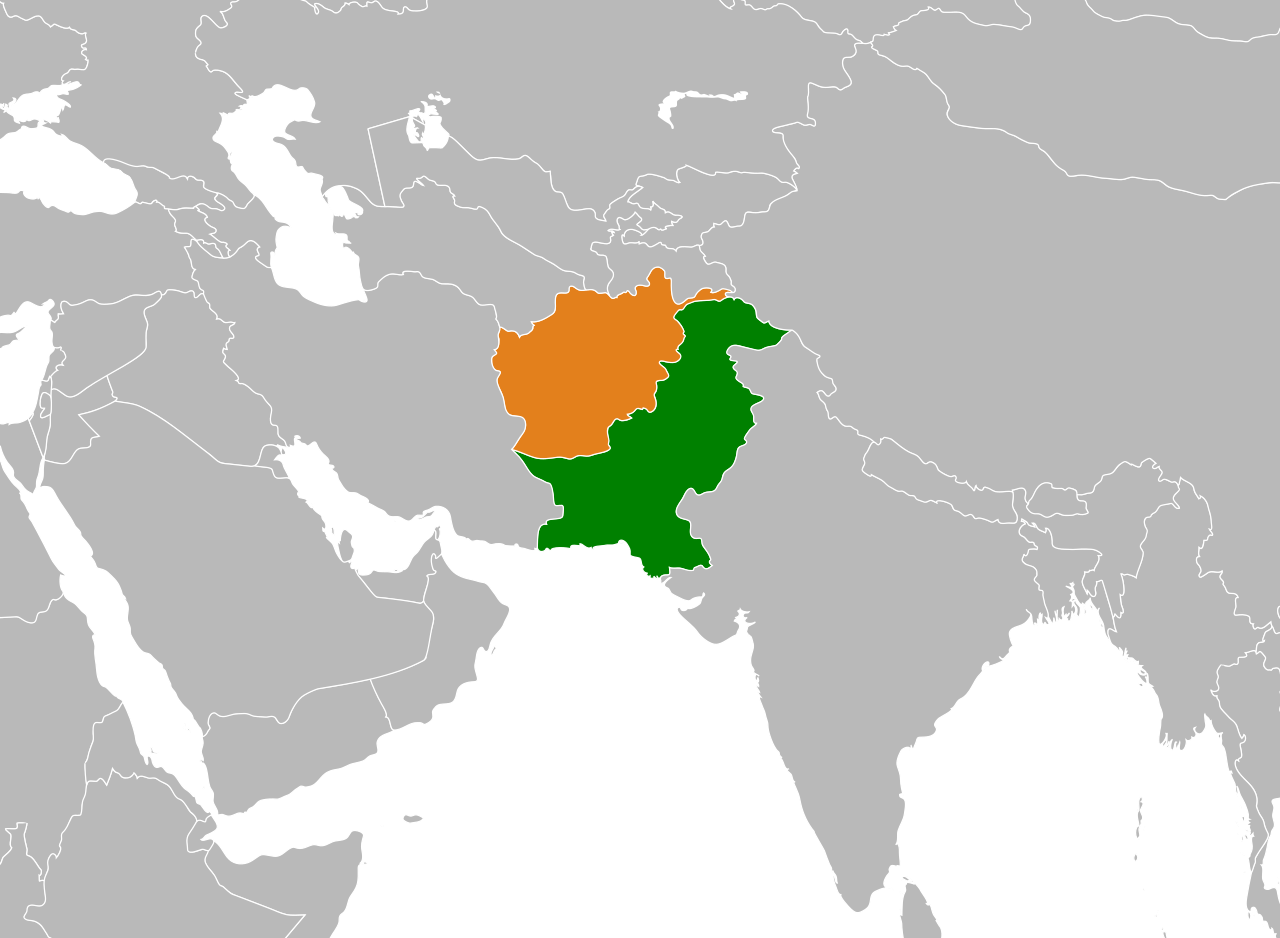

On 26 February 2026, a major escalation occurred in the long-standing tensions between Pakistan and Afghanistan. What began as cross-border exchanges of fire transformed into one of the most serious confrontations in years — raising concerns of a broader conflict in one of South Asia’s most volatile frontiers.
Background: Why Tensions Escalated
Pakistan and Afghanistan share a 2,600-kilometre border known as the Durand Line, a legacy of colonial-era demarcation that Afghanistan has never formally accepted. This contested boundary has long been a flashpoint for disputes, unregulated movements, and security concerns. One of the core grievances centers on Pakistan’s persistent claims that militant groups — especially the Tehrik-i-Taliban Pakistan (TTP) and affiliates of ISIS — use Afghan territory as safe havens to launch attacks inside Pakistan; Afghanistan’s Taliban-led government denies these allegations.
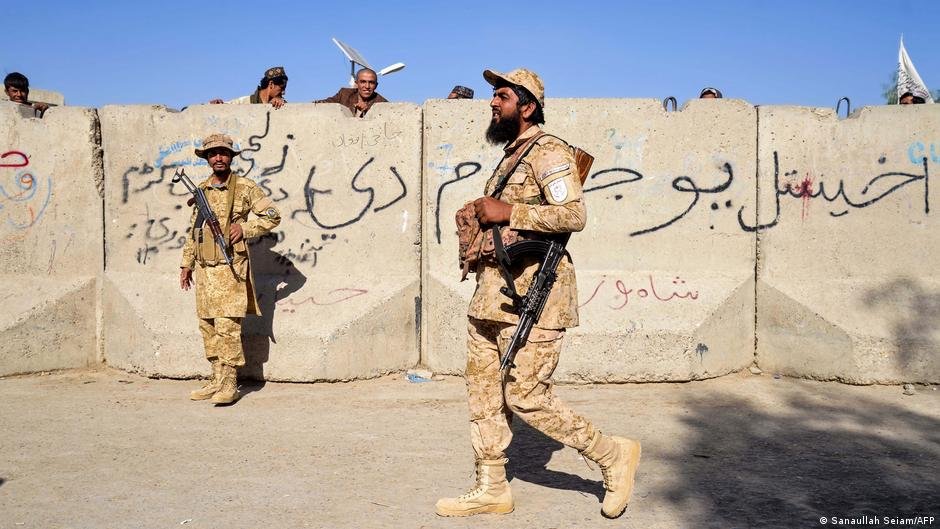
Before 26 February, tensions were already rising. Pakistan had conducted airstrikes on what it described as militant camps in eastern Afghanistan, resulting in at least 18 civilian deaths, according to Afghan sources. Islamabad described these as targeted operations against extremists perpetrating attacks inside Pakistan.
The Flashpoint on 26 February
On 26 February, the situation took a dramatic turn. Afghan forces — under the de facto Taliban administration — announced “large-scale offensive operations” against Pakistani military positions along the border, in what they described as retaliation for Pakistani strikes within Afghan territory. These operations spanned multiple eastern provinces including Nangarhar, Paktika, Khost, and Kunar. Afghan officials claimed they killed Pakistani soldiers and captured several outposts — figures that Pakistan strongly disputed.
According to Afghan statements, the offensive targeted installations along the Durand Line and resulted in the seizure of numerous Pakistani military posts. Kabul also said its forces destroyed bases and seized weapons from Pakistani positions. Pakistani officials, conversely, denied the loss of any posts, asserting that Afghan militants had opened fire unprovoked and that Pakistan’s military had inflicted heavy losses on the attackers.
Escalation and Response
Following this exchange, Islamabad responded with a comprehensive military operation it named Operation Ghazab lil-Haq (meaning “Righteous Fury”). Under this operation, Pakistan carried out airstrikes and artillery bombardments not only along the border but also into major Afghan cities — including Kabul — marking a significant escalation rarely seen between the neighbours. Pakistani authorities reported striking Taliban military installations and claimed to have inflicted substantial casualties.
Pakistan’s Defence Minister, Khawaja Asif, publicly declared that Islamabad was now in “open war” with the Afghan Taliban, saying Pakistan’s “patience had run out.” He accused the Taliban administration of sheltering militants and of destabilizing the region.
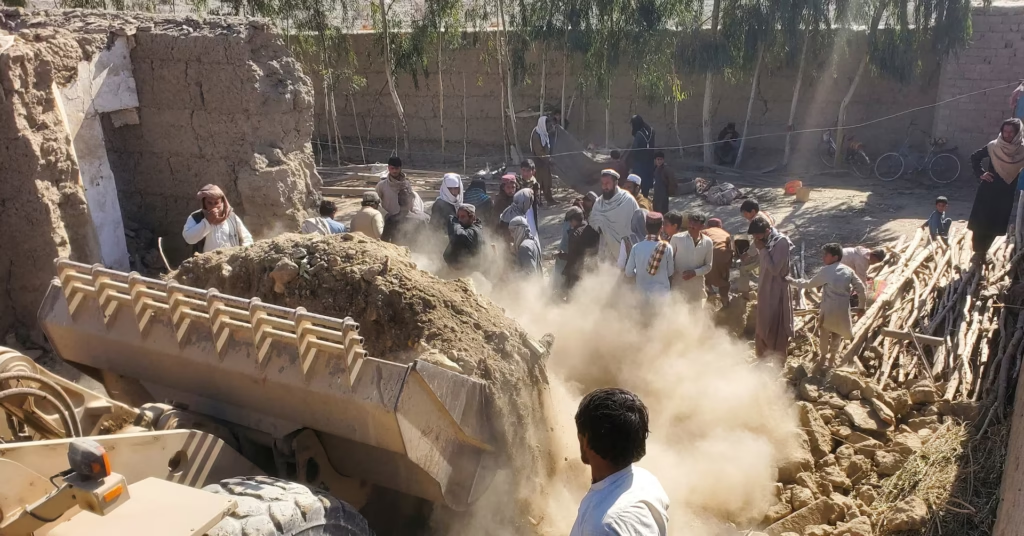
Meanwhile, reports from Afghan sources suggested that civilian areas near the border — including refugee camps — were affected, with injuries reported among non-combatants and displacement of residents.
International Reactions
The regional and international community has expressed alarm at the sudden escalation. The United Nations urged both sides to exercise restraint and pursue dialogue, emphasizing the protection of civilians. Calls for de-escalation came from various quarters, warning that a prolonged conflict between two nuclear-armed neighbours could have far-reaching consequences.
What This Means Going Forward
The clashes of 26 February 2026 underline a dangerous shift from sporadic border skirmishes to a more sustained confrontation with aerial and ground operations. If both sides fail to halt the spiral of tit-for-tat violence, broader instability could engulf the wider region.
Diplomatic engagement, mediation by neutral partners, and renewed negotiations aimed at addressing the root causes — including the presence of militant groups and border disputes — will be critical to averting further conflict. For now, however, the clashes mark one of the darkest moments yet in Pakistan-Afghanistan relations, with both countries locked in a volatile and unpredictable confrontation.

