
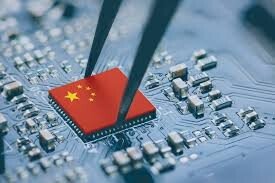

The global semiconductor industry is at the center of one of the most significant geopolitical and economic rivalries of the modern era: the ongoing technology contest between China and the United States. Recent developments in chip export controls, licensing decisions, and enforcement actions signal that the battle over advanced semiconductors is entering a new and more complex phase—one that will shape innovation, supply chains, and global power dynamics for years to come.
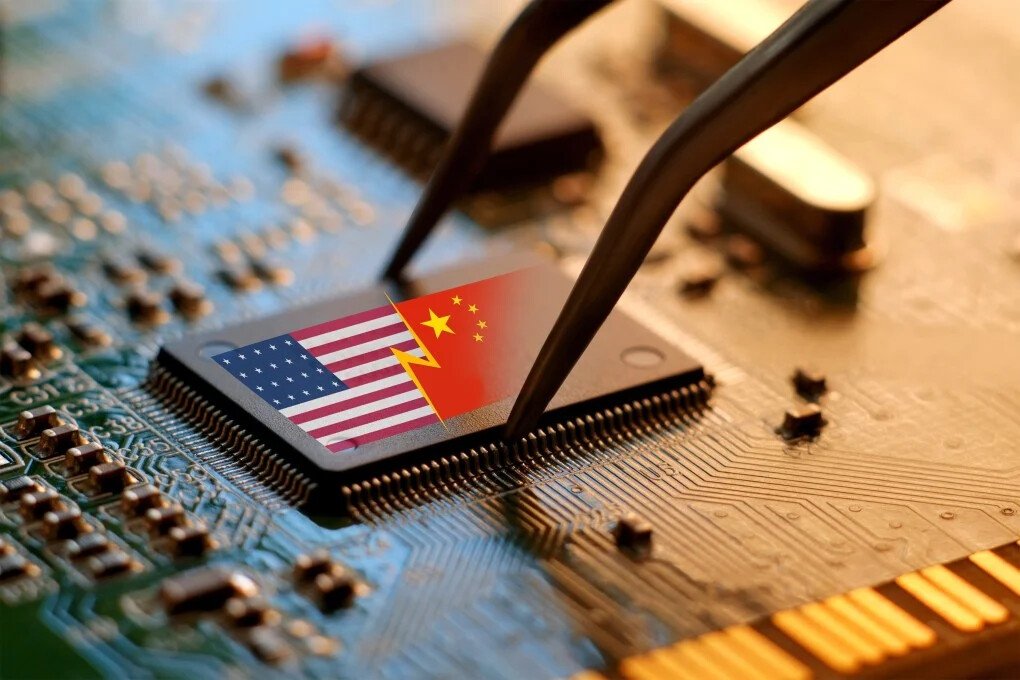
Why Chips Matter So Much
Semiconductors are the foundation of modern technology. From smartphones and electric vehicles to cloud computing and artificial intelligence, advanced chips power nearly every digital system. In particular, high-performance AI chips enable breakthroughs in machine learning, defense systems, scientific research, and economic productivity.
Because of their strategic importance, advanced chips are no longer viewed as just commercial products. They are now treated as critical national assets. This shift explains why the U.S. government has placed increasing restrictions on the export of cutting-edge chips and chip-making equipment to China, aiming to slow Beijing’s access to the most advanced computing capabilities.
Recent Export Control Developments
In the latest round of actions, U.S. authorities have tightened oversight of advanced AI chips—especially those designed for large-scale data centers and high-performance computing. Certain high-end processors, even when technically compliant with previous thresholds, are now subject to additional scrutiny, licensing requirements, or outright bans when destined for China.
At the same time, enforcement has become stricter. Reports indicate that Chinese customs authorities have been instructed to block specific advanced chips that fall under U.S. export restrictions. This shows that controls are not only being announced but actively implemented across borders, adding real friction to global chip trade.
However, the situation is not entirely black and white. In some cases, limited approvals are being granted for exports under strict conditions, such as assurances that chips will be used only for civilian applications. This selective approach highlights the U.S. strategy: constrain China’s access to top-tier AI capabilities without completely cutting off commercial ties.
China’s Response and Long-Term Strategy
China has responded by doubling down on semiconductor self-sufficiency. Massive investments are flowing into domestic chip design, manufacturing, and materials research. While China still lags behind in producing the most advanced chips at scale, it has made notable progress in mature nodes, chip packaging, and AI software optimization.
Beijing is also encouraging companies to redesign products around domestically available chips and focus on efficiency rather than raw computing power. This could lead to a parallel technology ecosystem—one optimized differently but capable enough to support China’s long-term AI and industrial goals.
Impact on Global Companies
For global chipmakers and technology companies, the China–U.S. standoff presents a difficult balancing act. China remains one of the largest markets for semiconductors, while compliance with U.S. regulations is non-negotiable for companies with American technology, intellectual property, or customers.
As a result, firms are redesigning chips to meet export thresholds, restructuring supply chains, and diversifying manufacturing locations. Foundries are expanding capacity in regions like the U.S., Japan, and Europe, while chip designers are increasingly tailoring products for specific regulatory environments.
Broader Implications for the Tech Industry
The long-term consequences of these export developments extend far beyond China and the United States. Global supply chains are becoming more fragmented, innovation costs are rising, and collaboration across borders is becoming harder. At the same time, government involvement in the semiconductor industry is increasing, with subsidies, national strategies, and industrial policy playing a larger role than ever before.
Yet, innovation continues. Demand for AI, cloud computing, and edge devices remains strong, pushing companies to find creative ways to comply with regulations while still delivering performance gains.
Conclusion
China–U.S. chip export developments mark a defining moment for the global semiconductor industry. What was once a largely open and globalized market is now shaped by geopolitics, national security concerns, and strategic competition. While these controls aim to protect technological leadership, they also accelerate the emergence of a more divided tech world. For businesses, governments, and consumers alike, understanding these shifts is essential—because the future of technology will be built not just on silicon, but on policy and power as well.

