


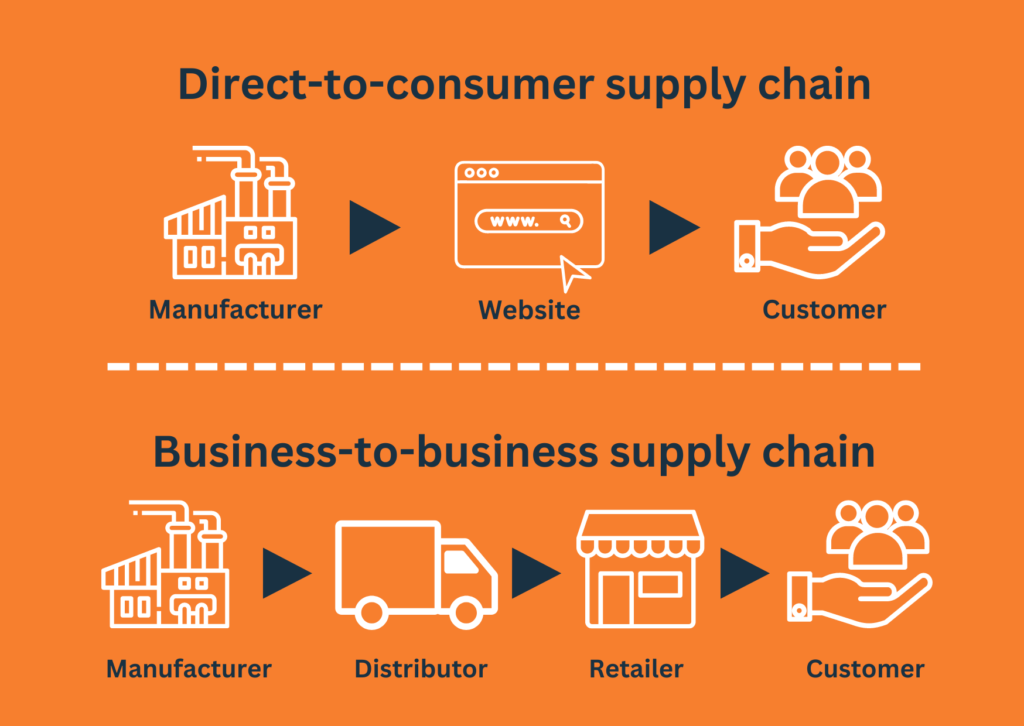
The way businesses sell products has changed dramatically over the past decade. Traditional retail models, where brands relied on wholesalers and third-party stores, are gradually being replaced by a more direct approach. Direct-to-Consumer (D2C) brands are reshaping the e-commerce landscape by selling products straight to customers without intermediaries. This shift has not only transformed how businesses operate but also how consumers shop.
What Are D2C Brands?
D2C brands are companies that manufacture, market, and sell their products directly to customers, usually through their own websites or apps. Instead of depending on retail stores or marketplaces, these brands maintain full control over their sales channels.
Platforms like Shopify have made it easier than ever for businesses to launch and manage their own online stores. This accessibility has contributed significantly to the rapid growth of D2C brands worldwide.
Why Are D2C Brands Growing?
One of the biggest reasons behind the rise of D2C brands is the shift in consumer behavior. Today’s customers prefer convenience, personalized experiences, and direct interaction with brands. Shopping online has become the norm, and consumers are more comfortable purchasing directly from brand websites.
D2C brands also benefit from better profit margins. By eliminating middlemen, businesses can reduce costs and offer competitive pricing while maintaining quality. This allows them to invest more in branding, marketing, and customer experience.
Another factor driving growth is the power of digital marketing. Social media platforms and targeted advertising help D2C brands reach the right audience quickly and effectively.
The Role of Technology
Technology plays a crucial role in the success of D2C brands. E-commerce platforms, analytics tools, and automation software help businesses manage operations efficiently.
Tools like Google Analytics allow brands to understand customer behavior, track website performance, and optimize marketing strategies. This data-driven approach helps businesses make smarter decisions and improve their offerings.
Additionally, AI-powered tools enable personalization, making it easier to recommend products based on customer preferences. This enhances the overall shopping experience and increases customer satisfaction.
Benefits for Consumers
The rise of D2C brands has also brought several advantages for consumers. One of the biggest benefits is better pricing. Since there are no intermediaries, customers often get products at more affordable rates.
D2C brands also focus heavily on customer experience. From user-friendly websites to fast delivery and responsive customer support, these brands aim to build strong relationships with their customers.
Another key advantage is transparency. Many D2C brands share detailed information about their products, including sourcing, manufacturing, and pricing, which builds trust and loyalty.
Challenges Faced by D2C Brands
Despite their growth, D2C brands face certain challenges. One major issue is customer acquisition. With increasing competition, attracting and retaining customers can be expensive.
Logistics and supply chain management are also critical. Ensuring timely delivery and managing returns efficiently can be complex, especially as the business scales.
Additionally, building brand trust takes time. Unlike established retail brands, new D2C businesses must work harder to gain credibility and customer confidence.
The Future of D2C
The future of D2C brands looks promising. As technology continues to evolve and online shopping becomes even more popular, more businesses are likely to adopt this model.
Innovations such as AI-driven personalization, faster delivery options, and improved user experiences will further strengthen the D2C ecosystem. Brands that focus on quality, transparency, and customer satisfaction will continue to thrive.
Conclusion
The rise of D2C brands represents a significant shift in the way businesses connect with consumers. By removing intermediaries, leveraging technology, and focusing on customer experience, these brands are redefining modern commerce.
For entrepreneurs, the D2C model offers an opportunity to build strong, direct relationships with customers. For consumers, it means better prices, improved experiences, and more transparency.
As the e-commerce landscape continues to evolve, D2C brands are set to play a key role in shaping the future of retail.

